Skyland Trail North transitional living Atlanta
Skyland Trail North transitional living in Atlanta offers adults a supported apartment as they take part in outpatient mental health care. The program has 16 to 30 beds and began in 1989. This page covers who it serves and how to ask about cost.
- Joint Commission
- 30+ days
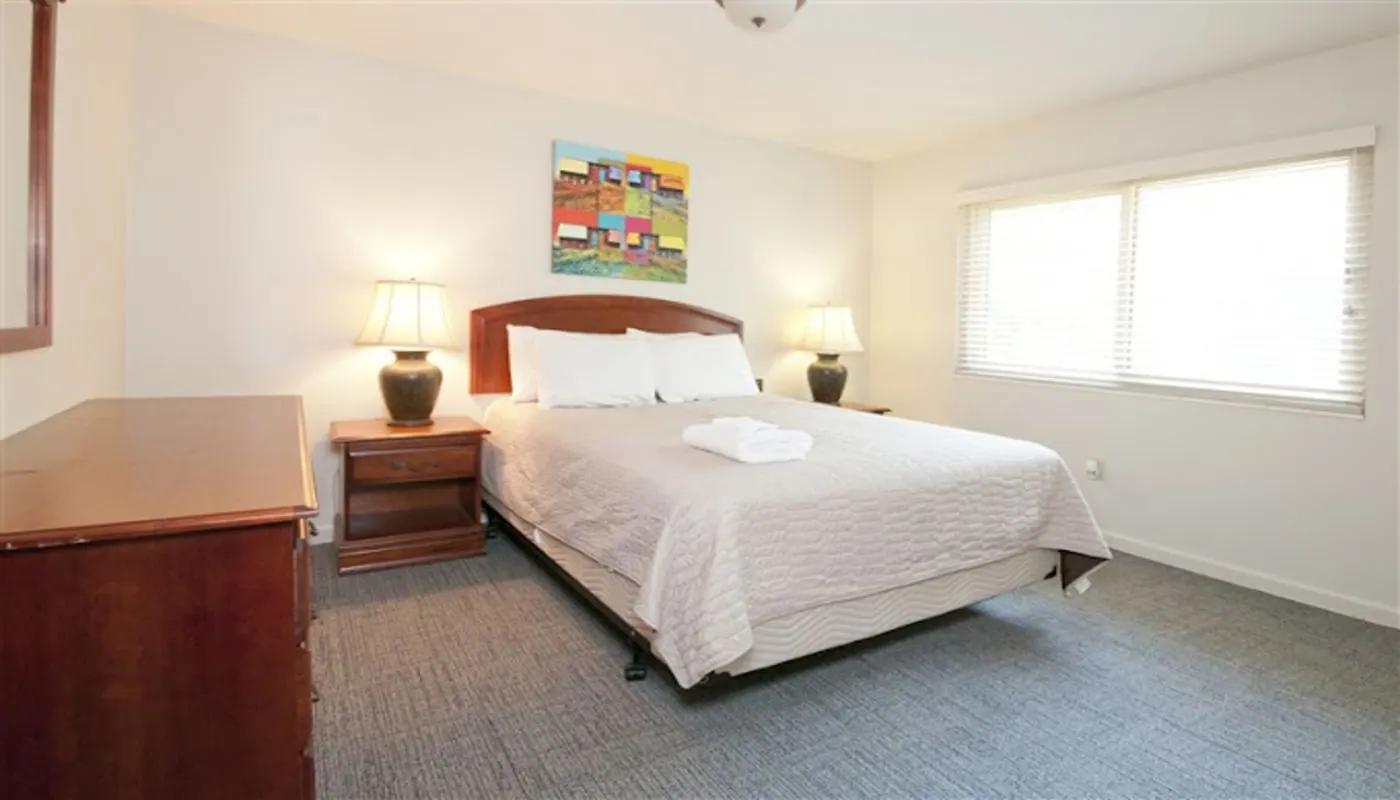
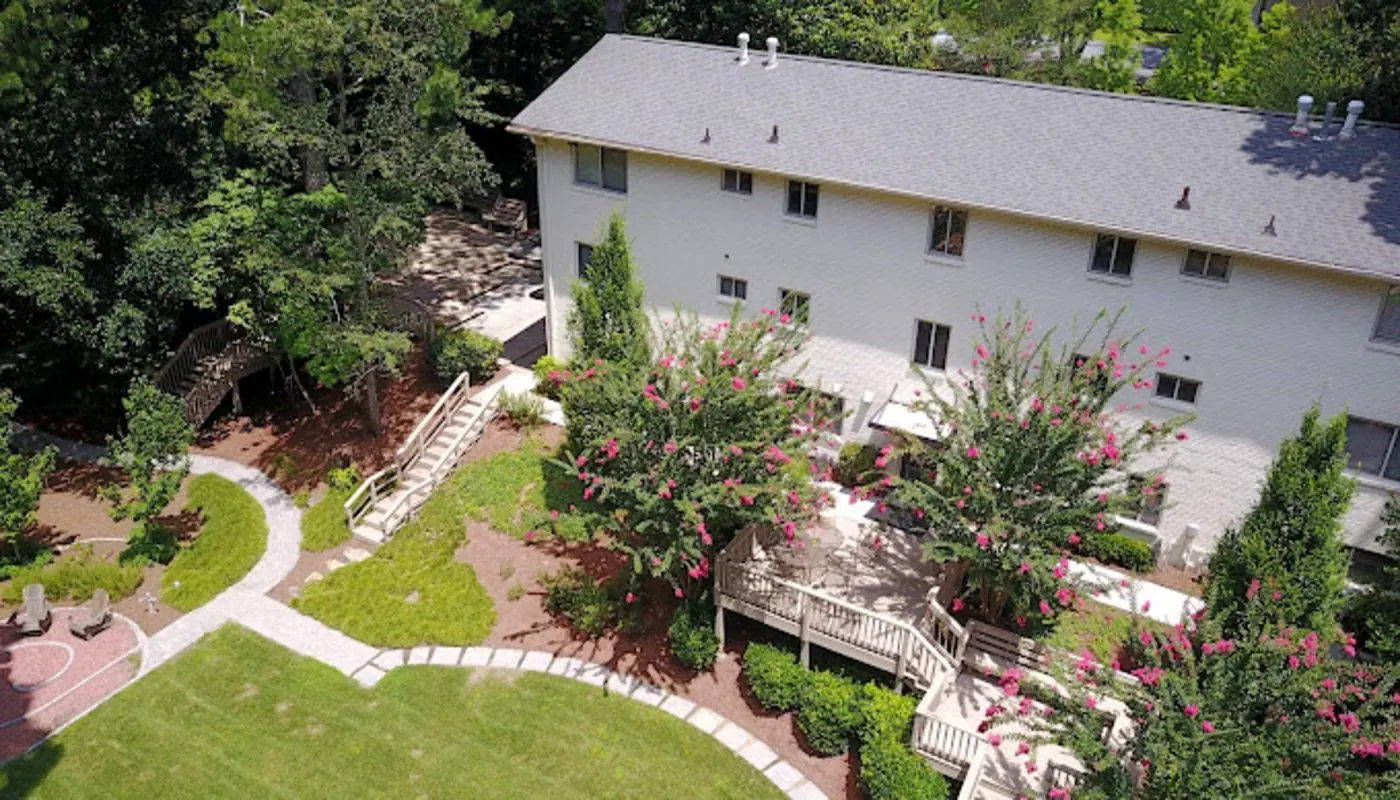
Adults in day treatment or intensive outpatient care at the affiliated center close by can live at Skyland Trail North Transitional Living, which offers a dependable home base during that time. Each apartment has two bedrooms, a living room that residents share, a kitchenette, and a single bathroom shared by the people living there, giving everyday routines some structure while still allowing for privacy.
The program operates under a nonprofit mental health organization active in Atlanta since 1989. It does not treat substance use disorders; people with that history are pointed toward sober housing options instead. Care here is built around talk therapy, medication follow-through and steady practice at ordinary tasks such as budgeting and scheduling.
Residents work weekly with an independence coach. That person watches how adjustment is going, supports medication adherence and helps sort practical concerns like transportation and appointments. There is also a Life Enrichment Adult Program with groups, creative arts, music, fitness and book clubs for those who want more structure in the day.
Programs at this Atlanta center
The clinical side rests on evidence-based treatment delivered individually, and the facility's listing includes one-on-one counseling as the named therapy. Plans are built per person around specific diagnoses and preferences rather than a fixed track, and the transitional apartments run alongside outpatient services rather than replacing them.
While living on site, people in the transitional program remain tied to either day treatment or an intensive outpatient program. Preparation for leaving, continued outpatient care, help with finding work, and support meetings are also part of what someone experiences as they get ready for the next chapter. The organization also offers job-related services and primary care at the Dorothy C. Fuqua Center.
People this program is meant to serve
- Adults receiving day treatment or intensive outpatient care at the affiliated center
- Men and women, including LGBTQ+ adults, in a shared apartment setting
- Individuals dealing with anxiety, bipolar disorder, depression, personality disorders, post traumatic stress disorder or trauma
- Clients who want coaching on medication adherence and independent living skills
- People without a substance use history, since the program does not serve substance use disorders
- Residents who can follow community guidelines and stay engaged in outpatient care
Daily routine, venue and duration
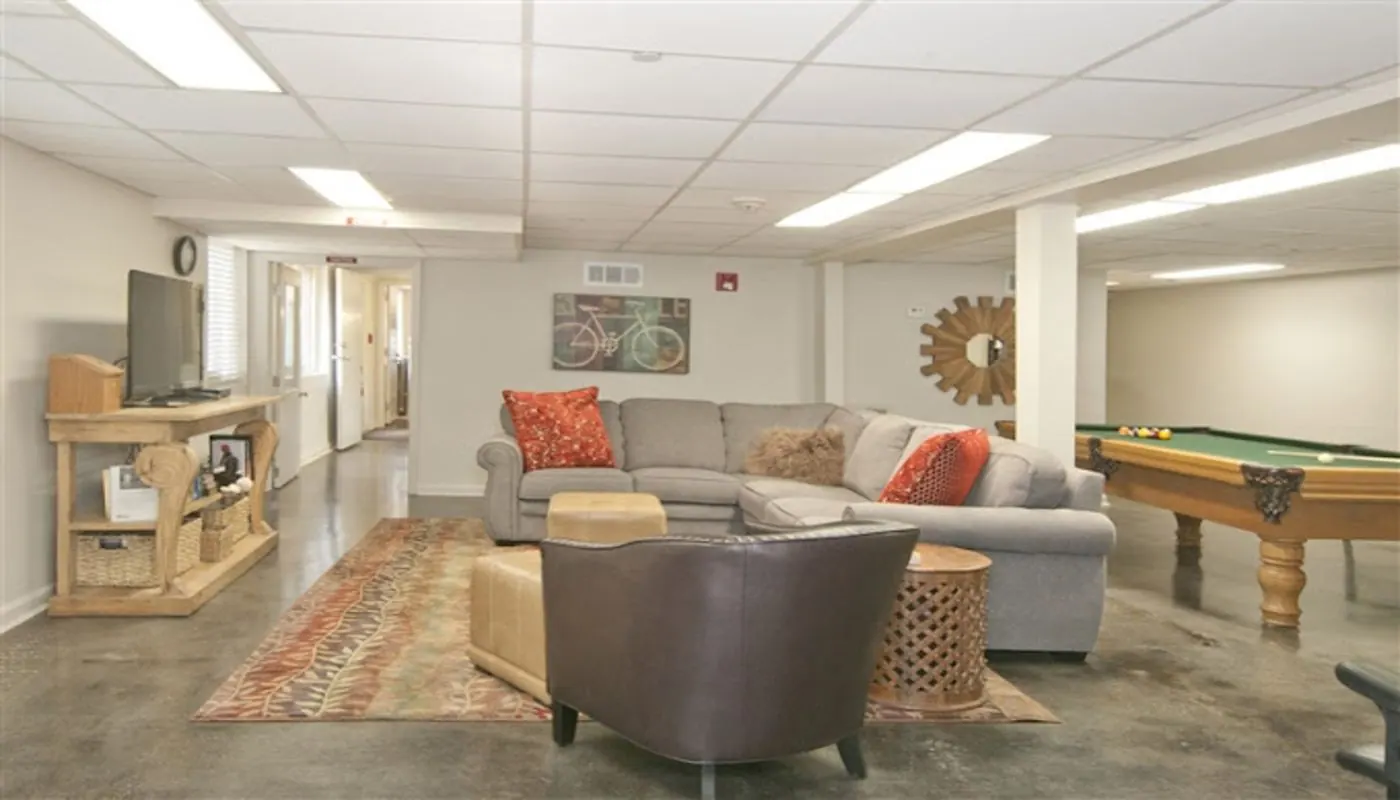
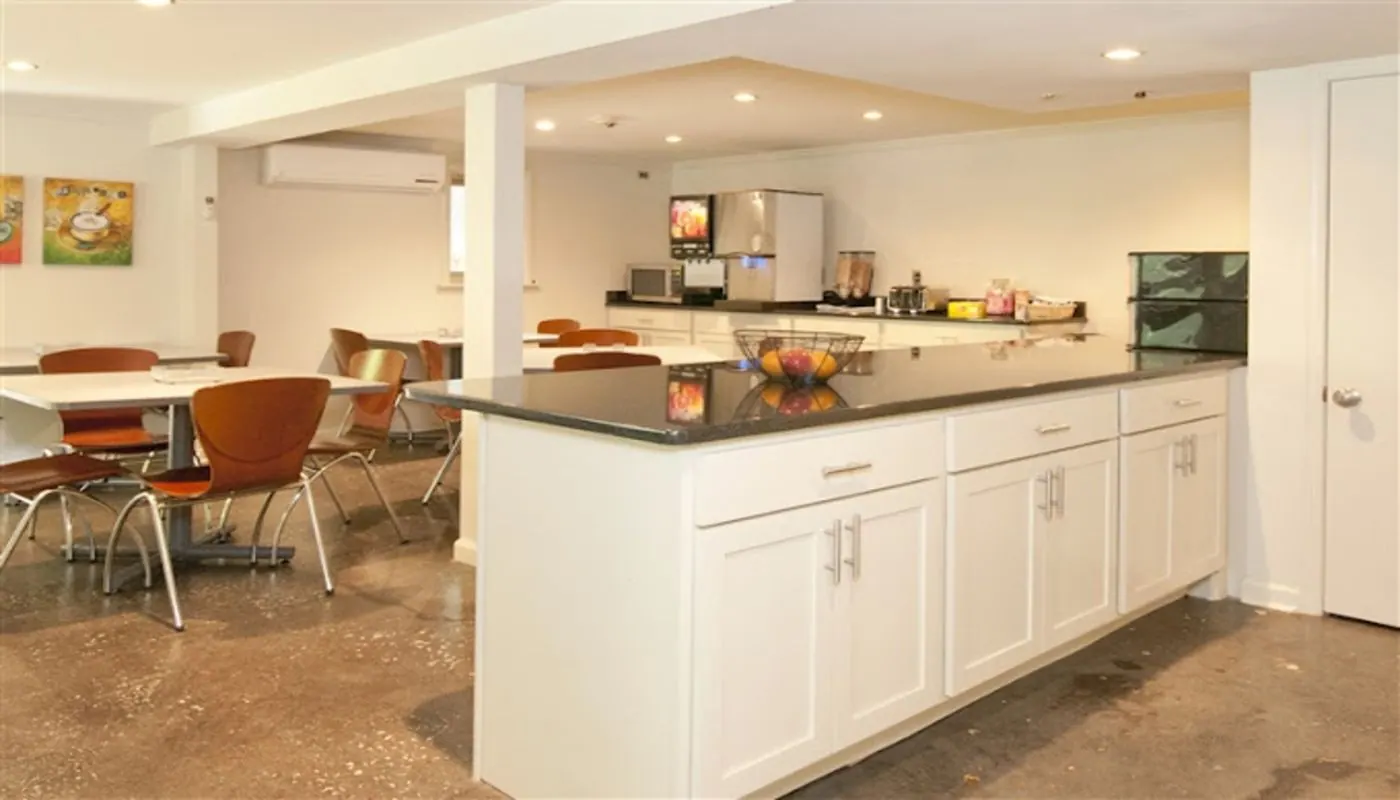
Apartments are two-bedroom units with a shared living room, kitchenette, television and one bathroom shared by two residents, and the buildings sit roughly two miles from the outpatient center. The program holds 16 to 30 beds and most stays run 30 days or longer; a resident may remain up to a year after finishing outpatient treatment if community guidelines are followed. Common areas include a larger community kitchen, gardens, a lounge, outdoor dining and outdoor seating. Services are offered in English, and the listing notes private rooms and shared bathrooms as personal amenities.
- Gardens
- Outdoor Lounge
- Access to Nature
- Outdoor Dining
- Outdoor Space
- Lounge
Paying for this Atlanta program
Self-pay rates are shown in the center's listing. Most major private insurance plans are accepted by the organization, and financial assistance may be available to reduce out-of-pocket costs for eligible families. Because benefits depend on the specific plan and the authorized level of care, call to verify your coverage before making arrangements. If insurance denies a residential stay, ask whether outpatient treatment paired with the transitional apartments could be covered.
Good questions before admission
- Does my plan cover transitional living alongside day treatment or intensive outpatient care, and what will I owe?
- How many weeks of the 30-plus day program does my coverage authorize, and what happens if it ends early?
- What does the weekly independence coaching schedule look like, and who provides it?
- Can you walk me through the application and explain how eligibility for financial assistance is decided?
- What are the community guidelines, and what would cause someone to lose their place in the apartments?

More centers around Atlanta
-
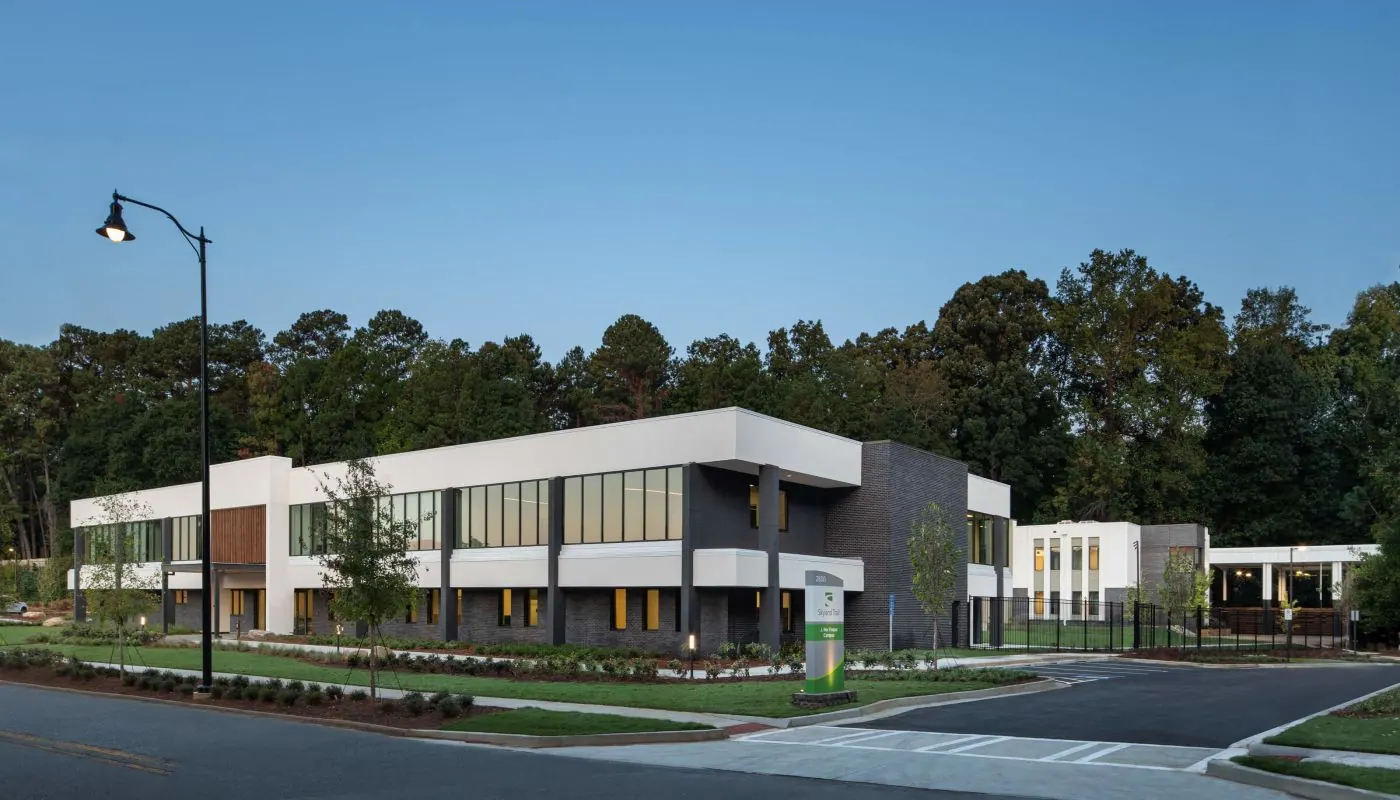
Skyland Trail J. Rex Fuqua Campus
Atlanta, GA30 days · 16-30 beds
- Joint Commission
- Residential Rehab
- Co-Occurring Mental Health
At this Atlanta campus, teenagers between 14 and 17 receive residential care.
View center -

- Joint Commission
- Outpatient
- Co-Occurring Mental Health
Buckhead Behavioral Health Atlanta provides outpatient care for adults with substance use and mental health concerns.
View center -

Revelare Recovery for Women
Atlanta, GA90 days
Revelare Recovery for Women Atlanta is a Georgia rehab built around women only.
View center -

Valor Behavioral Health
Atlanta, GA90 days
- Joint Commission
- Outpatient
Valor Behavioral Health Atlanta is an outpatient center on Druid Hills Drive.
View center -
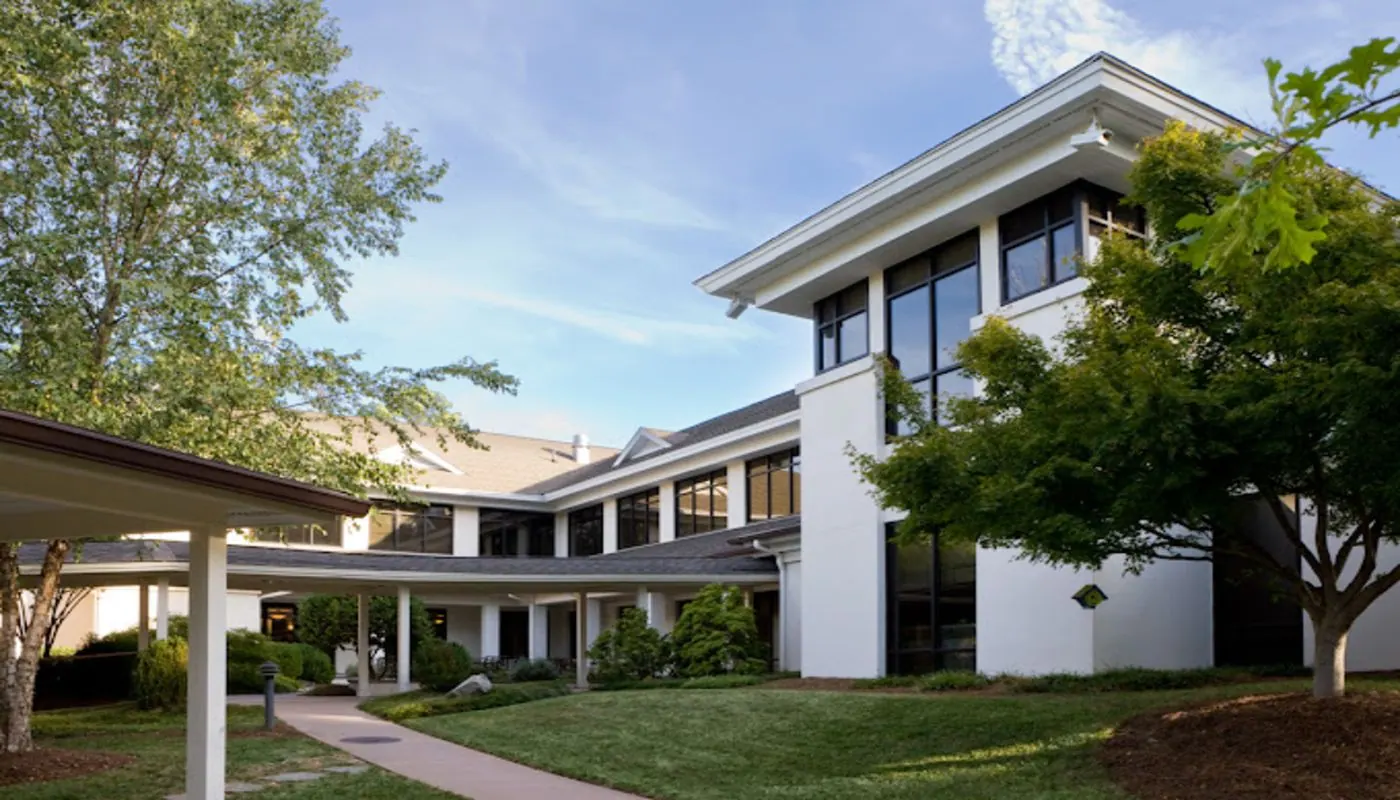
Skyland Trail Charles B. West Campus
Atlanta, GA30 days
-
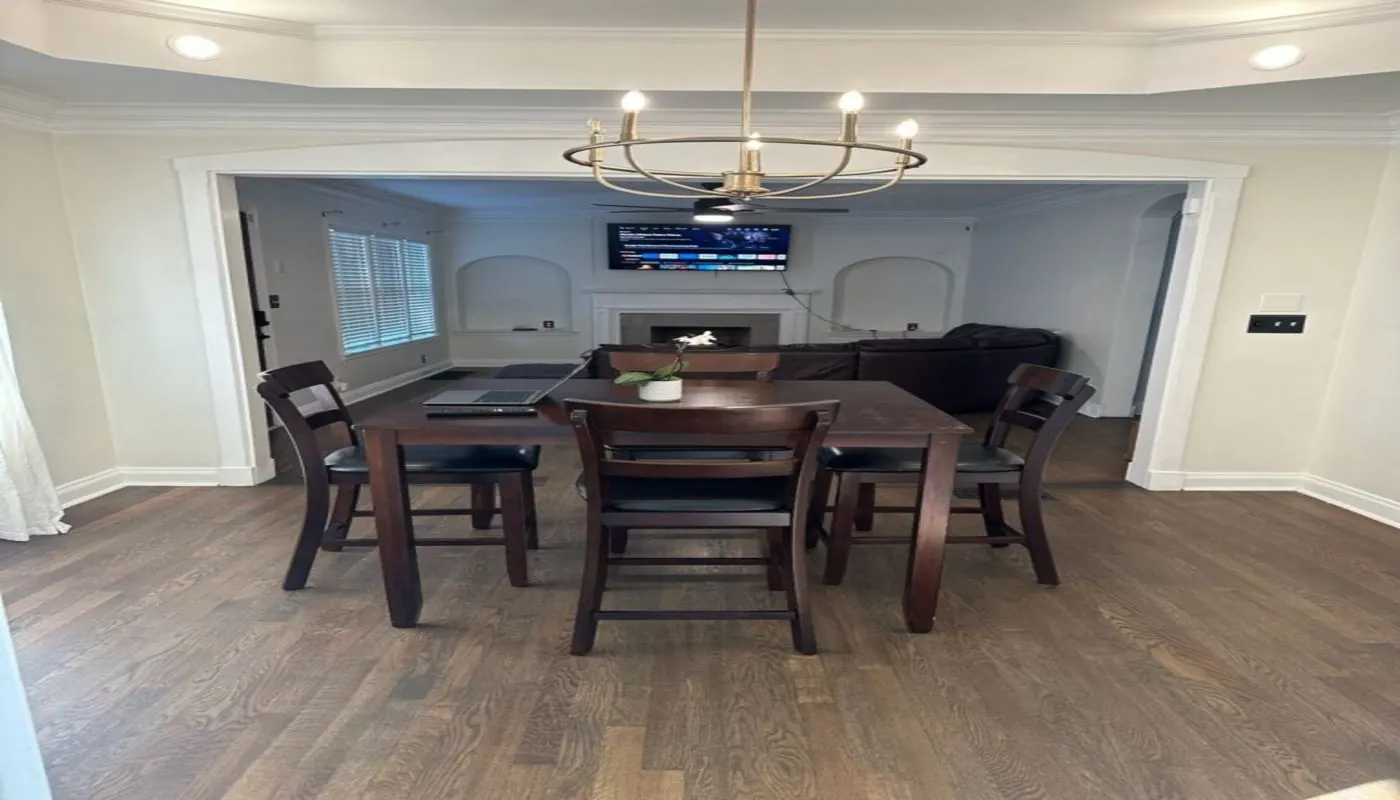
Make A Change Housing
Atlanta, GA30+ days · 6-15 beds


Good to know
What is Skyland Trail North transitional living Atlanta?
It is a supported apartment program in Atlanta with 16 to 30 beds for adults attending day treatment or intensive outpatient care at an affiliated center about two miles away. Residents get weekly independence coaching, a two-bedroom shared apartment and access to groups, gardens and vocational services. The program does not serve people with a substance use history and refers them to sober housing instead.
How long can someone stay at this Atlanta facility?
Most programs run 30 days or longer, and once outpatient treatment is complete a resident may remain up to a year while following community guidelines. That flexibility lets people practice independent living before leaving. Ask how many weeks your insurance will authorize and how the center handles a stay extending past the approved period.
Does Skyland Trail North accept Georgia Medicaid or insurance?
The listing shows cash pay rates, and the organization reports working with most major private insurance plans plus financial assistance for eligible families. Medicaid acceptance is not confirmed in the available facts, so call to check your specific plan and any state coverage before assuming. Confirming benefits by phone avoids surprises later in the process.
Can I get addiction treatment at this center?
No. The program states it does not serve clients with a history of substance use and directs them to sober housing resources. People looking for alcohol rehab, drug rehab or detox in Georgia need a different setting, and Georgia has 264 SAMHSA-listed facilities. A free helpline can help sort which centers in Georgia accept your coverage and match the level of care you need.
Which questions are worth asking before I choose this center?
Ask whether your insurance covers transitional living alongside day treatment or intensive outpatient care, how many weeks are authorized, and what the weekly independence coaching schedule looks like. Also ask how eligibility for financial assistance is decided and what community guidelines apply. Getting clear answers helps you compare this program with other rehab options in Georgia.
See if care is covered in Atlanta
The helpline is free and answers around the clock, so you can ask about openings at Skyland Trail North transitional living Atlanta and whether your insurance plan covers a stay. Those answering your call are trained to connect callers with licensed treatment providers; calling costs nothing and remains private. Have your insurance card handy so they can help you confirm what a stay might involve, and if this program does not fit, ask about other Georgia options.