Skyland Trail J. Rex Fuqua Campus Atlanta
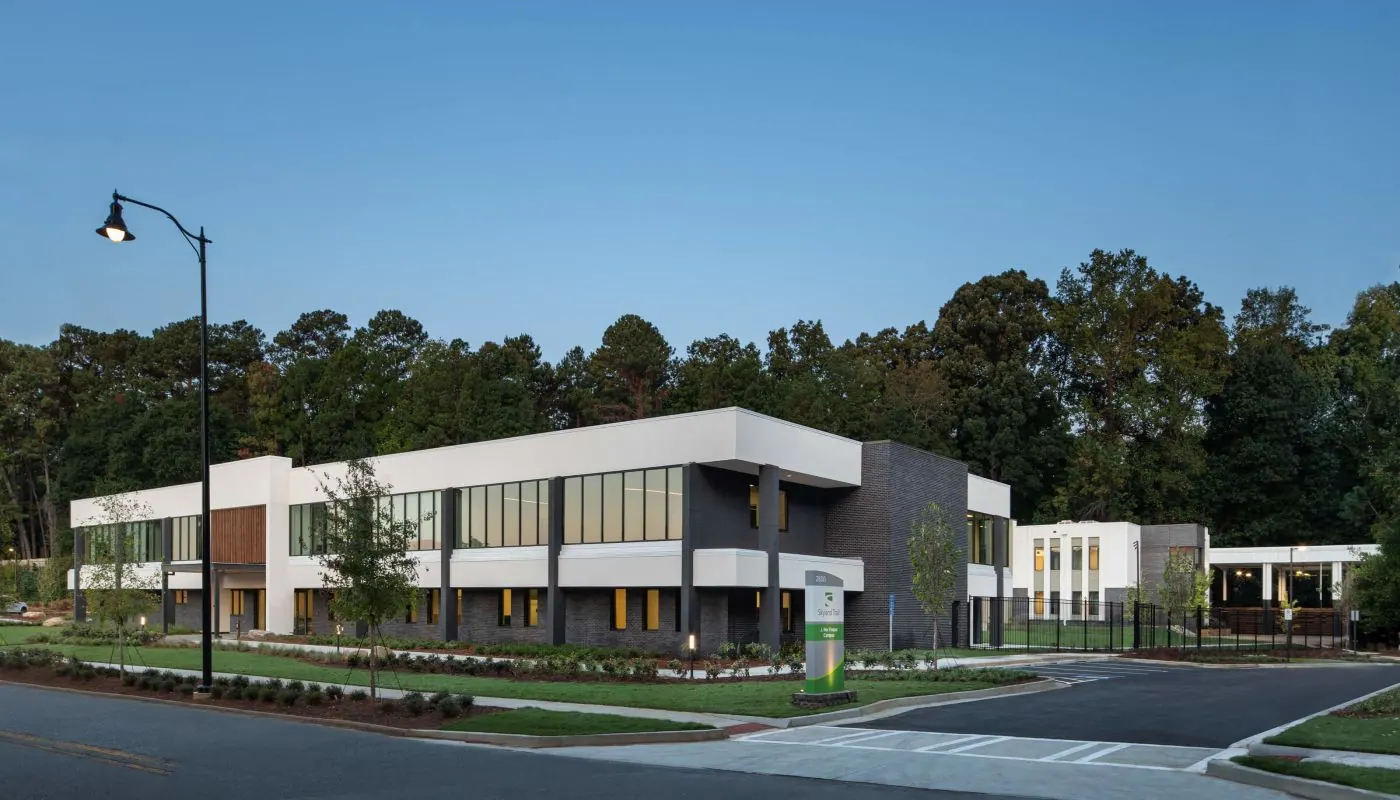
At this Atlanta campus, teenagers between 14 and 17 receive residential care. SAMHSA FindTreatment.gov lists it among the 264 facilities in Georgia. The site is roughly 13 miles northeast of the city center, within reach of families throughout the metro.
- Joint Commission
- Residential Rehab
- Co-Occurring Mental Health
- 30 days

Adolescents from 14 to 17 years old, including those who also struggle with substance use, can receive residential mental health care at the Atlanta campus of Skyland Trail. It operates under a nonprofit behavioral health organization and holds Joint Commission accreditation dating back to 1989. Planning is personal: evidence-based approaches are shaped around what each teenager requires, and the whole-person model gives attention to school, family life, and everyday functioning as well as clinical symptoms.
Sitting roughly 13 miles northeast of downtown, the campus is convenient for families spread across the metro. Teens are supported day and night by a multidisciplinary team that includes psychiatrists, therapists, nurses, and residential counselors. Parents weighing residential rehab options in Georgia frequently appreciate the predictable routine and private rooms available at this Atlanta center, and the program focuses on usable skills for handling stress, preventing relapse, and managing emotions.
Programs at this Atlanta rehab center
Thirty days is a common length for residential rehab at the J. Rex Fuqua Campus, though the FACTS show stays extending from 8 to 12 weeks when clinical needs call for it. Each week, adolescents in residential rehab at this Atlanta center take part in individual, group, and family therapy, with cognitive behavioral therapy and dialectical behavioral therapy as the core methods. Art therapy, life skills work, trauma-specific therapy, and psychoeducation round out the schedule.
The center also offers academic help so teens do not fall behind in school, whether through the school they already attend or a digital learning platform, with roughly 2.5 hours of academics each day. Fitness, games, and creative activities fill part of the weekly routine. If a teen needs a step-down level of care, then the program can transition them to day treatment after residential care. Aftercare planning includes continuing care, discharge planning, and outpatient referrals, and family involvement stays central from start to finish.
- Art Therapy
- Trauma Informed
- Psychoeducation
- 1-on-1 Counseling
- Family Therapy
- Evidence-Based
- Individual Treatment
- Trauma-Specific Therapy
- Cognitive Behavioral Therapy
- Family Involvement
Who this adolescent program is for
- Young people between 14 and 17 years old who require residential care for mental health conditions alongside co-occurring substance use.
- Teens experiencing anxiety, depression, bipolar disorder, personality disorders, post-traumatic stress disorder, self-harm, trauma, or anger issues.
- Young people struggling with alcohol, marijuana, or other drug use alongside a mental health diagnosis.
- Families seeking a program that involves them in treatment and provides education and support for caregivers.
Setting and length of stay in Atlanta
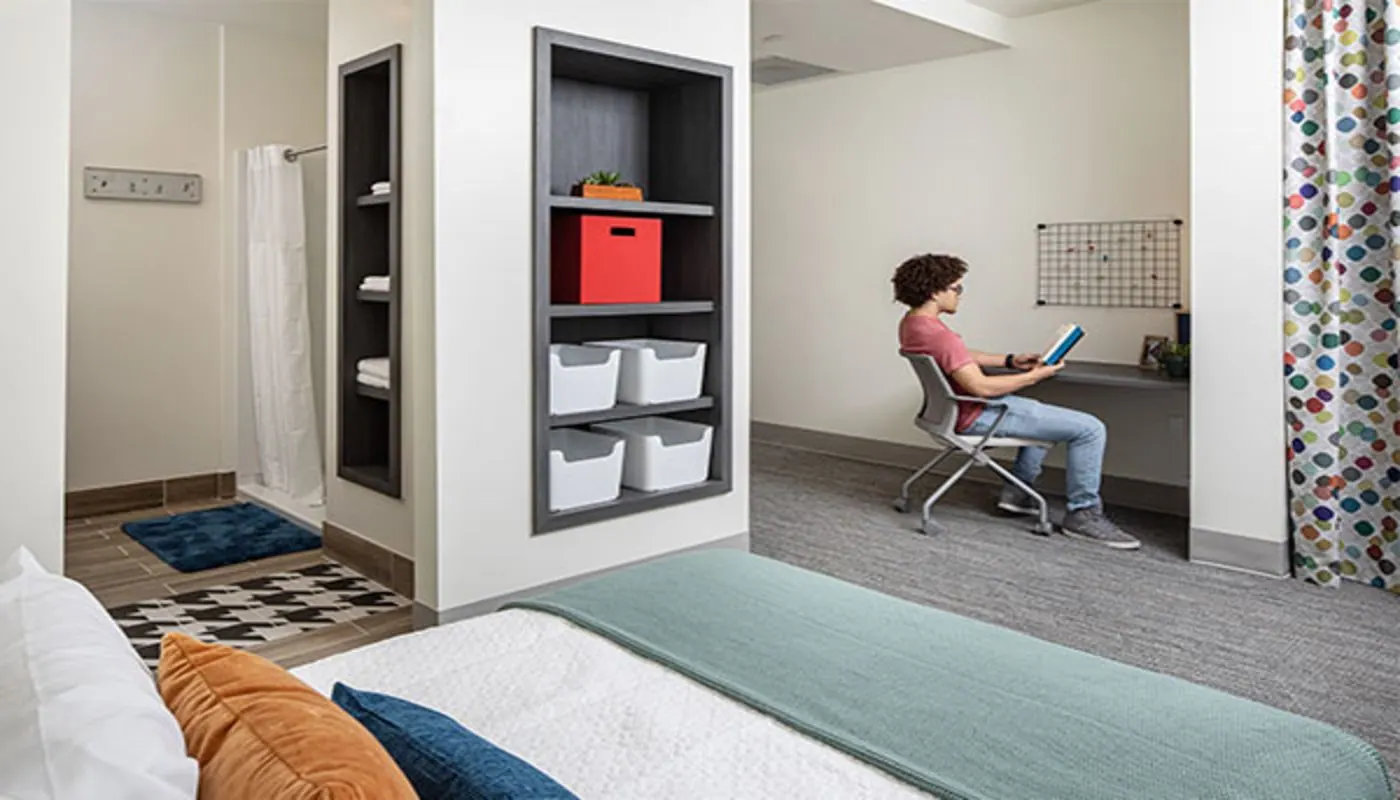
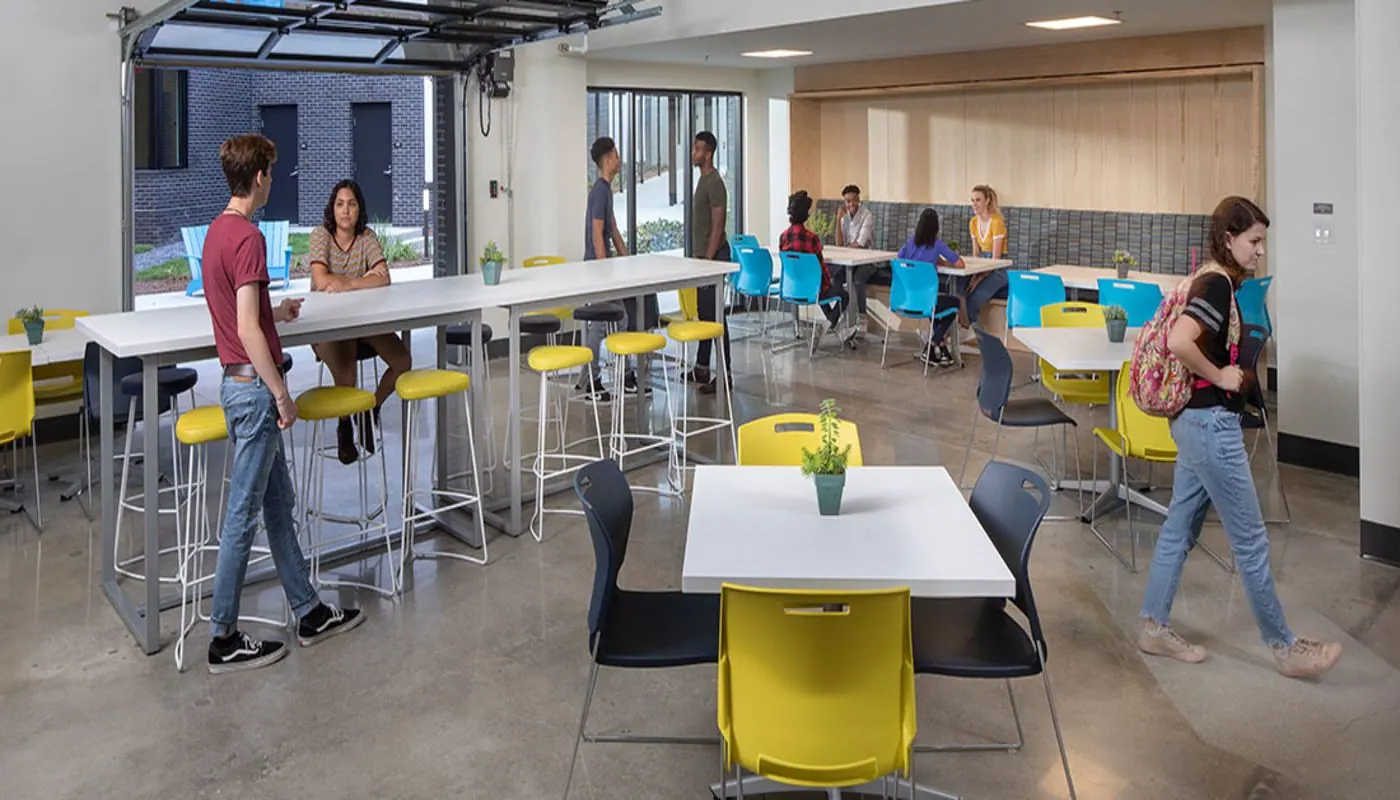
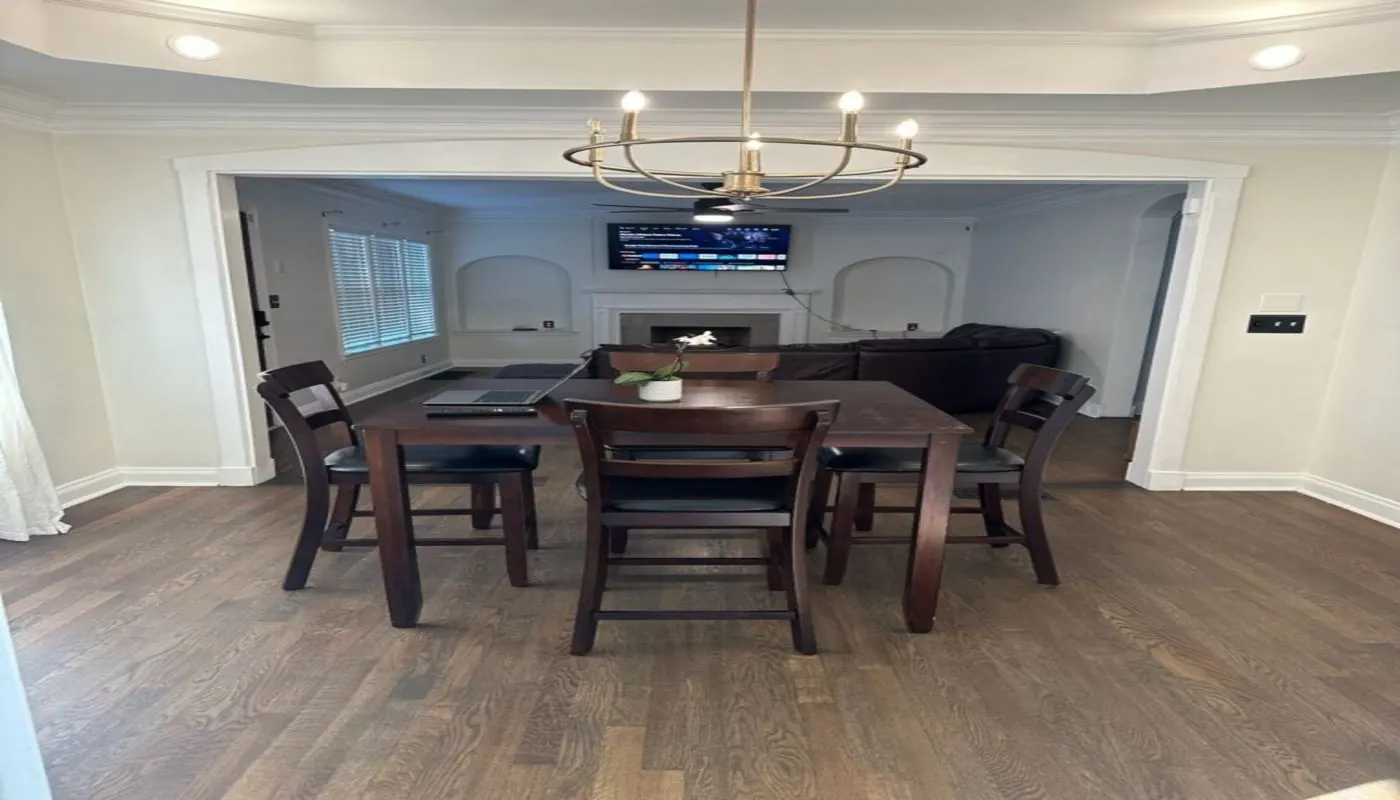
The campus houses 16-30 residents in a residential setting. Bedrooms are private and come with en suite bathrooms, and shared areas are arranged for comfort. Enrolling in this Atlanta residential rehab gives a teenager access to gardens, outdoor lounges, a fitness center, and quiet sitting rooms suited to both rest and activity. Thirty days is a typical stay; residential care may run from 8 to 12 weeks, often followed by a step into day treatment lasting about 4 to 6 weeks. Joint Commission accreditation has been in place since 1989, and all services are offered in English.
- Fitness Center
- Access to Nature
- Gardens
- Lounge
- Outdoor Space
- Outdoor Lounge
Paying for rehab at this center
The center works with many large private insurers and provides financial help for families who meet its criteria, which can reduce what they pay themselves. Rates for those paying out of pocket are also offered. Since coverage differs from one plan to another, families should confirm benefits straight with the center before admission, and the helpline can help you understand what your plan may include. Advisors who answer the line are trained, and they link callers with licensed treatment providers. There is no charge for the call and no requirement placed on you.
Questions to ask this rehab center
- What is a normal length of stay, and how do you plan for discharge?
- How does the program involve families in treatment, and what support is available for caregivers?
- What academic support is provided, and how are school credits managed?
- What insurance plans are accepted, and what financial assistance options exist?
- How does the center treat addiction and mental health conditions that co occur?

More centers around Atlanta
-
- Joint Commission
- Outpatient
- Co-Occurring Mental Health
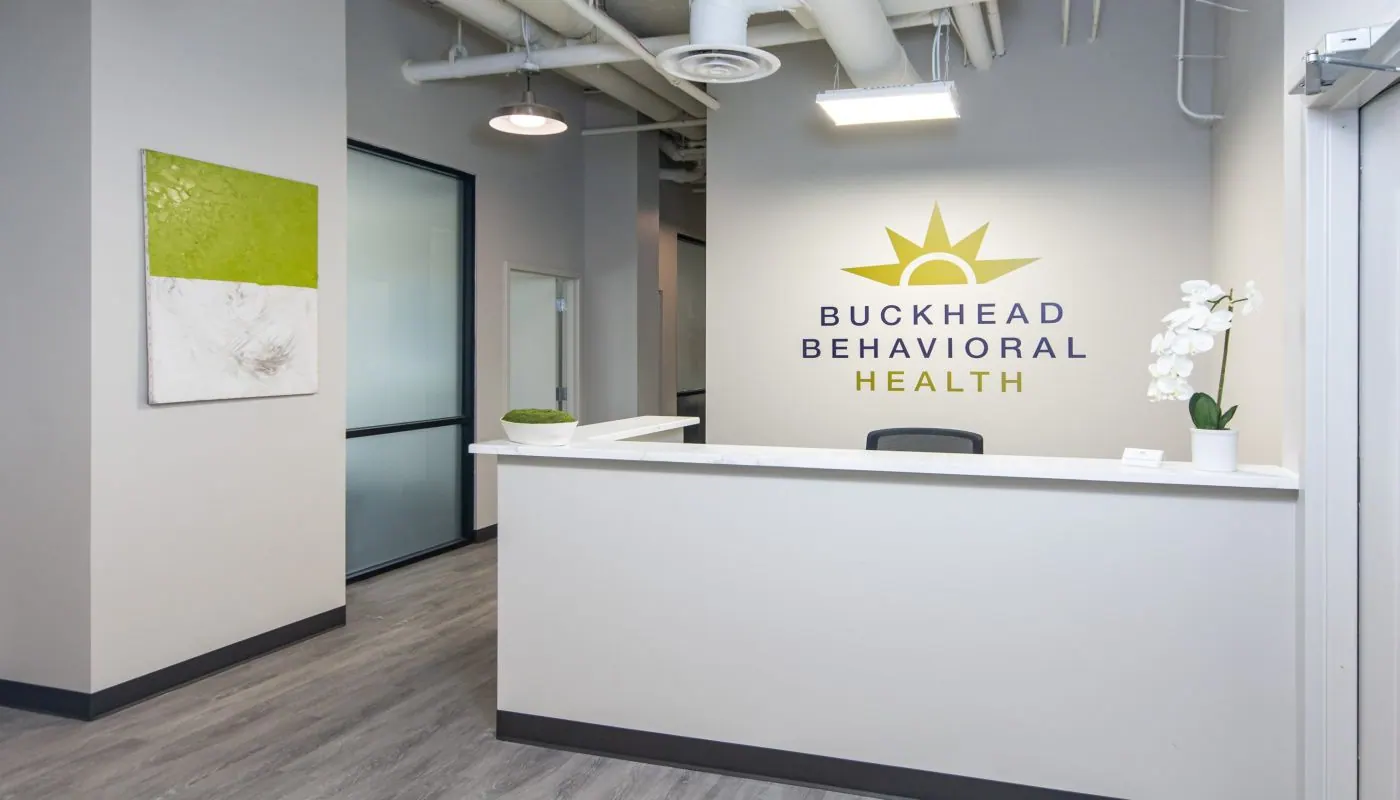
Buckhead Behavioral Health Atlanta provides outpatient care for adults with substance use and mental health concerns.
View center -
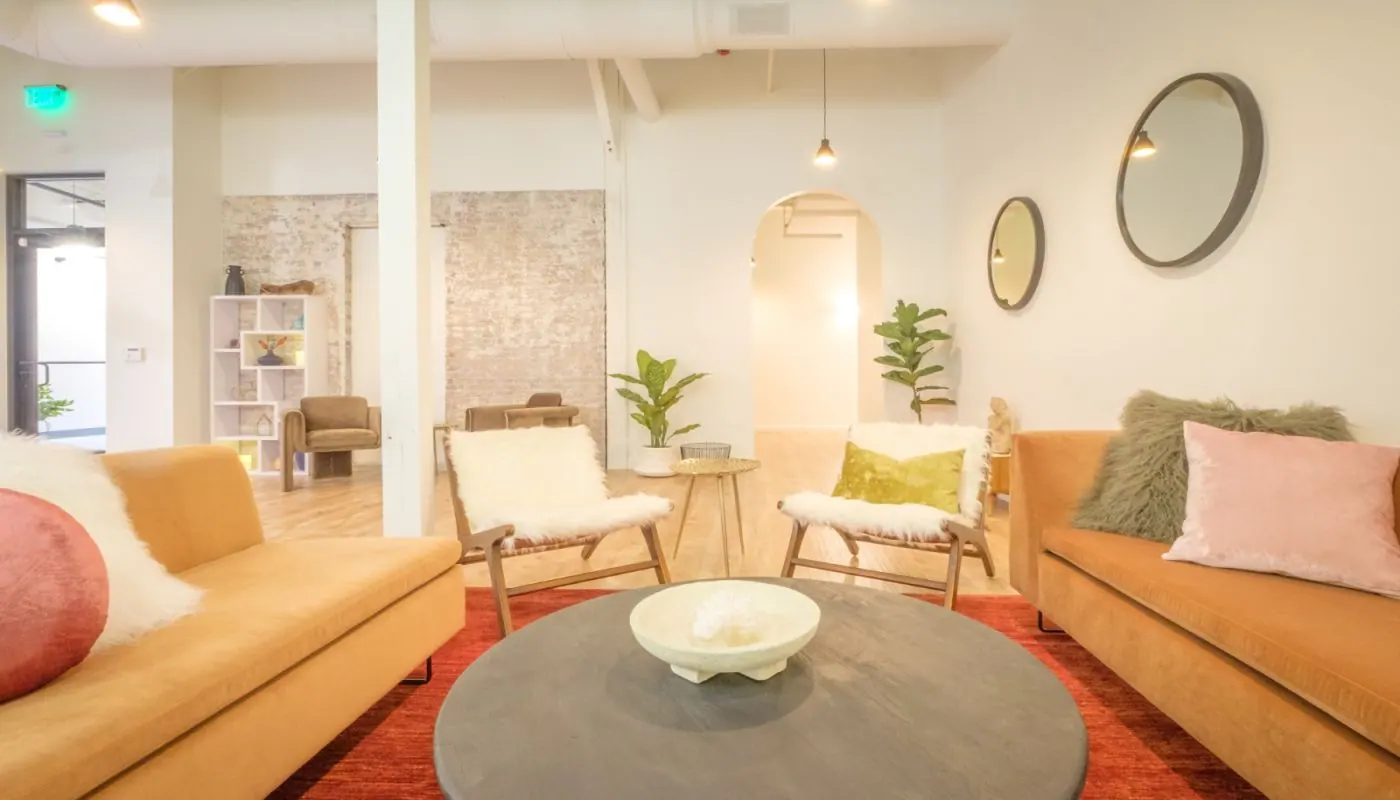
Revelare Recovery for Women
Atlanta, GA90 days
Revelare Recovery for Women Atlanta is a Georgia rehab built around women only.
View center -
Valor Behavioral Health
Atlanta, GA90 days
- Joint Commission
- Outpatient
Valor Behavioral Health Atlanta is an outpatient center on Druid Hills Drive.
View center -
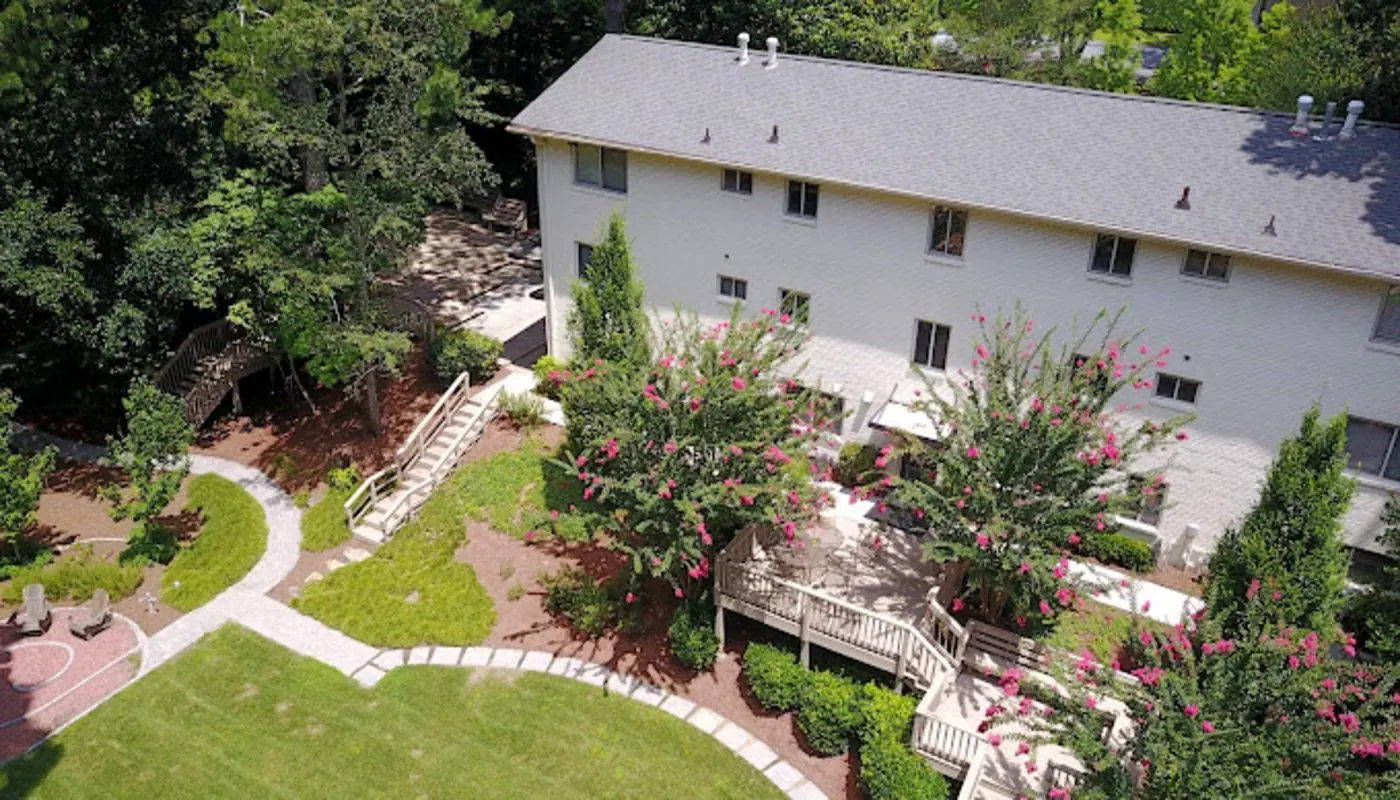
Skyland Trail North Transitional
Atlanta, GA30+ days · 16-30 beds
- Joint Commission
Skyland Trail North transitional living in Atlanta offers adults a supported apartment as they take part in outpatient mental health care.
View center -
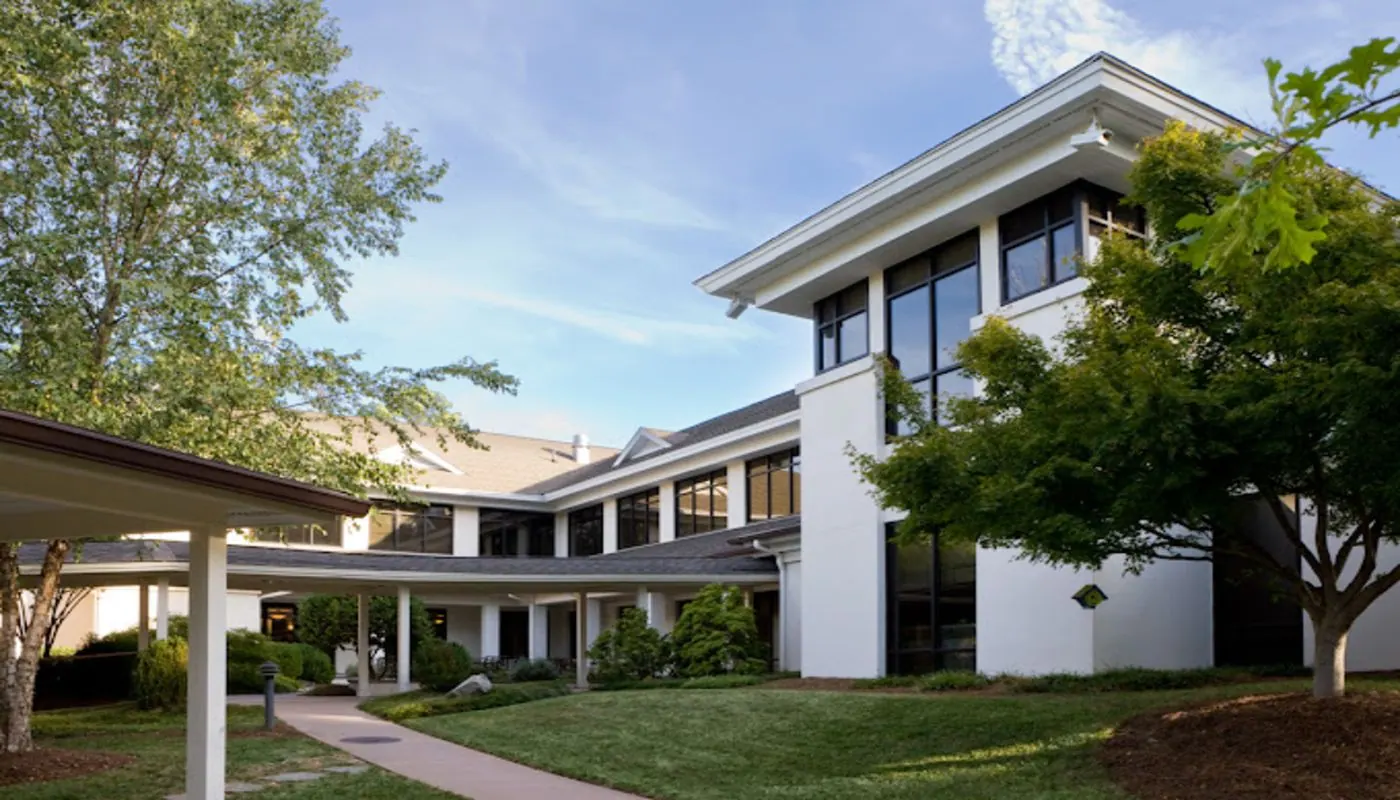
Skyland Trail Charles B. West Campus
Atlanta, GA30 days
-
Make A Change Housing
Atlanta, GA30+ days · 6-15 beds


Good to know
How long do people usually stay at Skyland Trail J. Rex Fuqua Campus Atlanta?
Thirty days is the typical span of residential care at the J. Rex Fuqua Campus, with the FACTS noting that individual stays may span 8 to 12 weeks according to what each teenager needs. Day treatment, usually about 4 to 6 weeks, often follows the residential phase. The structure offers intensive support while easing a gradual return to everyday life.
Does Skyland Trail J. Rex Fuqua Campus accept Georgia Medicaid?
Skyland Trail J. Rex Fuqua Campus accepts many major private insurance plans, and financial assistance is available to eligible families. Medicaid does not show up among the payment options in the center's public information, so families should confirm coverage directly with the center. The helpline can help you figure out whether your plan is accepted and what assistance you might qualify for.
What ages does this Atlanta rehab center serve?
The J. Rex Fuqua Campus works with adolescents 14 to 17 years old. It is one of 264 SAMHSA-listed facilities in Georgia and treats only teens, including those with mental health conditions and simultaneous substance use. Academic support and family involvement are built around this age group.
Is the J. Rex Fuqua Campus of Skyland Trail accredited?
Yes. The Joint Commission accredits the center, which signals that the facility meets specific standards for quality and safety. When families call, they can ask about the details of that accreditation and what it means for their teen's care. The helpline can also help you look at accredited programs across Georgia.
What if my teen needs both behavioral health and addiction care?
Mental health and substance use conditions that happen together are addressed as a single focus within the program. Adolescents get therapy addressing both, including dialectical behavior therapy and cognitive behavioral therapy, plus substance use education when appropriate. If your teen has a dual diagnosis, then ask the center how both are woven into the treatment plan during intake.
J. Rex Fuqua Campus of Skyland Trail
If you are thinking about Skyland Trail J. Rex Fuqua Campus for a teen you care about, start by calling the helpline. Advisors are there 24/7 to answer program questions, check availability, and help you make sense of insurance coverage. The call is free and private, and it commits you to nothing. They can also connect you with other rehab centers in Georgia if this campus is not the right match.