outpatient rehab Georgia
Outpatient rehab lets someone live at home while attending treatment. In Georgia, 225 outpatient rehab facilities are listed by SAMHSA. This guide helps you compare programs and payments without pressure.
- programs in Georgia
- 225
- take Medicaid
- 166
- take private insurance
- 162
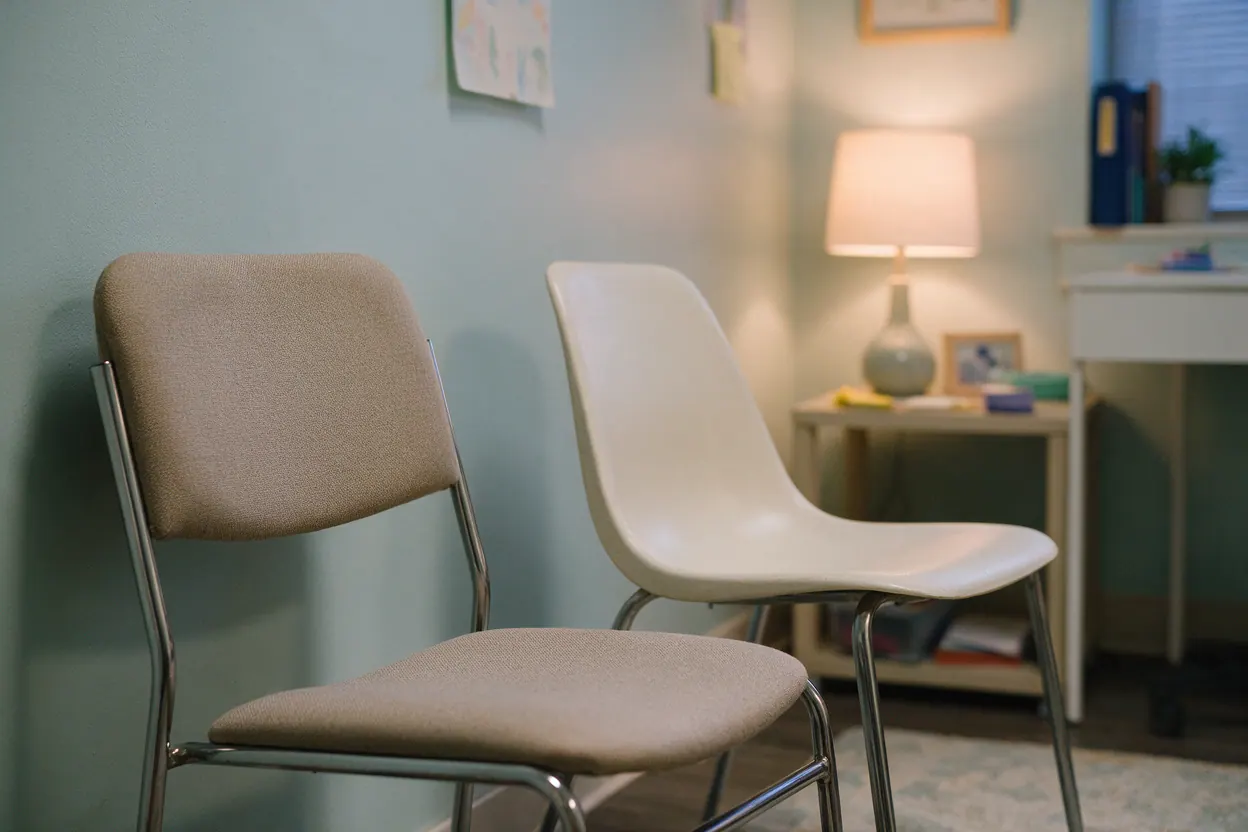
Outpatient rehab means treatment you go to during the day or evening and then head home. It usually involves individual therapy, group counseling, and at times medication for opioid use disorder. SAMHSA lists 225 outpatient rehab programs in Georgia, so choices exist from Atlanta to smaller towns. A typical day might include a counseling session, a group meeting, and a check-in with a case manager. Many programs offer evening hours or telehealth visits, which can make attendance easier for people with jobs or caregiving duties. Georgia rehab centers list 225 outpatient programs, and 189 of them offer telehealth visits for people who live far from a clinic. If you are helping a loved one, ask how often they will attend and what happens if they miss a session. Good programs explain their schedule and how they handle setbacks. For people with a dual diagnosis, 146 outpatient facilities in Georgia offer combined behavioral health and addiction care.
Each level of care carries a different amount of structure. Standard outpatient often means a session or two each week. Intensive outpatient, or IOP, is more demanding, commonly three to five days per week for several hours at a stretch. In Georgia, 99 facilities offer IOP, and 189 outpatient programs offer telehealth. When weekly counseling is not enough structure for your family member, a Georgia IOP program may suit them better than standard outpatient care. If the right level is unclear, the helpline can walk you through the differences. Reputable programs will spell out their schedule and how they respond to setbacks. For people with a dual diagnosis, 146 Georgia outpatient facilities treat mental health and substance use together, so both can be addressed at once.
Paying for outpatient rehab in Georgia
Outpatient rehab can be covered by Medicaid, private insurance, Medicare, or your own money. In Georgia, 166 outpatient facilities take Medicaid, 162 take private insurance, and 137 take Medicare. If you are uninsured ask about sliding-fee scales; 71 facilities offer them. Georgia Medicaid covers outpatient rehab at 166 facilities, but the state declined expansion, so eligibility is stricter than in expansion states. Under federal parity law, most plans have to cover behavioral health and addiction care much as they cover medical care. If you have Medicaid, keep in mind that Georgia did not expand Medicaid under the Affordable Care Act, so qualifying may be harder. Call the helpline for free help understanding what is available. If your plan denies coverage, request the denial in writing and call the helpline, since the federal parity law may support an appeal.

Who outpatient rehab in Georgia fits
- People who have completed detox and need ongoing counseling while living at home.
- Those with a stable home environment and reliable transportation to attend sessions.
- People who want to continue working or caring for family while in treatment.
- People with mild to moderate withdrawal symptoms who do not need 24-hour medical supervision.
What outpatient rehab looks like
Intake and assessment
You meet with a counselor and talk through your substance use, your medical background, and what you hope to achieve. That conversation guides the choice of the right level of care, and it generally lasts around an hour. When you are calling on behalf of a family member, ask if you may join the intake, so you can describe what you have observed.
Treatment planning
Together with your counselor, you set goals and choose a schedule. The plan may include individual therapy, group sessions, and medication if needed. You can ask for a copy of the plan.
Regular sessions
Most people attend one to three sessions a week, depending on their needs. Sessions may be in person or by telehealth. You will learn coping skills and relapse prevention strategies.
Progress reviews
Your counselor will check in regularly to see how things are going. If you need more support, they may recommend a higher level of care like IOP or residential treatment. When progress stalls, then a higher level of care such as IOP or residential rehab may be the next step, and a good program will explain why.


Outpatient rehab options across Georgia
Georgia has 225 outpatient rehab facilities listed by SAMHSA, making it the most common level of care in the state. These programs are spread across the state, with a concentration in the Atlanta area and other cities. If you are comparing rehab centers in Georgia, then check payment first: 166 accept Medicaid, 162 accept private insurance, and 137 accept Medicare. If you are paying out of pocket, 71 facilities offer a sliding fee scale. Spanish-language services are available at 38 outpatient programs. With so many choices, you can look for a program that fits your location and budget. For families in Atlanta and across Georgia, 38 outpatient programs offer Spanish-language services, which can matter when a parent or spouse is more comfortable in Spanish.
When comparing outpatient programs, ask about their availability and wait times. Some facilities may offer same-week appointments, while others may have a waiting list. If you need to start quickly, mention that when you call. Also ask whether they provide medication-assisted treatment (MAT) on-site or through a partner. In Georgia, 143 facilities offer medication for opioid use disorder, though not all are outpatient. **If your loved one is recovering from opioid use, then ask whether the outpatient program offers Suboxone or methadone through a partner clinic, since 143 facilities in Georgia provide medication for opioid use disorder.** Checking these details can help you avoid delays.
- take Medicaid
- 166
- take private insurance
- 162
- take Medicare
- 137
- use a sliding fee
- 71
| Center | Location | Levels of care | Takes |
|---|---|---|---|
| View Point Health | Covington | Outpatient | Medicaid, Medicare, Sliding fee |
| Avita Community Partners | Cumming | Outpatient | Medicaid, Medicare, Insurance, Sliding fee |
| Live Life Counseling LLC | Cumming | IOP, Outpatient | Medicaid, Insurance, Sliding fee |
| New Focus Addiction and | Cumming | Outpatient | Medicaid, Medicare, Insurance |
| Georgia HOPE | Dalton | Outpatient | Medicaid |
| Family Counseling Service of Athens | Athens | Outpatient | Medicaid, Medicare, Insurance |
| WestCare Georgia | Atlanta | Outpatient | — |
| BHG Tifton Treatment Center | Tifton | IOP, Outpatient, OTP | Medicaid, Medicare, Insurance |
| Acworth Outpatient Detox | Acworth | Detox, Residential, Outpatient | Medicaid, Insurance |
| Torn Counseling and Recovery Center | Acworth | PHP, IOP, Outpatient | Insurance |
Good to know
How many outpatient rehab facilities are in Georgia?
There are 225 outpatient rehab facilities listed by SAMHSA in Georgia. This makes outpatient the most common level of care in the state. Among them, 146 offer dual diagnosis treatment and 189 provide telehealth services. You can filter by location and services when searching.
Does Georgia Medicaid pay for outpatient rehab?
Yes, 166 outpatient rehab facilities in Georgia take Medicaid. Still, Georgia has not expanded Medicaid, so eligibility is confined to certain low-income groups. It's best to call the facility directly to confirm your coverage before booking an appointment.
How does outpatient rehab differ from IOP?
Outpatient rehab typically involves fewer sessions per week, while intensive outpatient programs (IOP) offer more structured care, often three to five days a week. In Georgia, 99 facilities offer IOP. Both allow you to live at home, but IOP provides more hours of treatment per week.
Can I get outpatient rehab for alcohol in Georgia?
Yes, outpatient rehab for alcohol is offered at many facilities in Georgia. If withdrawal worries you, having a clinician oversee it matters because alcohol withdrawal can be dangerous. Your doctor can say whether you need medical detox before beginning outpatient care.
Does outpatient rehab in Georgia accept private insurance?
Indeed, 162 Georgia outpatient rehab facilities take private insurance. Additionally, 137 accept Medicare, while 71 provide sliding fee scales for those paying out of pocket. Federal parity law might obligate your plan to cover treatment, but confirming with your insurer is best.
What should I look for in an outpatient rehab program?
Look for a program that offers services that match your needs, such as dual diagnosis care (available at 146 facilities) or telehealth (189 facilities). Also check payment options and location. It is a good idea to ask about the schedule and what happens if you miss a session.
Find outpatient rehab in Georgia
As you look for outpatient rehab in Georgia, our free helpline is open 24/7 and can help clarify your choices. Advisors explain levels of care, what to do and payment options expect. Calls stay private and commit you to nothing. You can also ask about specific facilities and whether they have openings. Call today to move forward.