Make a Change Housing Atlanta
Make a Change Housing in is a sober living home for men Atlanta, Georgia. The house has 6 to 15 beds, and typical stays run 30+ days. The program rests on structure, shared chores and peer support.
- Sober Living
- 30+ days
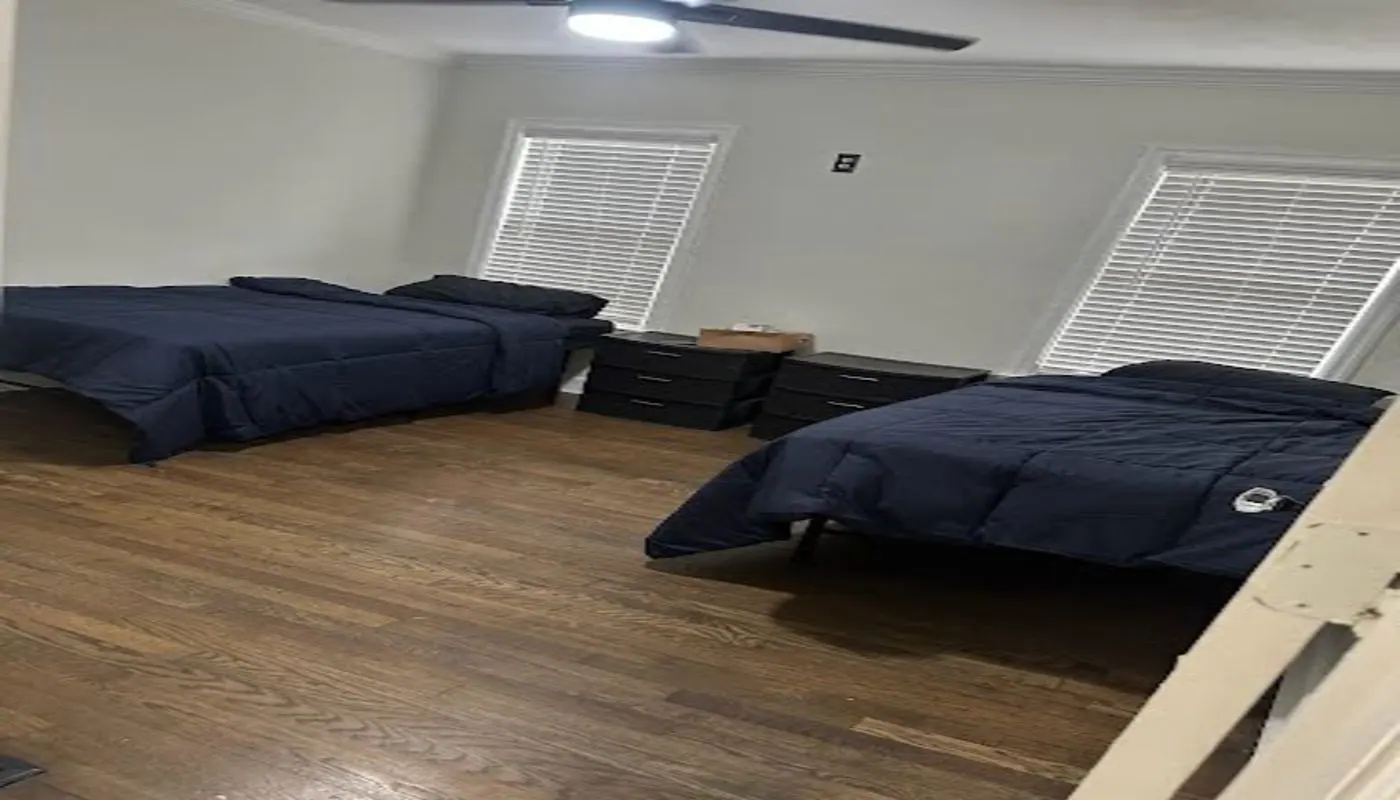
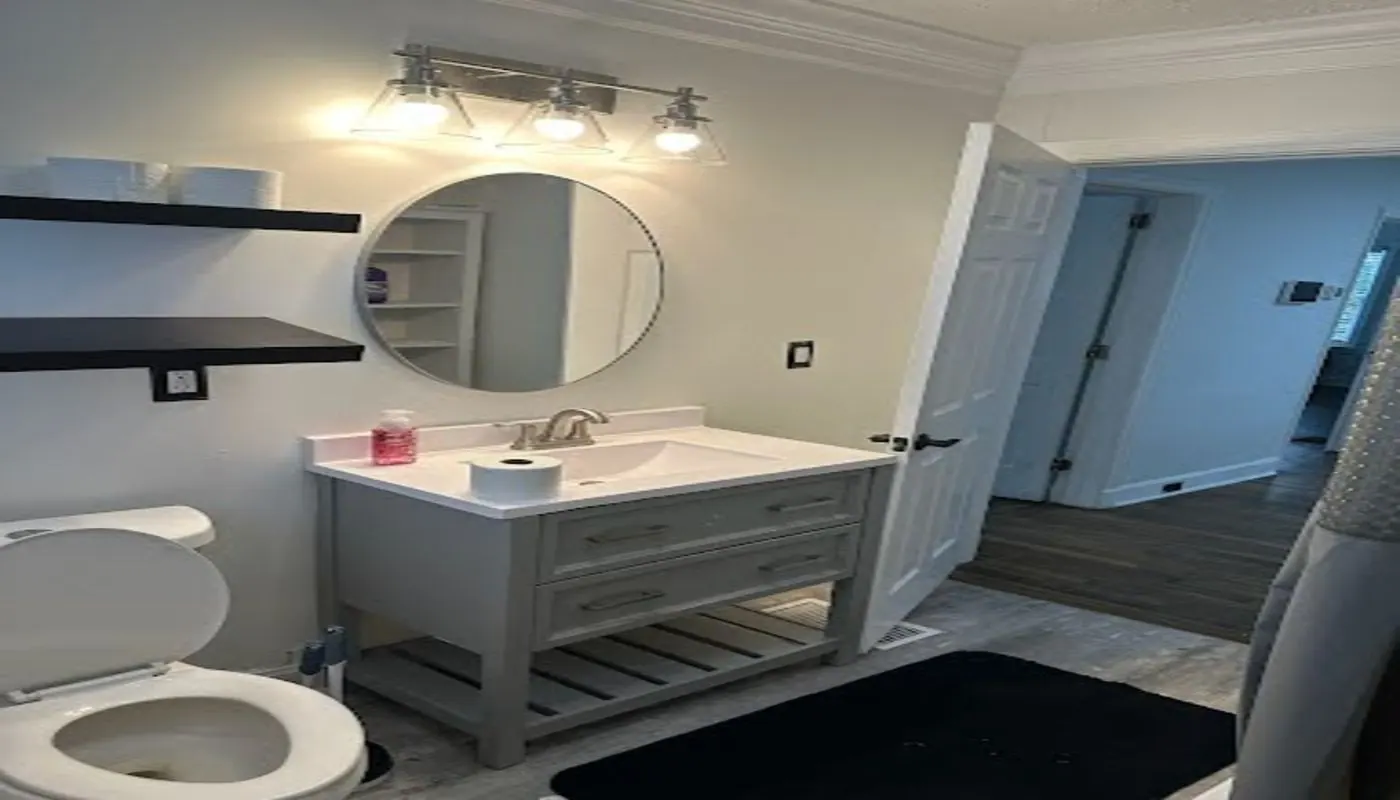
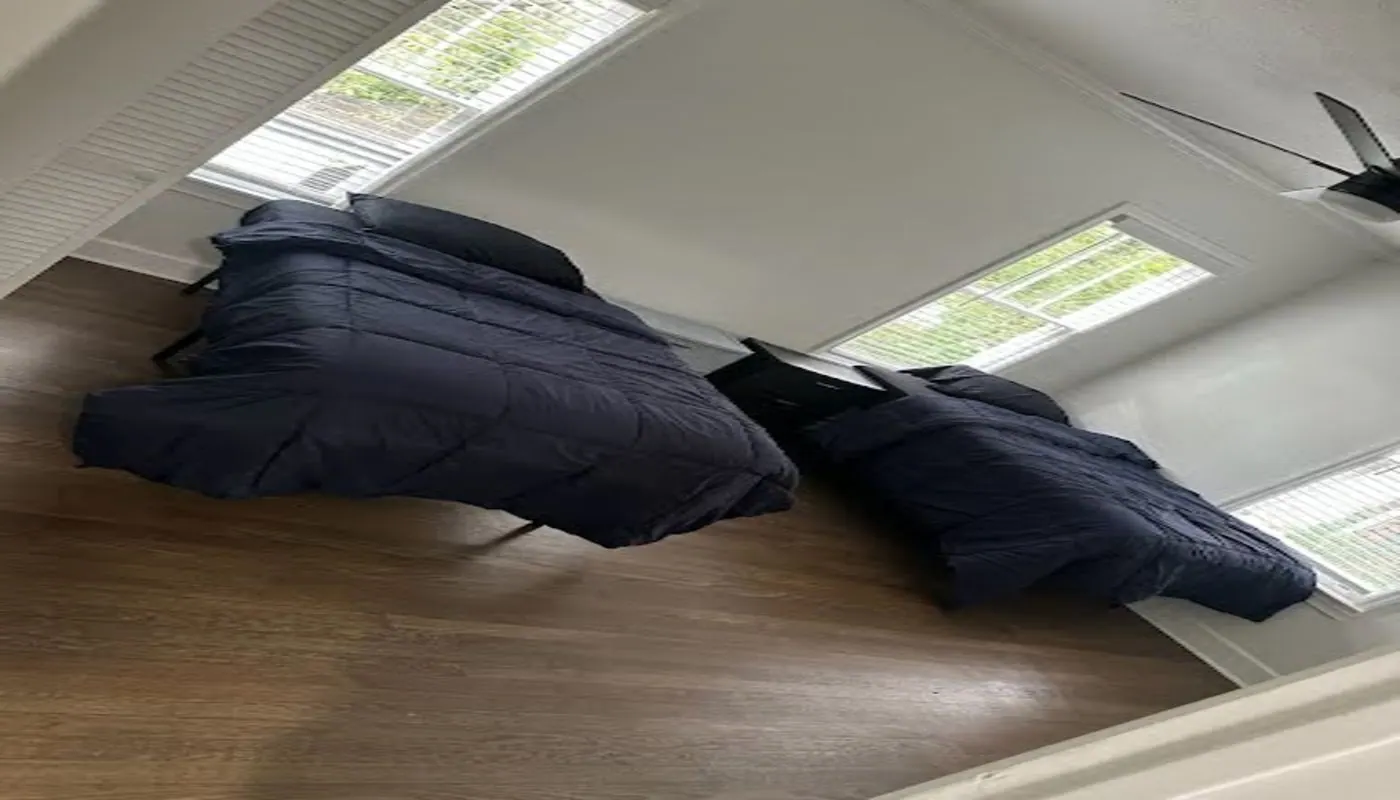
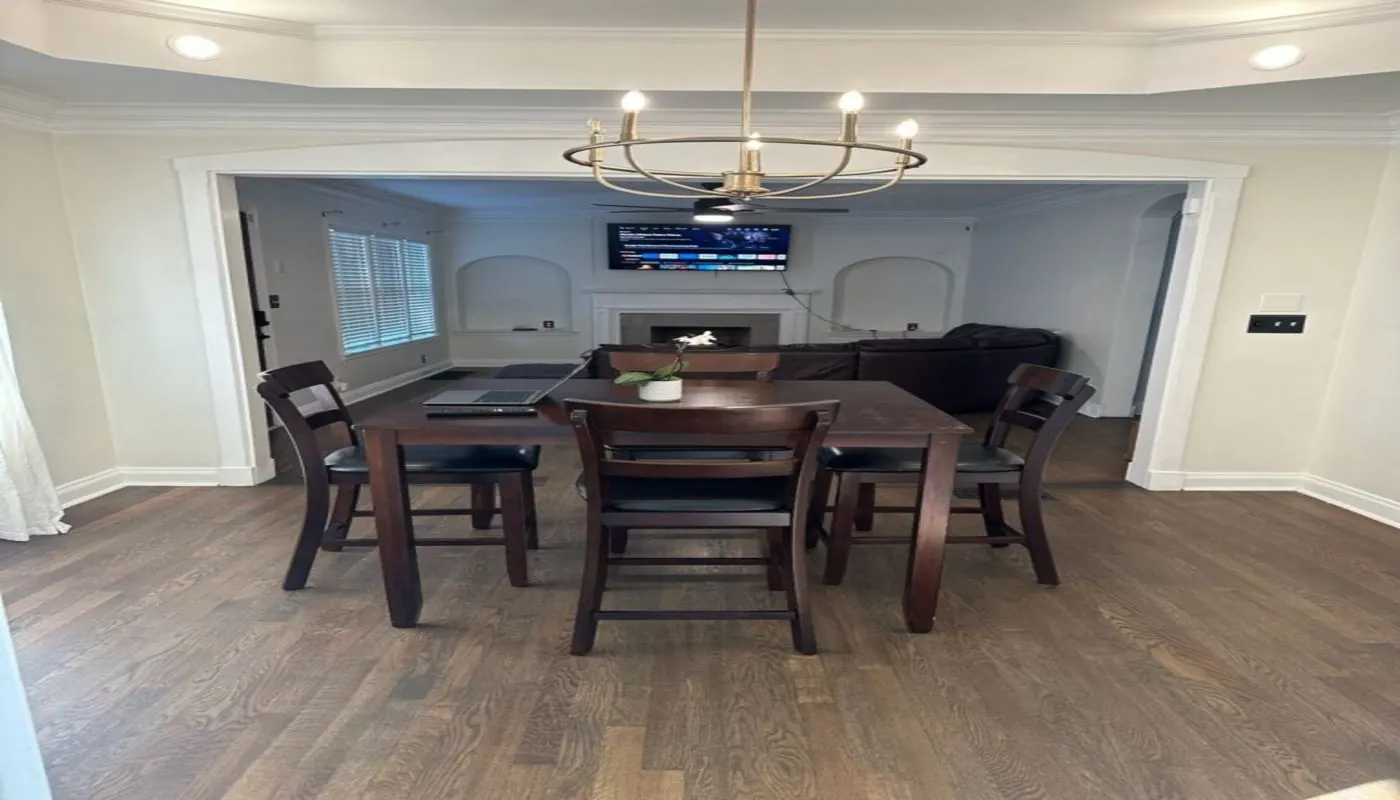
This is a men-only sober living house in Atlanta, not a hospital or a clinical treatment program. Residents share rooms and bathrooms, cook for themselves, and follow house rules that include holding a job, staying sober, finishing assigned chores, respecting curfew, taking part in drug testing and finding a sponsor. Men in sober living at this Atlanta house get steady guidance from an on-site house manager who keeps the home safe and calm.
The people who land here are often coming out of addiction treatment, working through mental health challenges such as anxiety or depression, leaving homelessness, or settling back into civilian life after military service. Making a change housing in Atlanta means practical daily structure, with nearby food banks and public transit within reach so residents can get to work, appointments and community activities.
Care at this home looks at the whole person, tending to body, feelings and spirit alike. Of the sober living options across Georgia, this house leans on communal living and mutual support among peers to shape daily habits. People prepare their own food, which helps them practice everyday self-reliance, and being where they are puts jobs, services and neighborhood events within easier reach.
Sober living with Twelve Step support
The main offering is sober living, paired with one-on-one care and participation in Twelve Step groups. At this Atlanta residence, men in sober living keep to curfew and household expectations that cultivate responsibility as they hold jobs, put money aside and reestablish daily patterns. A house manager on site offers consistent direction, and communal living lets residents support each other in ordinary day-to-day life. Opting for sober living in Atlanta means entering a structured setting rather than a clinical unit, so residents ought to have finished medical withdrawal beforehand.
Stopping suddenly can be dangerous for someone who has been drinking heavily or using benzodiazepines, so clinical supervision should guide that period before a move into sober living. Anyone leaving detox or inpatient care should ask the house manager how the first weeks are structured. When men compare rehab options in Georgia, sober living serves as a next step after treatment, not a replacement for medical care.
Who this Atlanta house serves in Atlanta
- Men only, in shared rooms and shared bathrooms
- People working through recovery from alcohol, opioids, cocaine, methamphetamine, prescription drugs or other substances
- Residents also coping with anxiety, depression or stress
- Men leaving homelessness behind or getting ready for civilian life after military service
- Men who want accountability, chores, curfew and drug testing rather than a clinical ward
House size and daily life here
Typical stays run 30+ days, and the house holds 6 to 15 men, so the group stays small. Living in shared housing in Atlanta means residents cook their own meals and keep a lounge and television as common space. Rooms and bathrooms are shared, and everything runs in English. If you need a longer stay while you save money or settle into work, then ask the house manager directly before you commit.
Costs and coverage in Georgia in Atlanta
This house is described as low-cost sober living, and housing like this is usually paid for privately or through the resident's own income rather than billed to insurance. Checking Georgia Medicaid or private insurance for clinical care is different from paying sober living rent, so ask the house about weekly fees and deposits. If you want to know whether detox or a clinical program would be covered at a licensed provider, our helpline can help you check that with treatment centers at no charge.
Questions before you move in in Atlanta
- What are the weekly fees, and is a deposit required
- What are the house rules on work, curfew, chores and drug testing
- Is there a written agreement, and what leads to being asked to leave
- How does the house manager handle a resident who relapses or has a mental health crisis
- Can the house connect residents with nearby food banks, transit and outpatient care

More centers around Atlanta
-

Skyland Trail J. Rex Fuqua Campus
Atlanta, GA30 days · 16-30 beds
- Joint Commission
- Residential Rehab
- Co-Occurring Mental Health
At this Atlanta campus, teenagers between 14 and 17 receive residential care.
View center -
- Joint Commission
- Outpatient
- Co-Occurring Mental Health
Buckhead Behavioral Health Atlanta provides outpatient care for adults with substance use and mental health concerns.
View center -
Revelare Recovery for Women
Atlanta, GA90 days
Revelare Recovery for Women Atlanta is a Georgia rehab built around women only.
View center -
Valor Behavioral Health
Atlanta, GA90 days
- Joint Commission
- Outpatient
Valor Behavioral Health Atlanta is an outpatient center on Druid Hills Drive.
View center -
Skyland Trail North Transitional
Atlanta, GA30+ days · 16-30 beds
- Joint Commission
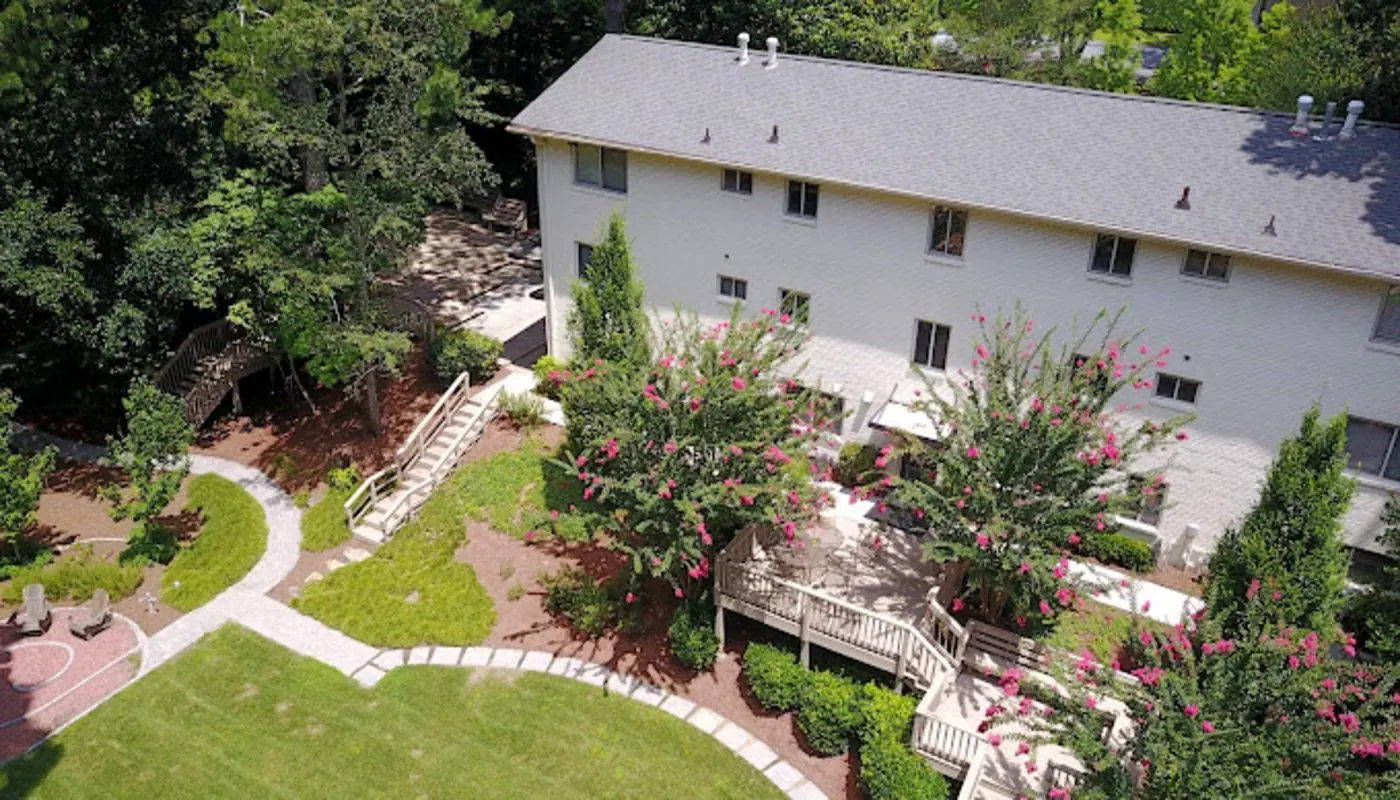
Skyland Trail North transitional living in Atlanta offers adults a supported apartment as they take part in outpatient mental health care.
View center -
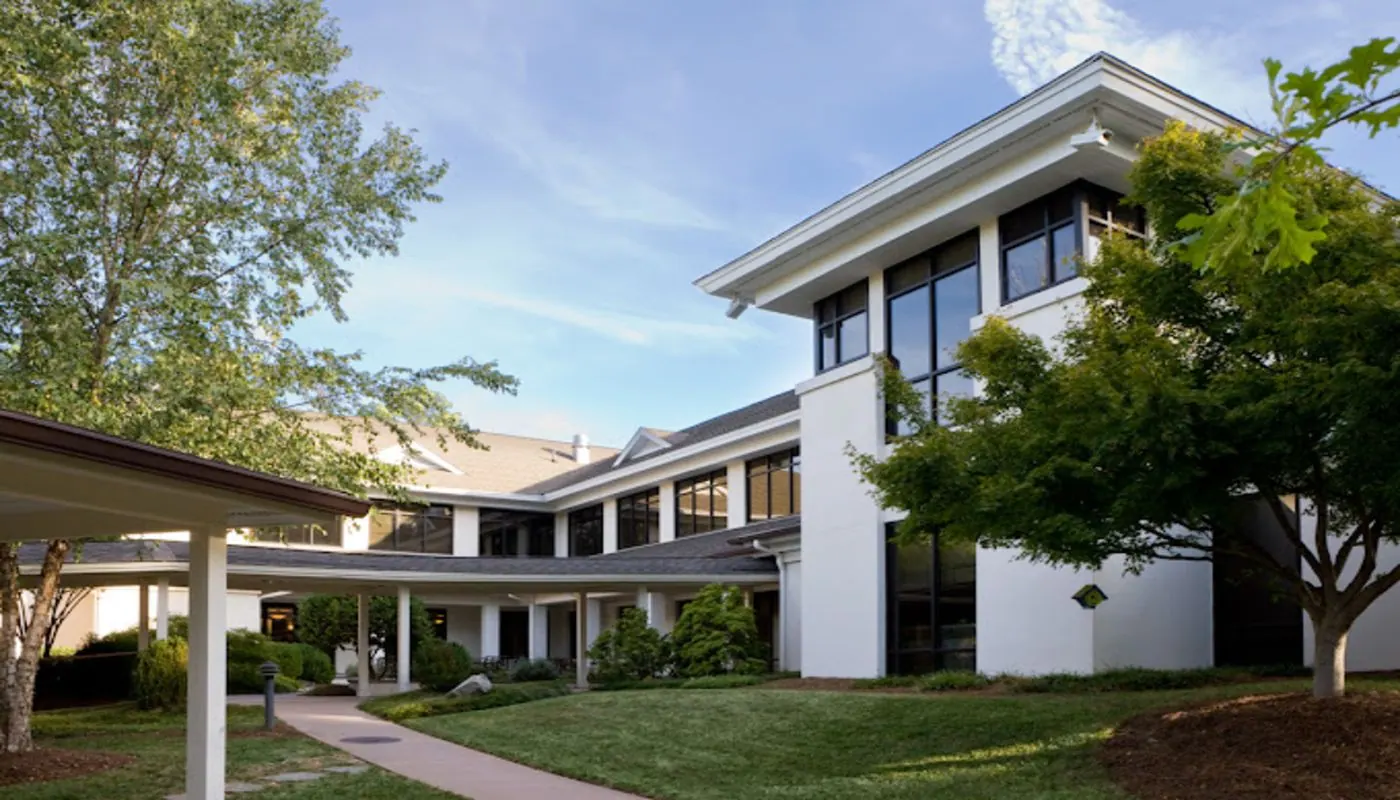
Skyland Trail Charles B. West Campus
Atlanta, GA30 days


Good to know
In Atlanta, is Make A Change Housing a sober living home or a licensed rehab?
It is a sober living home listed on SAMHSA FindTreatment.gov, not a licensed clinical rehab. The house offers structure, peer support, an on-site house manager and Twelve Step involvement for men in Atlanta, with 6 to 15 beds and typical stays of 30+ days. Anyone who needs detox or medical care should arrange that separately before moving in.
Does Georgia Medicaid pay for sober living at this Atlanta house?
Sober living is usually paid for privately instead of through insurance, and nothing in the listing suggests this house bills Georgia Medicaid. Georgia has 264 SAMHSA-listed facilities, and many of them do accept Medicaid for clinical care. To learn what your coverage includes, call our helpline and an advisor can help you check options with licensed providers.
How long do people usually stay at Make A Change Housing?
Most people stay about 30 days or more, and between 6 and 15 men live in the house at any given time. A few residents remain longer as they build up savings and get established in a job. When a job, a court date or a move is shaping your plans, bring up the idea of a longer stay with the house manager before you commit.
Can men with anxiety or depression stay here while in recovery?
Yes, the house takes in men who are dealing with anxiety, depression and stress at the same time as substance use. That said, it is not a medical or psychiatric facility, so anyone whose symptoms are serious should remain under a clinician's care. When a resident needs a higher level of mental health care, the house manager and a provider from outside should coordinate it.
What should I ask about sober living costs and house rules before I call?
Ask about weekly fees, deposits and whether income from a job is expected, since this is low-cost housing rather than insurance-billed care. Ask what the curfew, chore and drug testing rules are, and what leads to being asked to leave. If you are calling for someone else, having those answers ready makes the first conversation with the house manager easier.
Talk with someone about this house
When the call is for a brother, a son or a friend, having the basic details ready before you dial the house can make things easier. Someone answers our helpline at any hour, and those staff members are trained to help you weigh sober living against clinical programs throughout Georgia, including whether insurance or Medicaid would apply at a licensed provider. Calling costs nothing, stays private, and leaves the next decision entirely up to you. Reach out whenever you feel ready.