Drug Treatment Centers in Georgia
Locating drug treatment centers in Georgia begins with a single phone call. SAMHSA FindTreatment.gov lists 264 facilities as of November 2026. This guide covers levels of care, ways to pay, and programs near home.
Georgia overdose data for families
The state's overdose picture is improving, but the numbers remain high. In the 12 months ending May 2026, Georgia recorded 1,496 overdose deaths overall, down 21 percent from 1,900 in the prior period. Opioid deaths fell to 823, fentanyl to 643, heroin to 33, and prescription opioid deaths to 217. Methamphetamine deaths were 561, and cocaine deaths 410.If your family has already lost someone, then know that Georgia's 1,496 overdose deaths show this is not a rare problem but one that touches thousands of households. The drops in fentanyl deaths are encouraging, though they do not make the risk disappear for anyone currently using.
Those figures are recorded deaths, and every one represents a person someone was worried about. A decline in the count is not a reason to delay a conversation; it is a reminder that treatment access still matters for the 643 fentanyl deaths and 561 methamphetamine deaths recorded in the period. Families often find that the moment they start calling is the moment the situation becomes clearer, because specifics replace fear. The helpline uses these listings, not guesses, so the options you hear about are ones that exist today.
| Drug | Past year | Prior year | Shift |
|---|---|---|---|
| Drug overdose deaths, all types | 1,496 | 1,900 | -21% |
| Any opioid | 823 | 1,137 | -28% |
| Synthetic opioids and fentanyl | 643 | 946 | -32% |
| Heroin | 33 | 45 | -27% |
| Rx opioids | 217 | 297 | -27% |
| Methamphetamine | 561 | 739 | -24% |
| Cocaine | 410 | 503 | -18% |
Paying for drug rehab in Georgia
Cost is usually the first thing families raise, and the answer is rarely one number. Among Georgia listings, 182 facilities accept Medicaid, 181 accept private insurance, 151 accept Medicare, 112 accept TRICARE, 136 accept state insurance plans, and 236 accept self-pay. There are 78 facilities that offer a sliding fee scale, 101 that list financial assistance, and 11 that charge nothing at all; 123 are listed as federal block grant recipients. Georgia lists 11 free rehab options, plus 78 centers with sliding fee scales and 101 offering financial assistance for people without coverage. Georgia has not expanded Medicaid as of October 2026, so many adults without dependent children will not qualify for Medicaid and should ask directly about block grant funding and sliding fees.
Under federal parity law, most private plans generally have to cover substance use treatment much as they cover medical care. If an insurer denies a residential stay, ask for the denial in writing and request the appeal process. Be clear about the level of care your family member was assessed for, because insurers often dispute that point. Georgia Medicaid pays for a stay at 182 listed treatment centers, but confirm with the specific program before you go. If cost remains a barrier, the helpline can direct you to facilities that offer financial assistance, so you are not left guessing which ones are realistic.
- take Medicaid
- 182
- take private insurance
- 181
- take Medicare
- 151
- use a sliding fee
- 78
Well-known treatment centers in Georgia
-
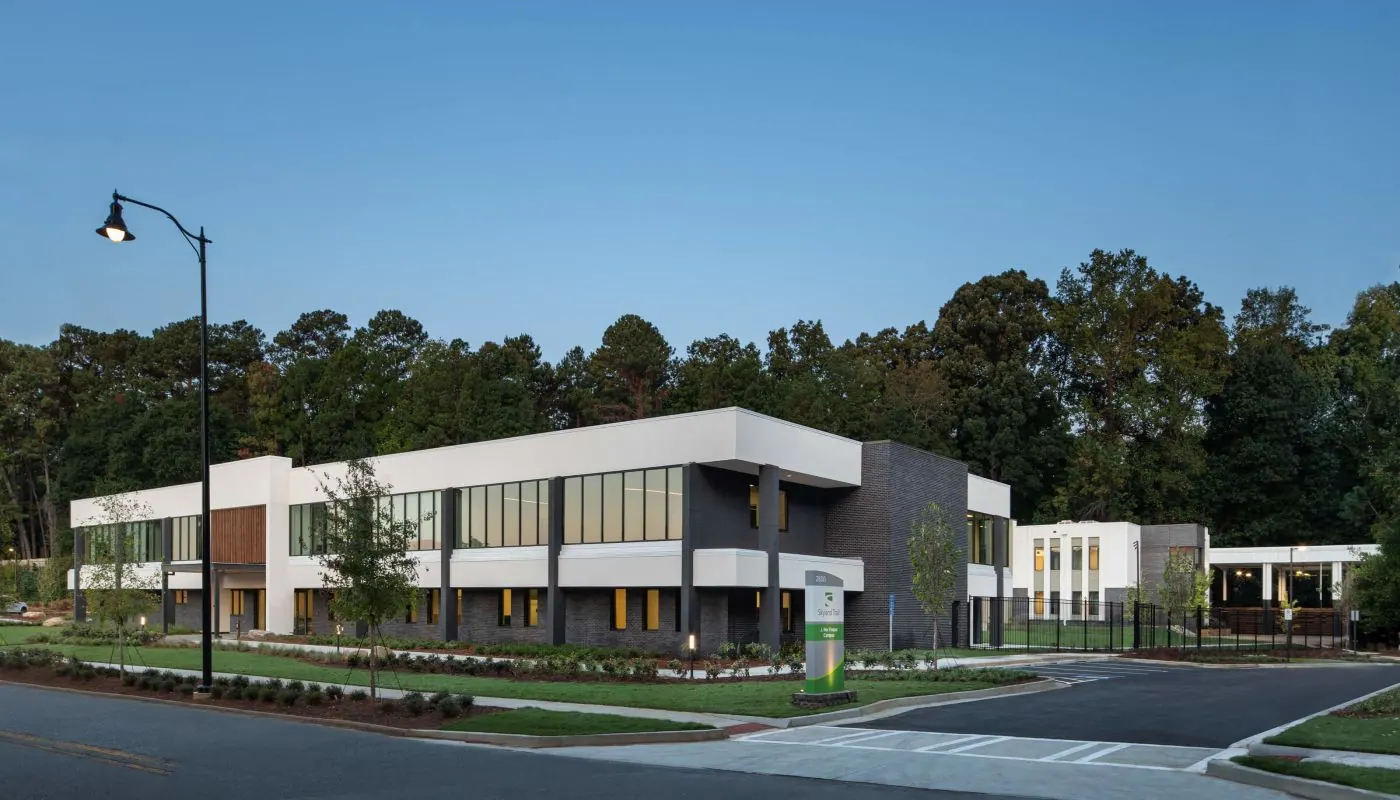
Skyland Trail J. Rex Fuqua Campus
Atlanta, GA30 days · 16-30 beds
- Joint Commission
- Residential Rehab
- Co-Occurring Mental Health
At this Atlanta campus, teenagers between 14 and 17 receive residential care.
View center -

The Recovery Village South Atlanta
Stockbridge, GA30 days
- Joint Commission
- Co-Occurring Mental Health
- Detox
The Recovery Village South Atlanta Stockbridge is a Georgia treatment center.
View center -
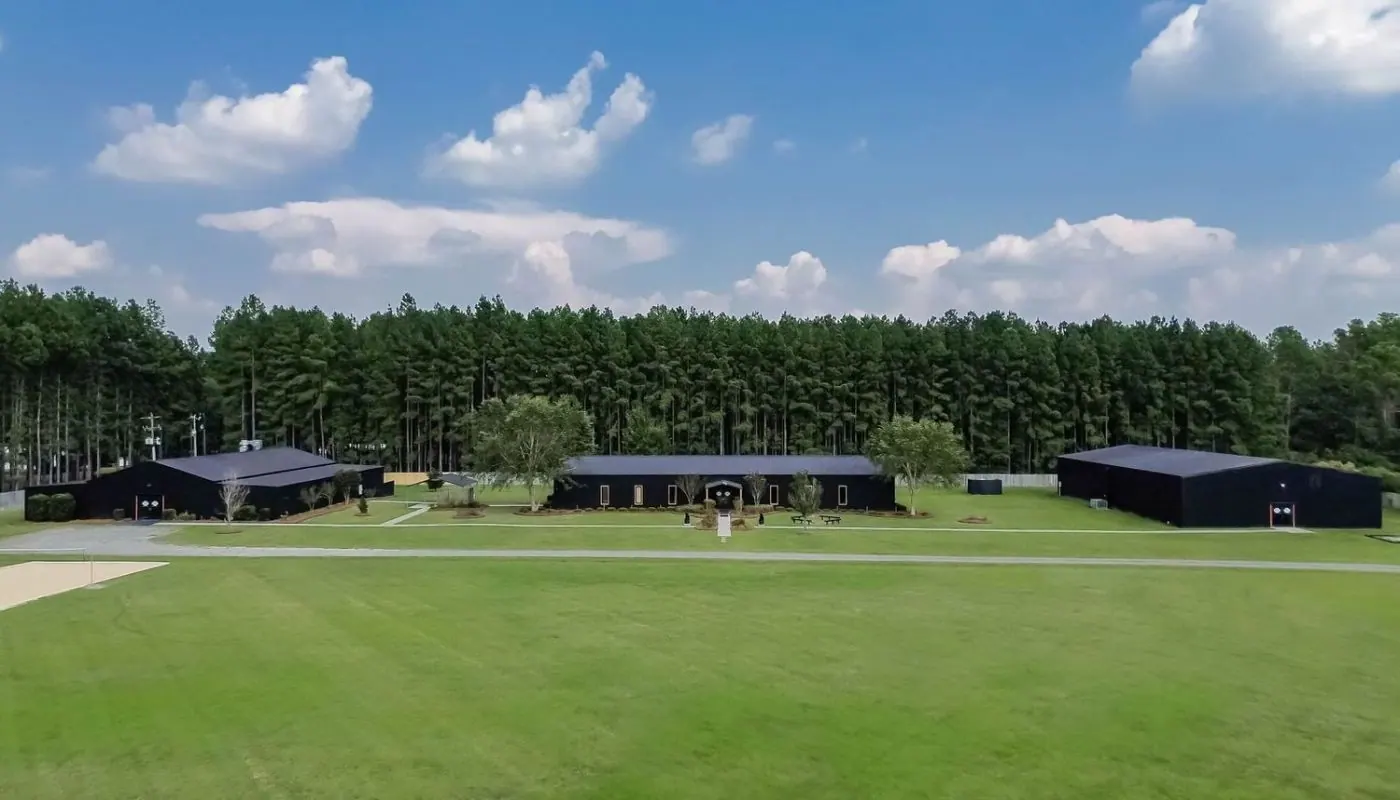
Green Acres Wellness
Alapaha, GA90 days
- Residential Rehab
- Co-Occurring Mental Health
- Detox
Green Acres Wellness Alapaha opened in 2023 as a residential program in South Georgia.
View center -
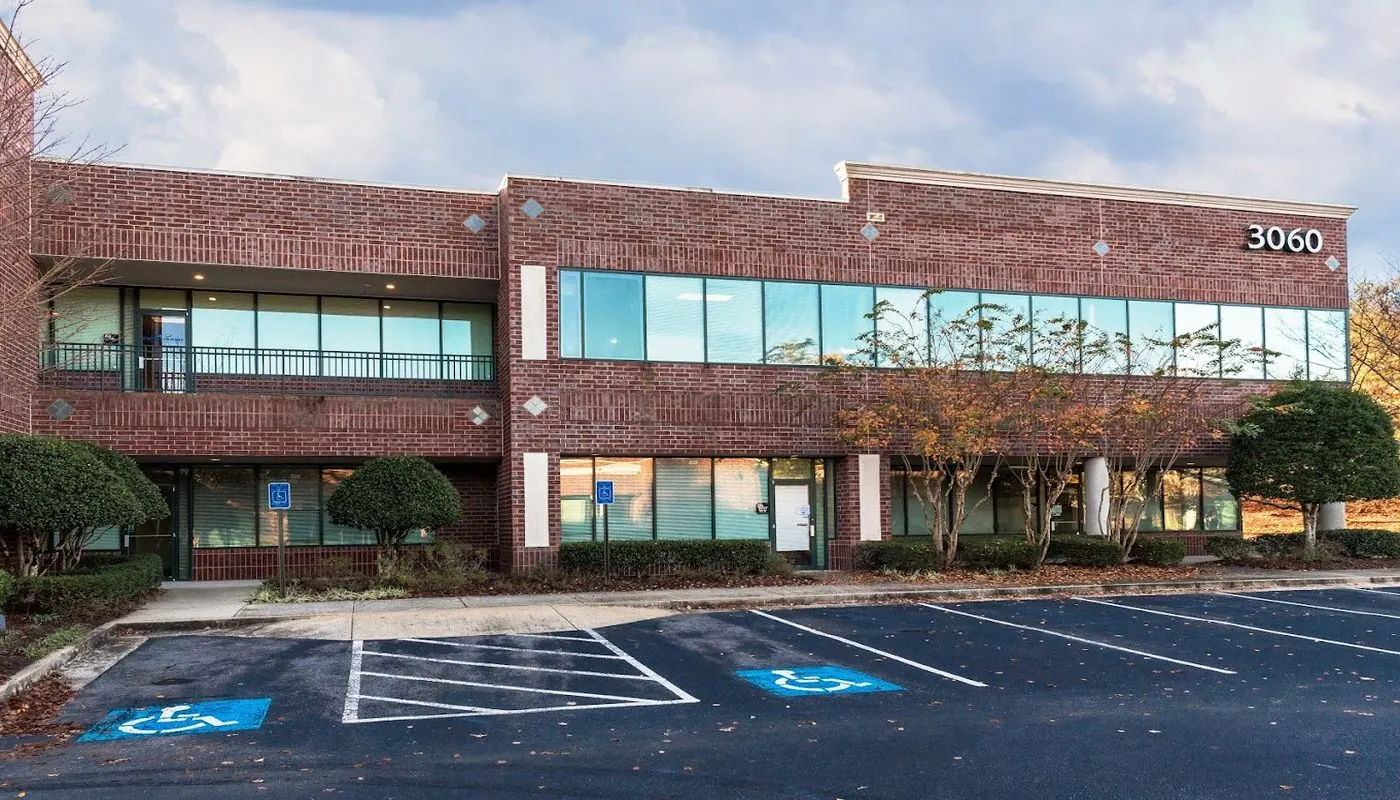
Focus Forward Counseling Alpharetta
Alpharetta, GA30 days · 2-5 beds
Focus Forward Counseling Alpharetta is an outpatient counseling practice located in Alpharetta, Georgia.
View center -
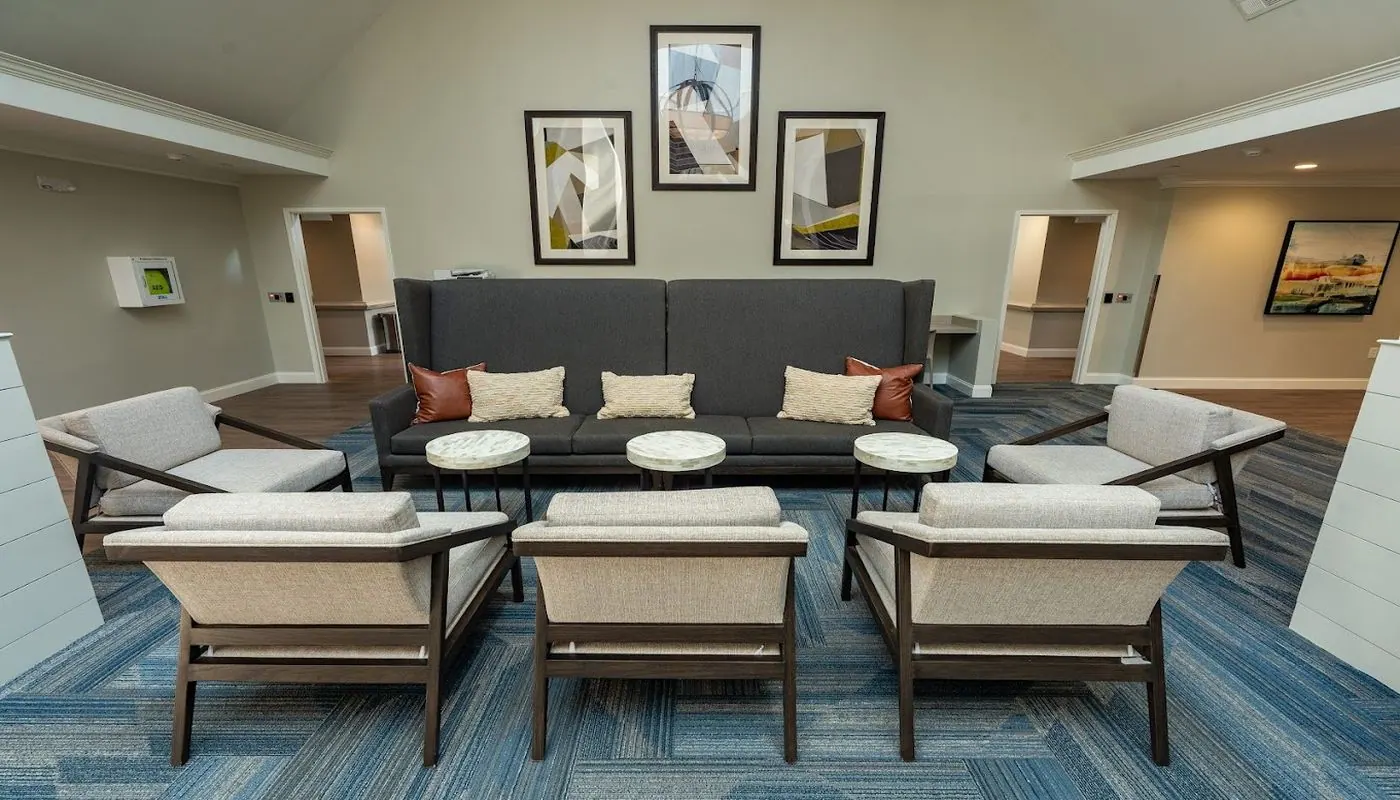
- Joint Commission
- Co-Occurring Mental Health
- Detox
The Recovery Village Atlanta Roswell sits on Pointe Place in Roswell, Georgia.
View center -
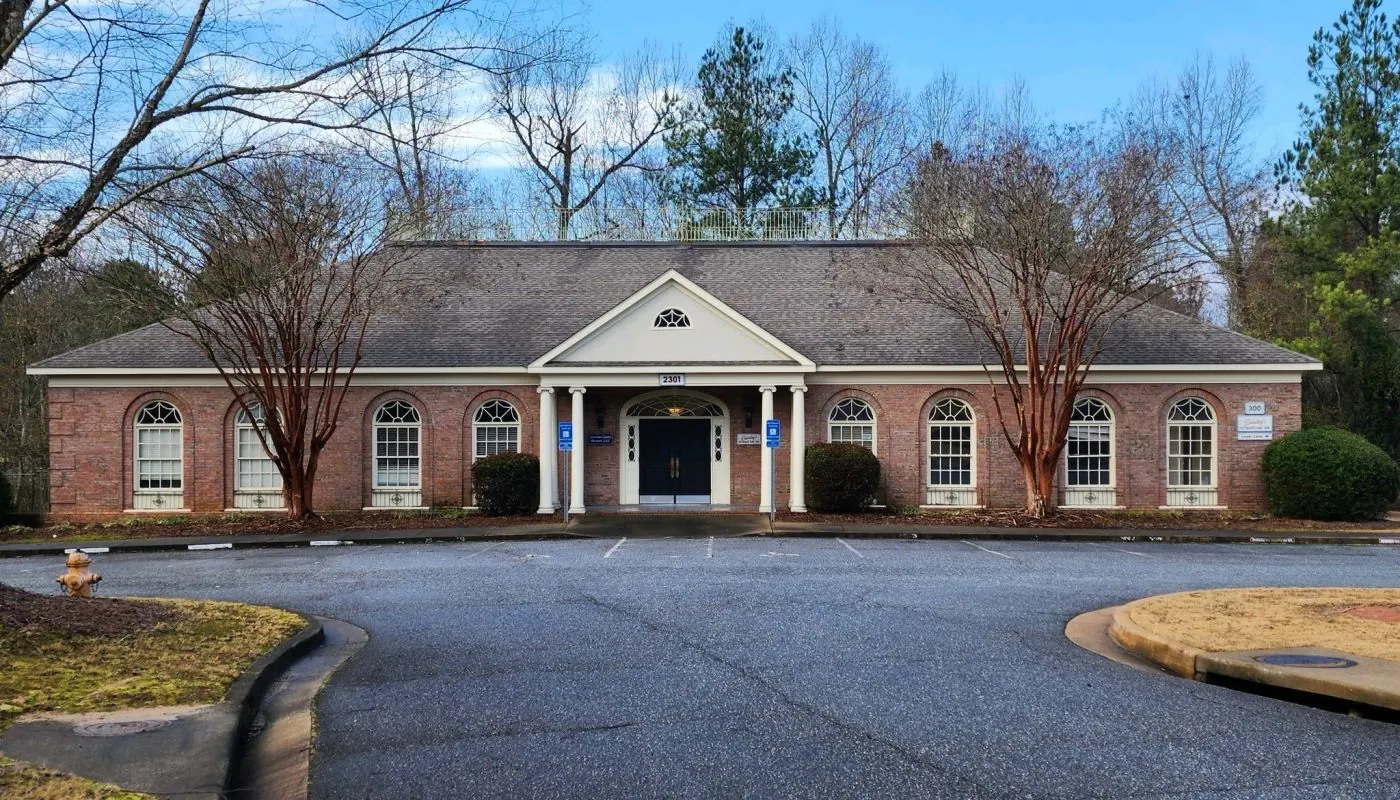
Ellie Mental Health Columbus
Columbus, GA90 days
- Outpatient
Ellie Mental Health Columbus is an outpatient counseling practice in Columbus, Georgia.
View center

What these Georgia centers treat
Most centers treat more than one substance, but the details vary. Alcohol is the most common reason people seek help, and 48 Georgia detox facilities list alcohol withdrawal support, which matters because that withdrawal can be medically serious. Opioids and fentanyl have 68 detox facilities listed, heroin 68, methamphetamine 45, benzodiazepines 45, and cocaine 44.Alcohol rehab in Georgia and opioid treatment are not the same service, so ask which substances each center actually handles before making a plan. Some facilities also treat mental health needs along with substance use, so mention any diagnosis when you call.

Finding rehab centers across Georgia
Treatment is not evenly spread, and the largest concentration is in the metro area. Atlanta has 32 facilities listed, followed by Savannah with 11, Decatur with 10, Valdosta and Statesboro with 7 each, and Athens, Marietta and Augusta with 6 each. Outside these cities, the nearest center may be a county or two away, which affects transportation and how often family can visit.If you live in a rural county, then ask about telehealth, since 209 Georgia facilities offer it and it can bridge the gap between home and the closest rehab. It is reasonable to call more than one program in your region and compare what each one actually provides.






What happens on the Georgia call
The phone is answered by a treatment advisor, not a clinician, and nobody is diagnosed over the phone. They ask a handful of practical questions: what substance is involved, how long it has been a worry, whether there are medical conditions, what insurance or payment you have, and how far you will travel within Georgia. Then they lay out which levels of care and listings fit. A call is free, private, and never obligates you to enroll. If you're unsure whether treatment is needed, a free confidential call can help you sort the options without committing to anything and without sharing more than you wish. You may call for a relative, and you can call again later as circumstances shift.
Calls are answered around the clock, which matters when a decision cannot wait for business hours. Advisors work with licensed providers, but they cannot promise admission, insurance coverage, or a particular outcome; they can tell you what the listings show and what questions to ask. For a medical emergency or a crisis involving immediate danger, call 988 or 911 rather than the helpline.When you call the helpline, then the advisor works from 264 SAMHSA-listed Georgia facilities rather than a short list of partners.
Drug treatment centers in Georgia
As soon as you begin making calls, you'll encounter plenty of jargon describing varying intensities of care. In Georgia, 69 facilities are listed as offering medical detox, 58 with inpatient or residential rehab, 62 with partial hospitalization, 99 with intensive outpatient programs, and 225 providing some form of outpatient rehab.Each level of drug treatment in Georgia, from 225 outpatient sites to 58 residential rehabs, serves a distinct purpose; the right one hinges on the amount of structure a person requires and how risky withdrawal might be. A person who drinks heavily or takes benzodiazepines daily may need a clinician watching over detox, because that withdrawal can be dangerous. Inpatient and residential programs provide more support around the clock, whereas outpatient and IOP allow someone to continue living at home and go to sessions several times a week.
A referral is not a contract, so it helps to ask each program specific questions. Does the center accept Georgia Medicaid, and does it offer medication-assisted treatment? Georgia has 143 facilities listed with buprenorphine and 61 methadone clinics, so medication for opioid use disorder is within reach in many parts of the state.If someone needs medication for opioid use disorder, then Georgia has 61 methadone clinics and 143 buprenorphine prescribers listed to check first. If a program does not offer the medication a person is already taking, that matters more than a brochure. Ask about telehealth as well: 209 Georgia facilities list telehealth services, which can help families in rural counties.
Choosing a Georgia treatment center
Describe the situation plainly
Tell them what substance is involved, how long it has been a worry, and any medical or mental health conditions. That helps an advisor narrow the choices to programs that actually treat what your family member needs.
Check the level of care
Ask whether detox or medical supervision is needed, then whether the person needs residential or outpatient care. A program that fits the assessment is more useful than the one closest to home.
Confirm payment before visiting
Ask directly about Medicaid, private insurance, sliding fees, and financial assistance. Get the answer in writing if you can, and ask about block grant funding if you are uninsured in Georgia.
Ask what the first day looks like
Find out intake hours, what to bring, whether medication is continued, and how family can stay in contact. Knowing the logistics in advance lowers the chance of turning back at the door.
Common questions
Does Georgia Medicaid pay for inpatient rehab?
Yes, Medicaid is accepted at 182 of the treatment facilities listed in Georgia, and that can include inpatient or residential care when the assessment supports it. Georgia has not expanded Medicaid, so eligibility rules are strict for some adults. Before you count on coverage, call the specific program and confirm what it accepts for the level of care you need.
How many drug treatment centers in Georgia are there?
SAMHSA's FindTreatment.gov directory lists 264 facilities in Georgia as of November 2026. That includes 69 with medical detox, 58 with residential rehab, 99 with intensive outpatient programs, and 225 offering outpatient services. The count changes as programs open and close, so ask the helpline to confirm a specific center is still active before you travel.
Are there free rehab centers in Georgia?
Yes. There are 11 facilities that list no fee, 78 with sliding fee scales, and 101 that offer financial assistance, and 123 are federal block grant recipients. Free or reduced-cost care often has a waiting list, so call more than one program. A helpline advisor can tell you which free options currently have space.
What are the usual reasons people seek rehab?
Alcohol is the most common reason, and 48 Georgia detox facilities list alcohol withdrawal support. Opioids and fentanyl have 68 detox facilities listed, methamphetamine 45, benzodiazepines 45, and cocaine 44. People also seek help for mental health needs alongside substance use, so mention any diagnosis when you call.
How do I find alcohol rehab in Georgia?
Start with the 48 facilities that list alcohol detox support, then decide whether residential or outpatient care fits. For someone who drinks heavily every day, medical supervision during withdrawal matters, so ask about detox capacity first. The helpline can match you to programs that treat alcohol use disorder and explain medication options.
Does insurance have to cover addiction treatment in Georgia?
Under federal law, most private plans must cover substance use treatment at parity with medical care, and 181 Georgia facilities take private insurance. That is no guarantee of a particular stay or program, and insurers may require prior authorization. If you are denied, request the reason in writing and ask about the appeal process before paying out of pocket.
Talk with someone in Georgia
Call the free, confidential helpline any hour of the day to compare drug treatment centers in Georgia, check what your insurance or Medicaid covers, and hear what the first day looks like. No obligation, no pressure.