Skyland Trail Rollins Campus Atlanta
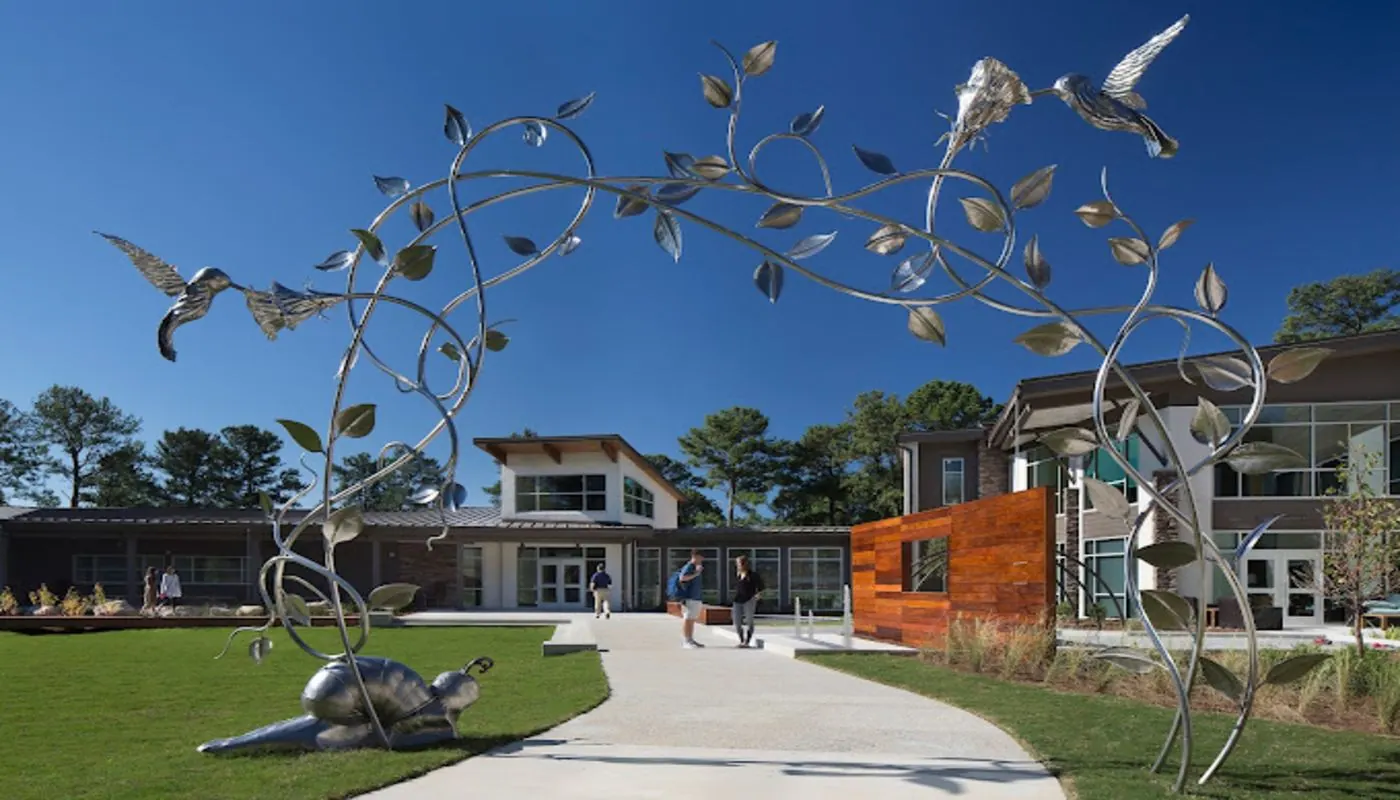
Skyland Trail Rollins Campus in Atlanta provides residential care for mental health conditions together with co-occurring substance use. It is one of the 264 SAMHSA-listed facilities in Georgia. Our helpline links callers with licensed providers at no cost.
- Joint Commission
- Residential Rehab
- Co-Occurring Mental Health
- 30 days
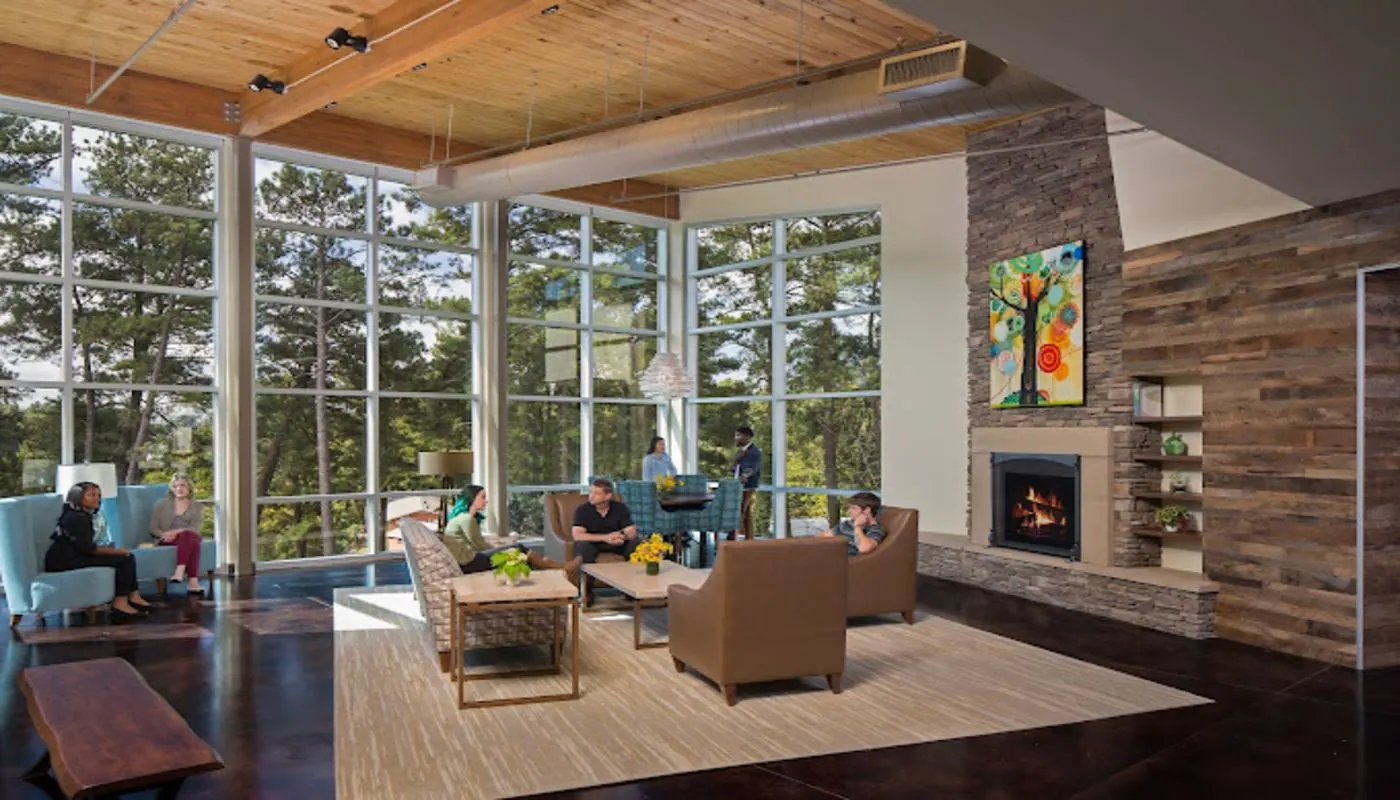
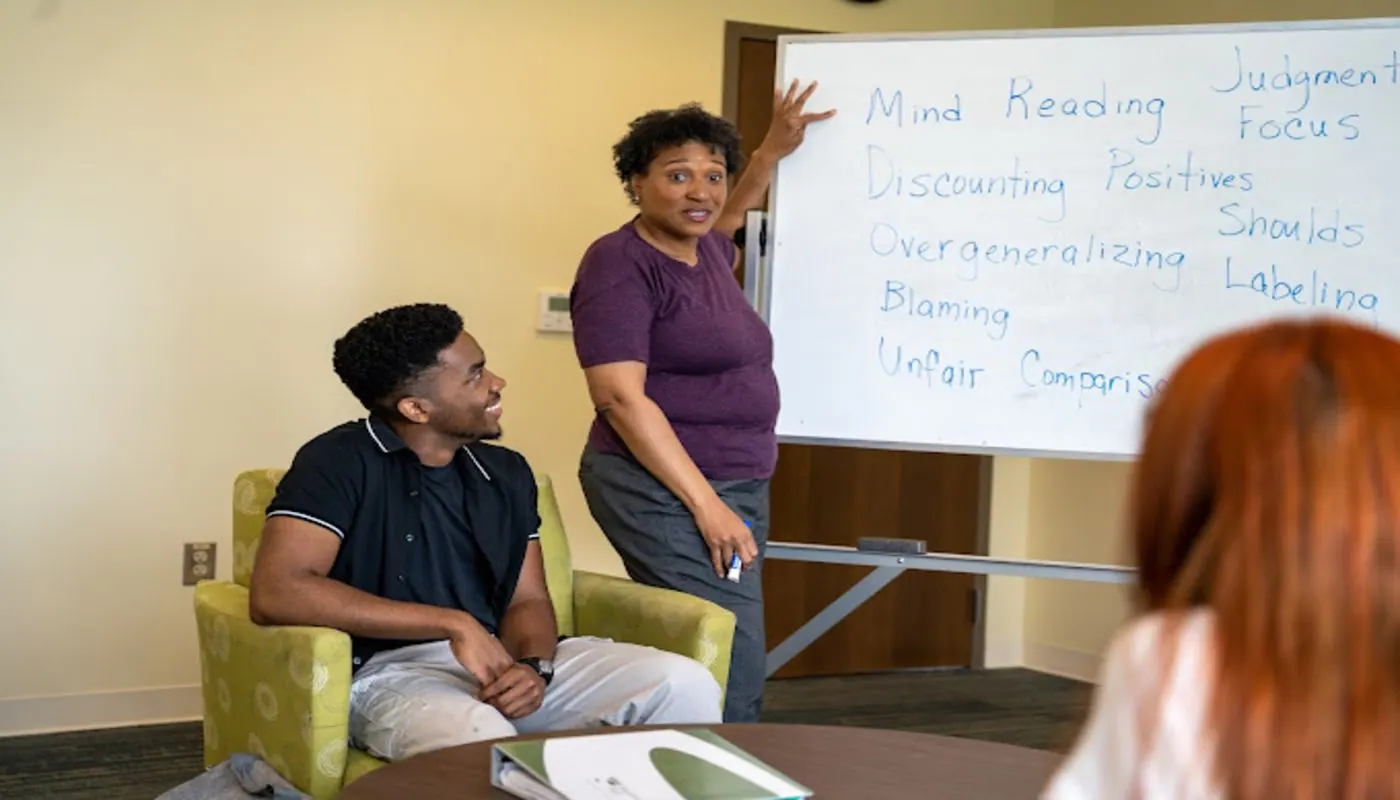
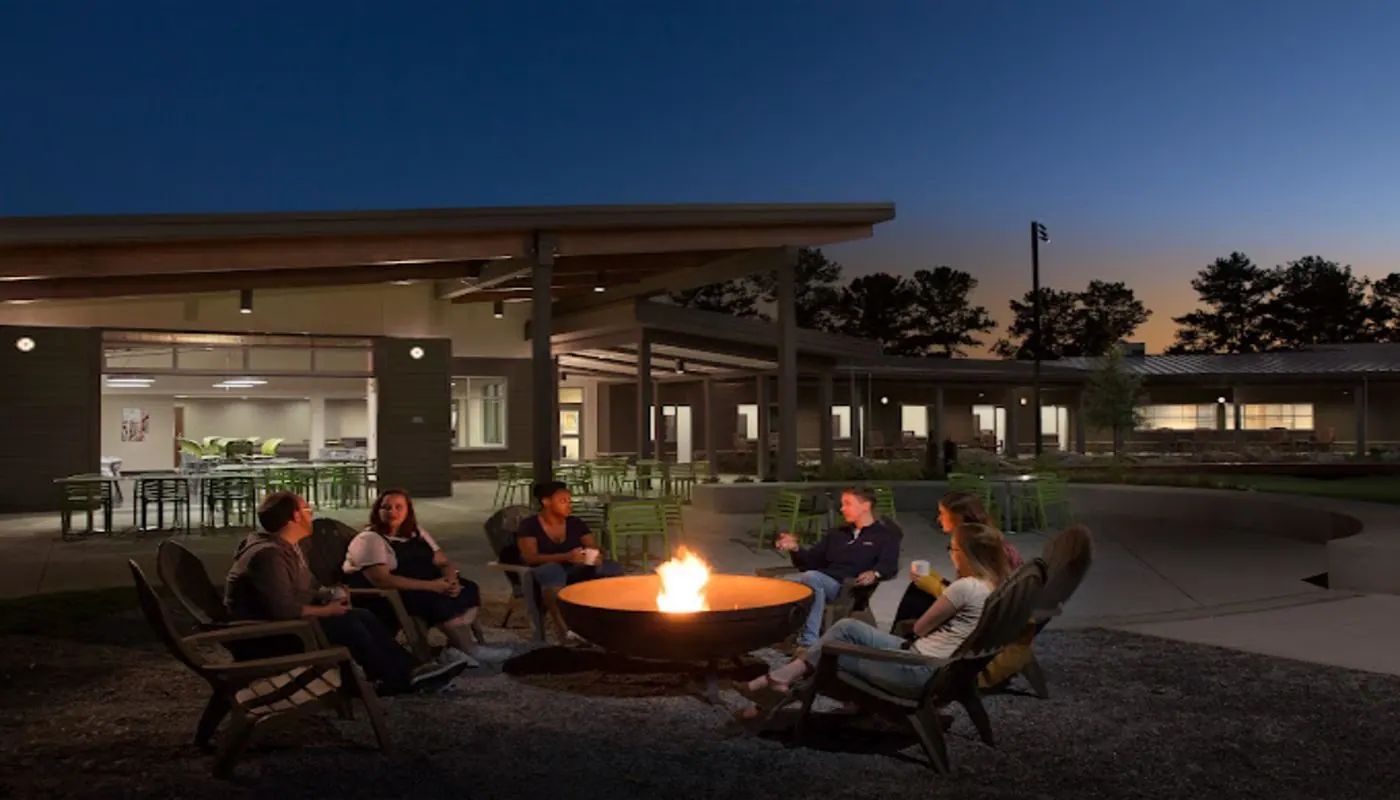
Skyland Trail Rollins Campus is a nonprofit organization providing mental health treatment in Atlanta, Georgia. Staff members treat each person as an individual, and they build evidence-based plans that also account for holistic care. In a classroom-style setting, clients learn about their mental health conditions and practice ways to handle stress and lower the chance of relapse.
This campus is among the residential rehab centers in Georgia treating co-occurring disorders, located roughly 9 miles northeast of downtown Atlanta close to I-85. The setting makes the program accessible to people throughout the metro area. Care is collaborative, with mental health and substance use treated together instead of in separate tracks.
The center carries Joint Commission accreditation and has operated since 1989. SAMHSA lists it among Georgia's treatment facilities, and it offers residential rehab that addresses mental health needs alongside substance use. Program length varies from person to person, and staff decide what fits each individual's needs.
Skyland Trail Rollins Campus Atlanta
Residential rehab drug use treatment alongside mental health needs take place under one roof at Skyland Trail Rollins Campus Atlanta. Offerings include individual counseling, cognitive behavioral therapy, family therapy, adventure therapy, art therapy, horticultural therapy, work on life skills, meditation and mindfulness, and trauma-specific therapy. The center characterizes its approach evidence based and holistic and focused on the individual.
For families comparing drug and alcohol rehab in Georgia, this Atlanta center may stand out for combining clinical care with creative and outdoor therapies. A typical week includes time with a psychiatrist and a therapist, group sessions, chances to practice new skills, peer support, physical fitness, and creative work. Group options include gender-specific sessions and peer-led LGBTQ+ support. If a person needs less intensive care after residential treatment, it is worth asking the staff about moving down to day treatment.
- Horticultural Therapy
- 1-on-1 Counseling
- Family Therapy
- Cognitive Behavioral Therapy
- Art Therapy
- Individual Treatment
- Holistic
- Trauma-Specific Therapy
- Evidence-Based
- Meditation & Mindfulness
Who this Atlanta program is built for
- Adolescents, including boys and girls
- Men and women, including young adults
- LGBTQ+ individuals
- People facing both mental health and substance use conditions
- People living with anxiety, depression, bipolar disorder, trauma, self-harm, or suicidality
- People dealing with anger or personality disorders alongside substance use
Setting, size, and daily life in Atlanta
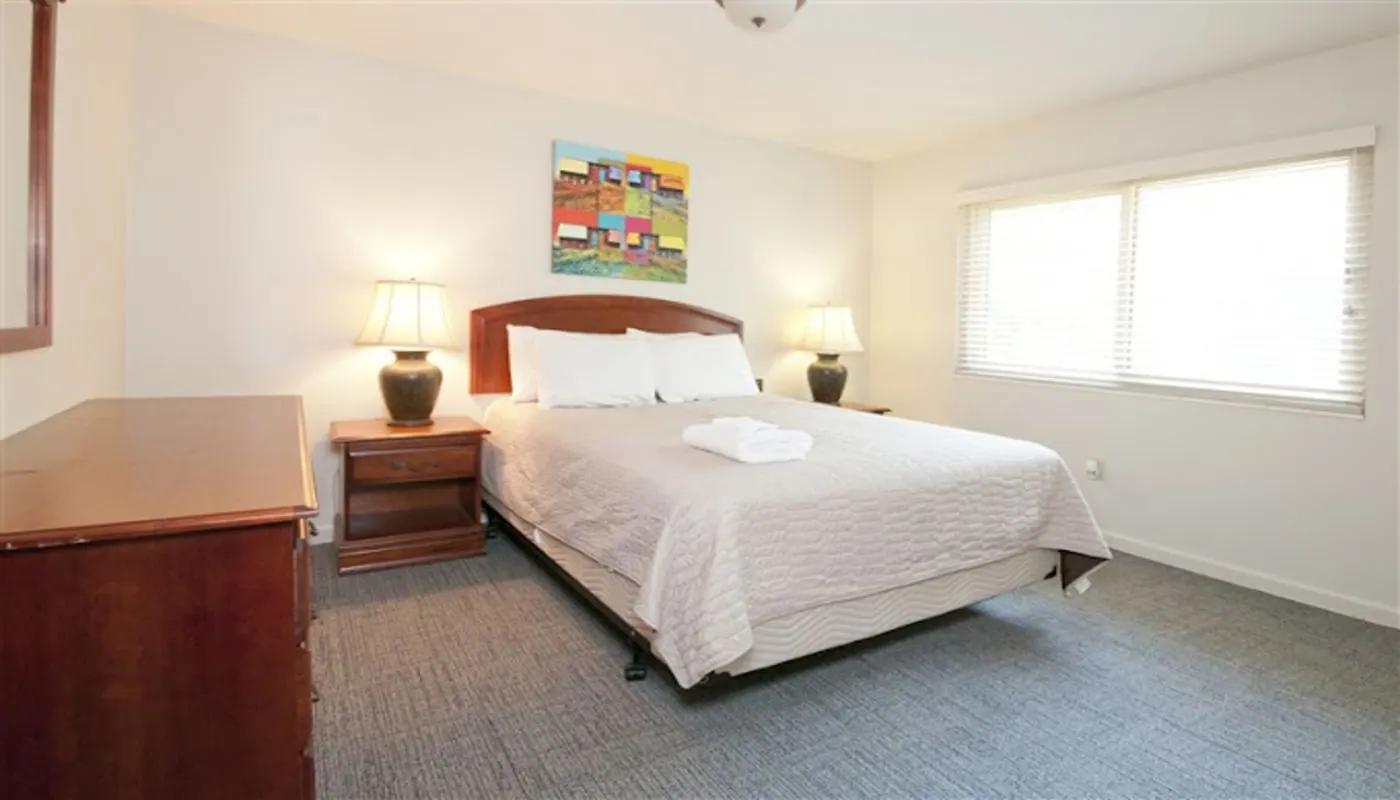
The Rollins Campus residential program in Atlanta has room for roughly 31 to 50 clients, and each person gets a private room with its own bathroom. Amenities include gardens, walking trails, chances to spend time outdoors, a basketball court, a fitness center, outdoor dining and lounge areas, and television. Nurses with licensure and residential staff are on hand at all hours. The weekly schedule includes cooking classes, farming and gardening, and physical fitness. Services are available in English, and aftercare covers alumni events, online aftercare, outpatient care, recovery retreats, and support meetings held on site. When a family weighs residential against outpatient care, a good first question is how much structure the person needs each day.
- Basketball Court
- Walking Trails
- Outdoor Dining
- Access to Nature
- Fitness Center
- Gardens
- Outdoor Space
- Outdoor Lounge
How to pay for care here in Atlanta
Self-pay rates, in-network status with most major private plans, and financial aid for qualifying families. If you would like to know what your plan covers before deciding, call our helpline and we can help verify benefits with the center. Coverage depends on the level of care and your plan, so confirm any estimate rather than assuming it. It pays to settle cost questions early, before a start date is chosen.
Questions worth posing before admission
- What length of stay do you recommend for my situation, and how often is it reviewed?
- How do you coordinate behavioral health and addiction care in one plan?
- Which insurance plans are in network here, and what would we owe out of pocket?
- What aftercare follows residential treatment, and how do families stay involved?
- Are gender-specific or LGBTQ+ support groups part of the weekly schedule?
More centers around Atlanta
-
Skyland Trail J. Rex Fuqua Campus
Atlanta, GA30 days · 16-30 beds
- Joint Commission
- Residential Rehab
- Co-Occurring Mental Health
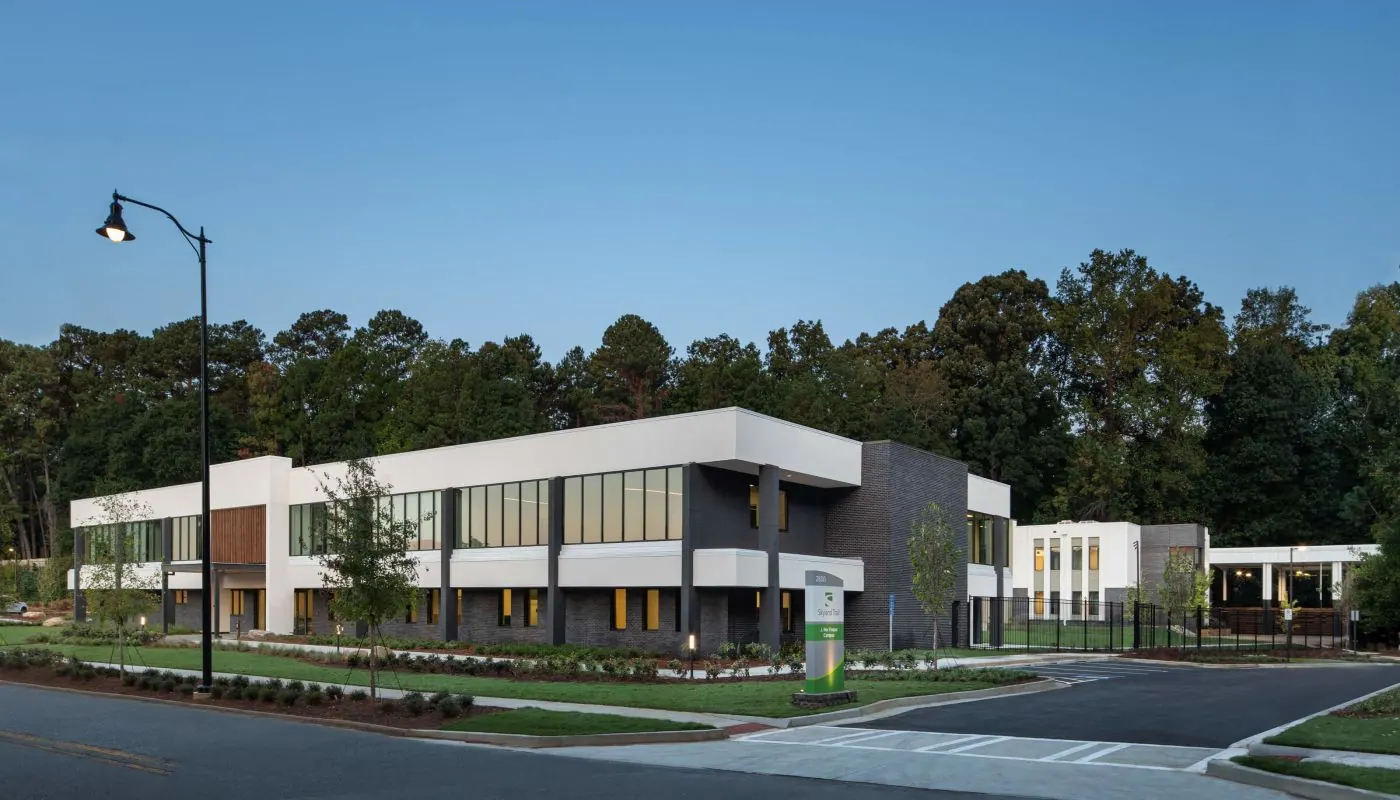
At this Atlanta campus, teenagers between 14 and 17 receive residential care.
View center -
- Joint Commission
- Outpatient
- Co-Occurring Mental Health
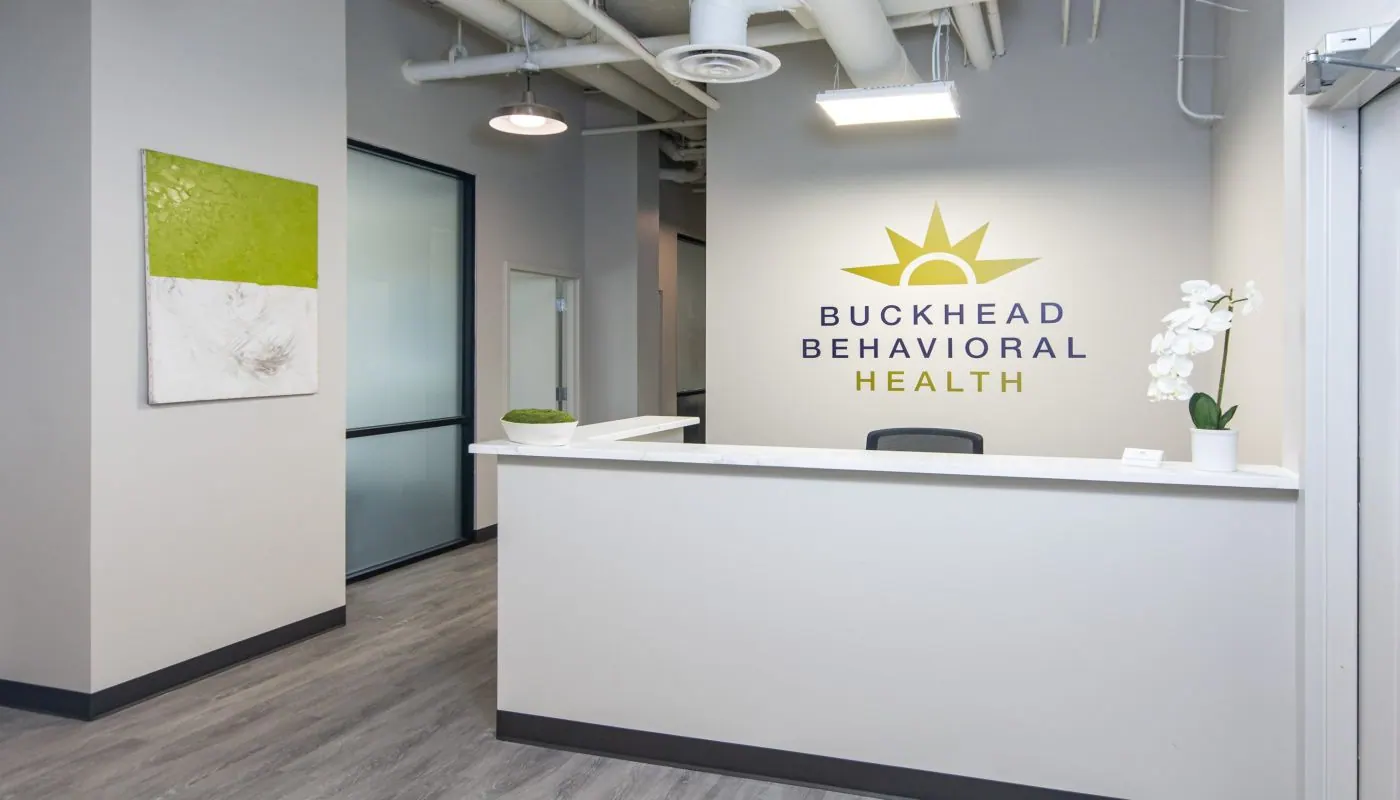
Buckhead Behavioral Health Atlanta provides outpatient care for adults with substance use and mental health concerns.
View center -
Revelare Recovery for Women
Atlanta, GA90 days
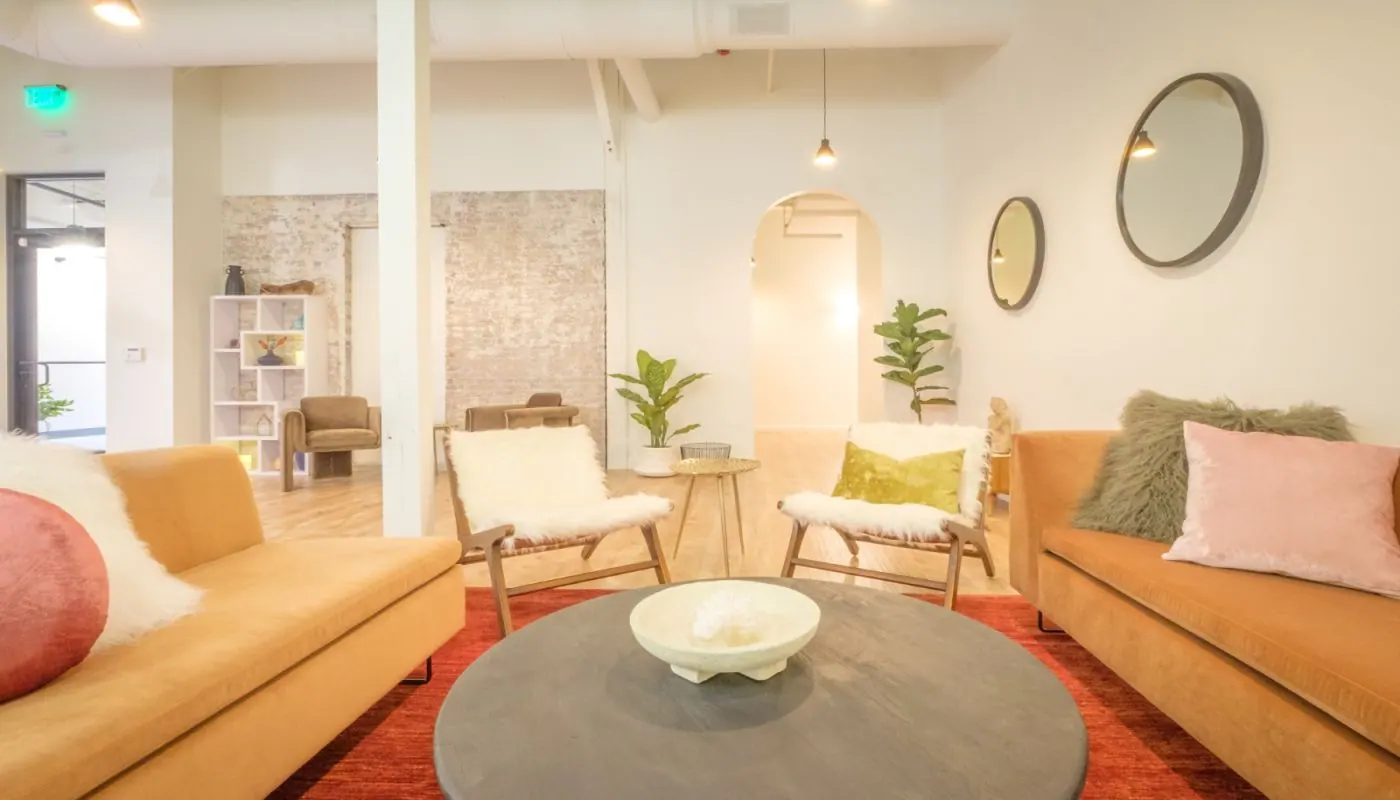
Revelare Recovery for Women Atlanta is a Georgia rehab built around women only.
View center -
Valor Behavioral Health
Atlanta, GA90 days
- Joint Commission
- Outpatient
Valor Behavioral Health Atlanta is an outpatient center on Druid Hills Drive.
View center -
Skyland Trail North Transitional
Atlanta, GA30+ days · 16-30 beds
- Joint Commission
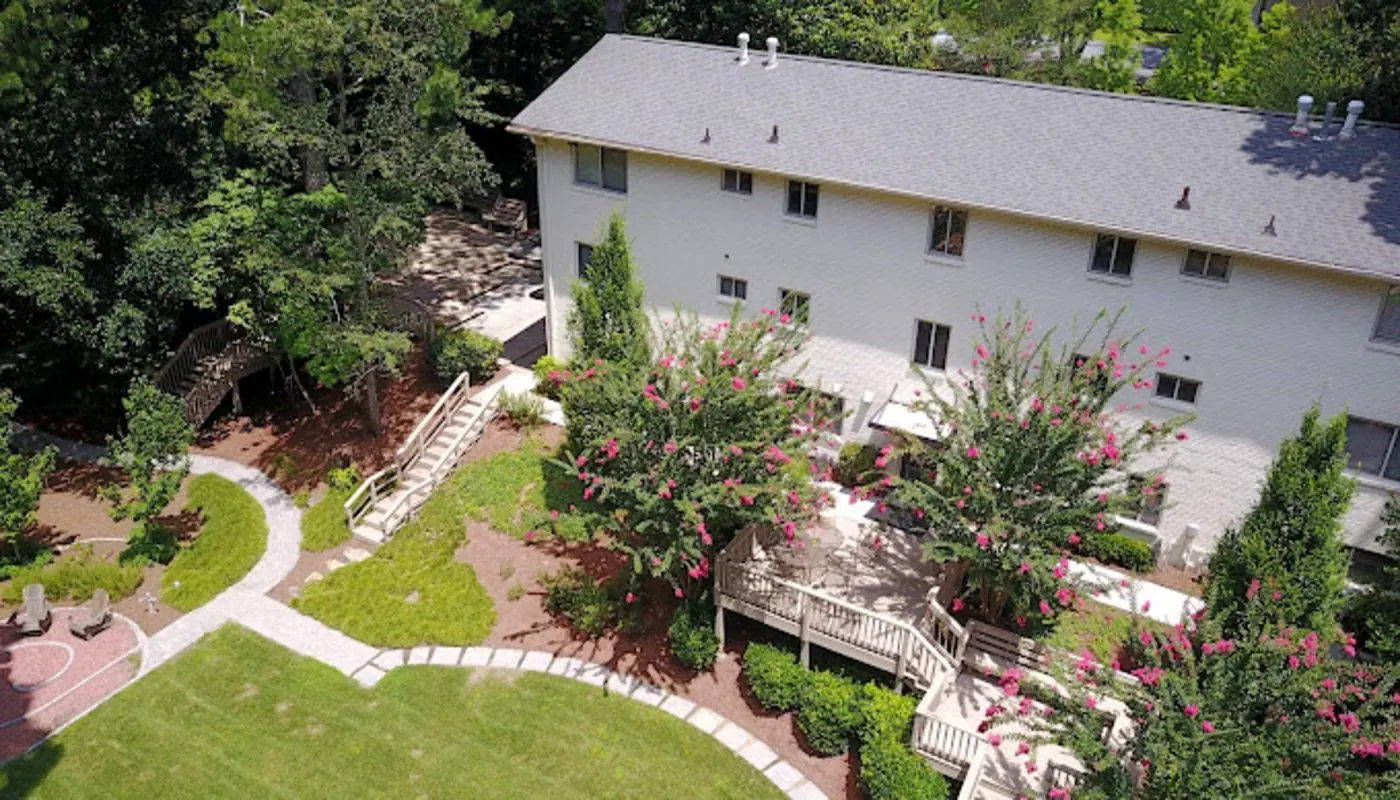
Skyland Trail North transitional living in Atlanta offers adults a supported apartment as they take part in outpatient mental health care.
View center -
Skyland Trail Charles B. West Campus
Atlanta, GA30 days

Good to know
Where is Skyland Trail Rollins Campus Atlanta located?
The campus is at 1961 N Druid Hills Rd. in Atlanta, Georgia, 30329, about 9 miles northeast of downtown near I-85. That location serves people across the metro area and beyond. If travel distance affects who can visit or attend family sessions, then ask staff how visits are scheduled before you commit.
Does Skyland Trail Rollins Campus accept Georgia Medicaid?
The center's payment information lists cash pay rates and in-network status with most major private insurance plans, and it notes financial aid for eligible families, but it does not name Georgia Medicaid. If Medicaid coverage matters for your family, then call the center or our helpline to confirm before planning a start date. Our line costs nothing and stays private.
What is the usual length of stay at this Atlanta center?
The center describes a typical program as roughly 30 days, and its own description says clients often stay 8 to 12 weeks before moving down to day treatment. How long someone stays depends on clinical needs and on how that person is doing. If your insurance caps the number of days it will pay for, ask how the center handles authorization so that care does not end early without warning.
What therapies and activities are offered here?
The program includes individual counseling, cognitive behavioral therapy, family therapy, adventure therapy, art therapy, horticultural therapy, life skills, meditation and mindfulness, and trauma-specific therapy. A typical week brings fitness, cooking classes, gardening, and peer support, and there are gender-specific and LGBTQ+ groups too. For a person who thrives with structure and physical activity, the outdoor and expressive choices could suit them well.
How many beds does the Rollins Campus have?
At any one time, the residential program serves about 31 to 50 clients, with private rooms and en suite bathrooms. That size keeps the community small enough that staff know residents by name. To learn about current openings, call the center or our helpline, which can help you ask about availability and insurance together.
What the helpline does for families
If you are looking into Skyland Trail Rollins Campus Atlanta for someone you love, our 24/7 helpline connects callers with licensed treatment providers through trained advisors. Calling is free and confidential. We can help you ask about availability, check insurance coverage, and think through level of care. When a residential program may not fit, then we can point you toward other rehab options in Georgia.