Youth Villages Douglasville
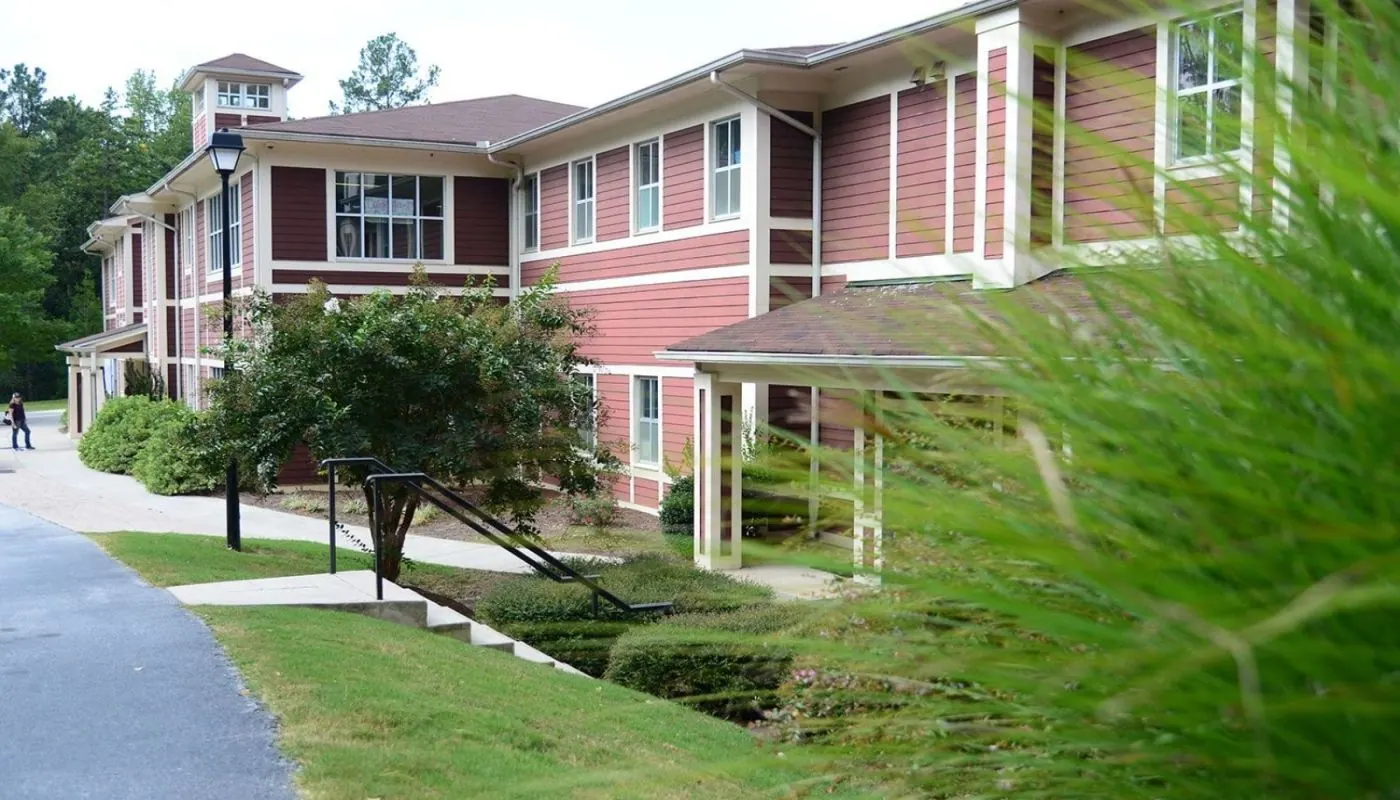
Youth Villages Douglasville is a residential campus for children and teens in Georgia. It sits among 264 treatment facilities listed for the state in SAMHSA data. This section explains which clients the program takes and what families should ask.
- Residential Rehab
- Co-Occurring Mental Health
- 60 days
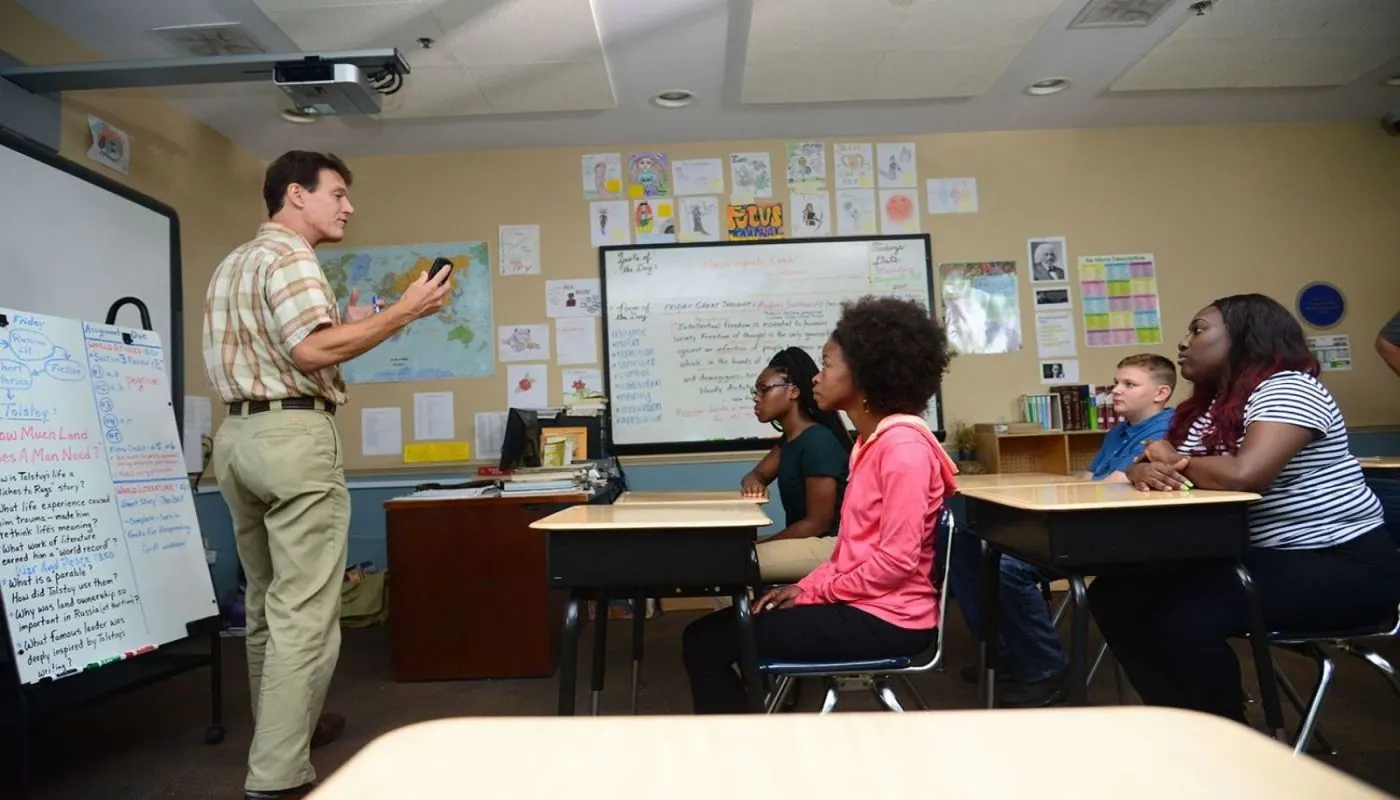
The Inner Harbour Campus in Douglasville is a residential program built for boys and girls between 6 and 17 who need steady structure and clinical attention. Many arrive with serious behavioral and mental health needs, including self-injury, suicidal thinking, aggression, or symptoms that resemble psychosis. Some children also have a substance use disorder, and the campus runs a separate treatment track for those cases.
Care blends close supervision with a paced daily routine at this Georgia addiction rehab center. Clinicians work from a trauma-informed point of view, so staff try to read difficult behavior as a signal rather than a label. Individual counseling, group work, family sessions, and recreation-based activities all feed into one plan for each child, and a discharge plan is prepared before the stay ends.
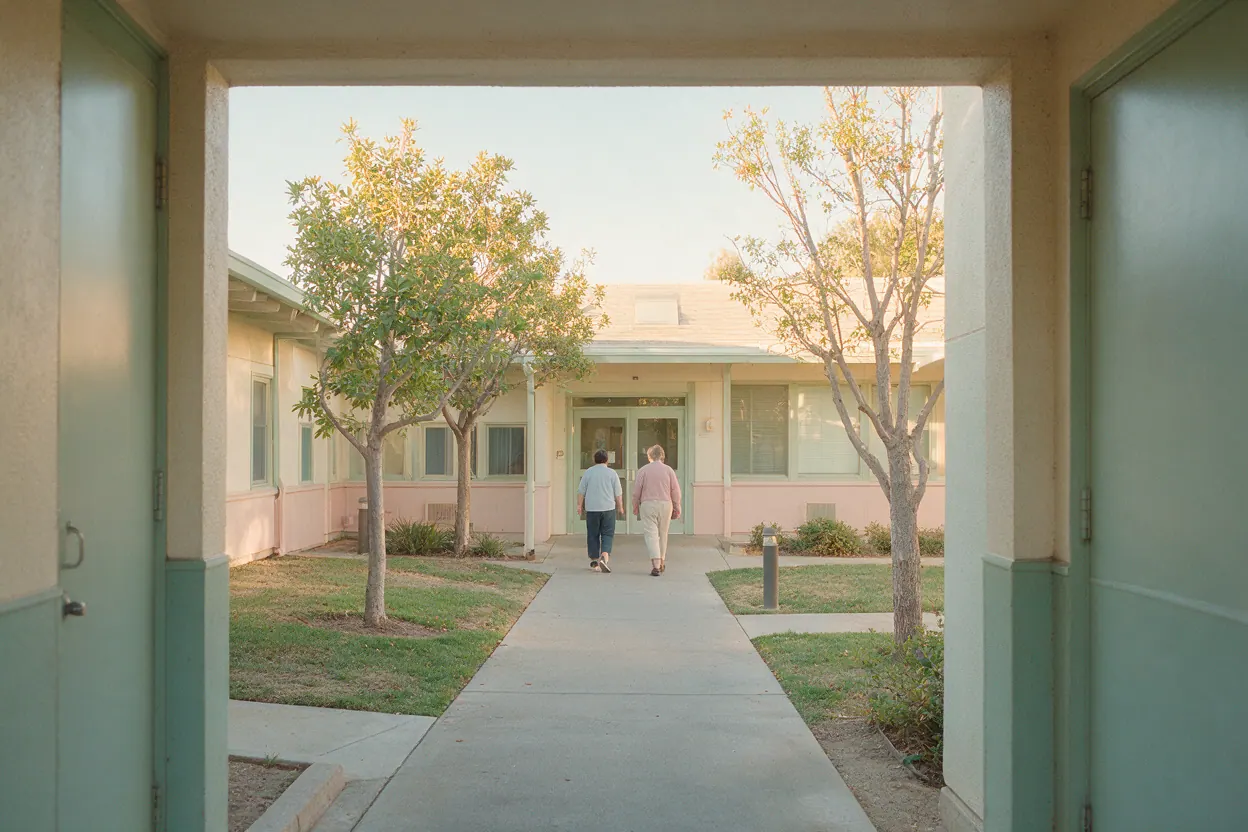
Children are placed in small peer groups of roughly 10 to 12, grouped according to gender, age, and diagnosis, and they share the daily schedule as a unit. The campus sits on wooded acreage near Atlanta, keeps its own school on the grounds, and leaves space for ordinary childhood experiences alongside therapy.
Programs and the therapies they use
Residential rehab is the primary level of care, and co-occurring mental health treatment runs alongside it, which makes this campus one of the rehab programs in Georgia able to address both needs at once. Therapy is evidence-based and includes individual counseling, family therapy, trauma-specific work, and life skills coaching.
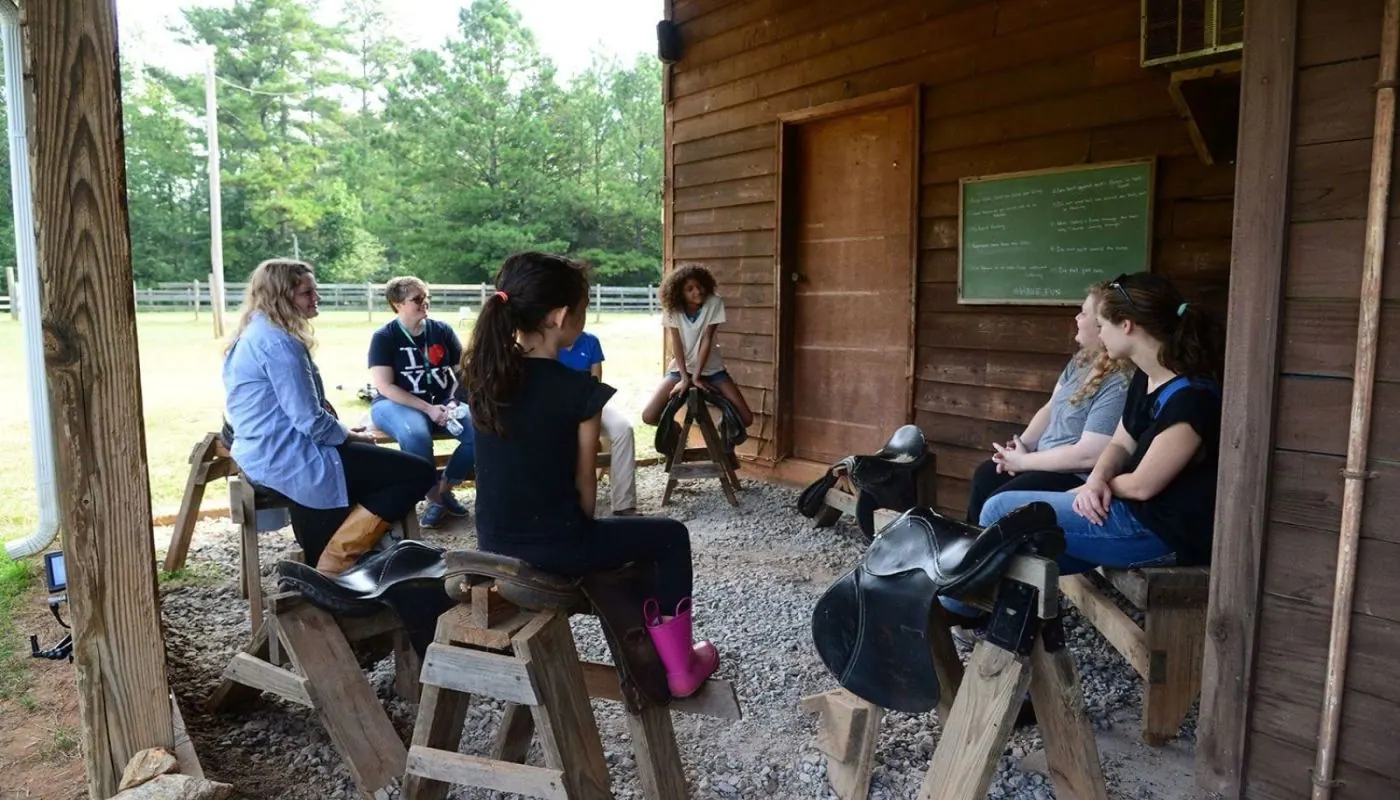
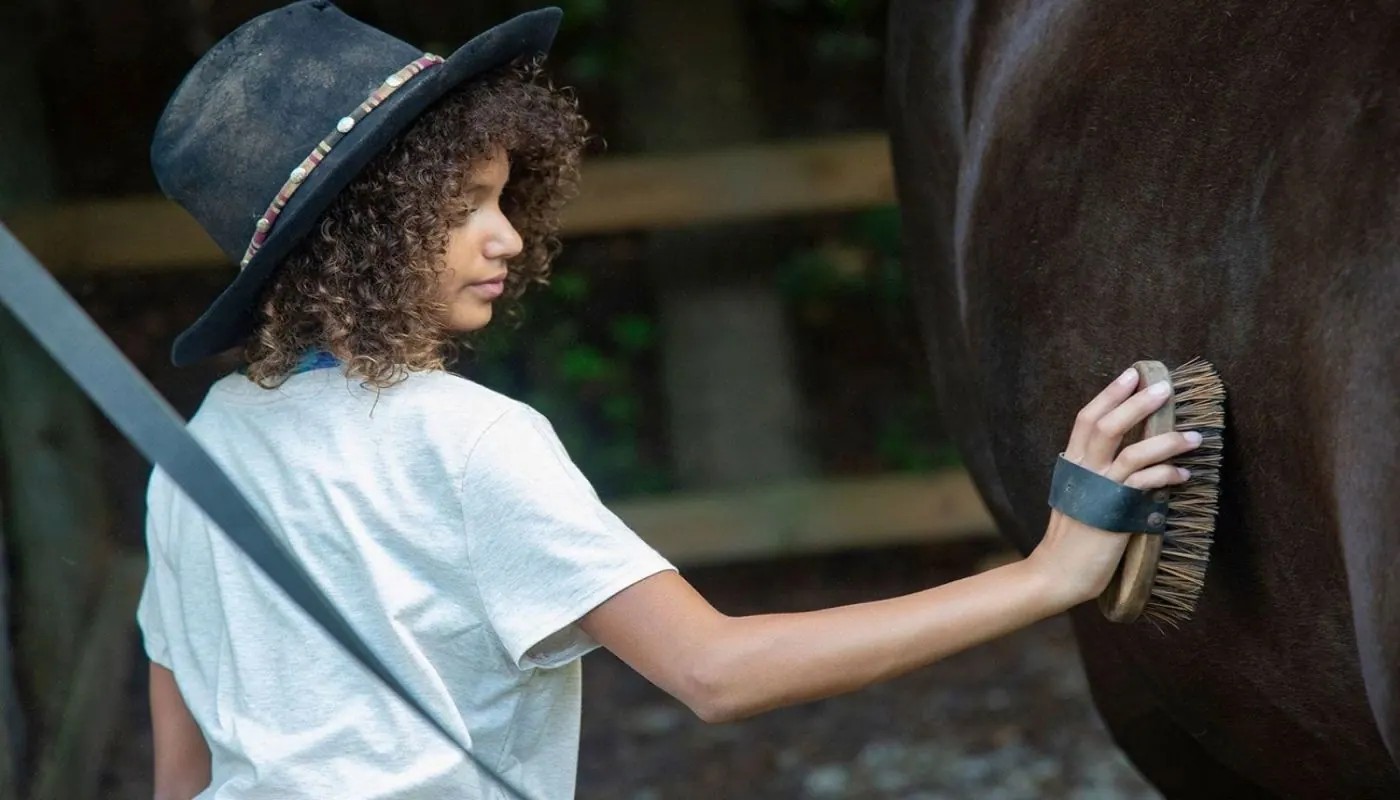
Much of the week is given over to therapeutic recreation, including equine therapy, animal therapy, music therapy, recreation therapy, and experiential activities such as climbing, hiking, and a ropes course. If your child deals with a mental health condition and also a substance use disorder, then look for a co-occurring diagnosis treatment plan like this one.
- Experiential Therapy
- Music Therapy
- Life Skills
- Trauma-Specific Therapy
- Evidence-Based
- Equine Therapy
- Family Therapy
- Gender-Specific
- Recreation Therapy
- Family Involvement
People this program is meant to serve
- Children and adolescents ages 6 to 17, both boys and girls
- Boys and girls dealing with serious mental health and behavioral difficulties
- Children who also have a substance use disorder, through the dedicated track
- Neurodivergent young people who need structure and support
- Kids with conditions such as ADHD, anxiety, depression, self-harm, or trauma
Treatment setting, duration, daily life
A typical program lasts 60 days, though a clinician decides whether a longer stay makes sense. The campus opened in 1962 and has shared rooms and shared bathrooms in a wooded setting with trails, outdoor space, a climbing wall, and equine and animal programs. When a child needs a calm residential setting near Atlanta, then a smaller peer group of 10 to 12 can feel more manageable than a large unit. Services are delivered in English.
- Rock Climbing Wall
- Access to Nature
- Walking Trails
- Outdoor Space
Payment options at Youth Villages
The campus lists self pay rates as a cash payment option, and families usually confirm the current figures directly with the center. If you want to use insurance for residential rehab, then the helpline can help you check whether a plan covers this level of care. This guide does not sell treatment or decide what a plan will pay.
Good questions before admission
- How does the co-occurring track differ from the general residential program?
- What does a typical week of therapy and school look like for my child?
- How are peer groups matched, and what happens if a match is not working?
- What does the discharge plan include, and how is family involved?
- What are the current cash pay rates, and what does insurance leave to us?
More centers worth a look
-
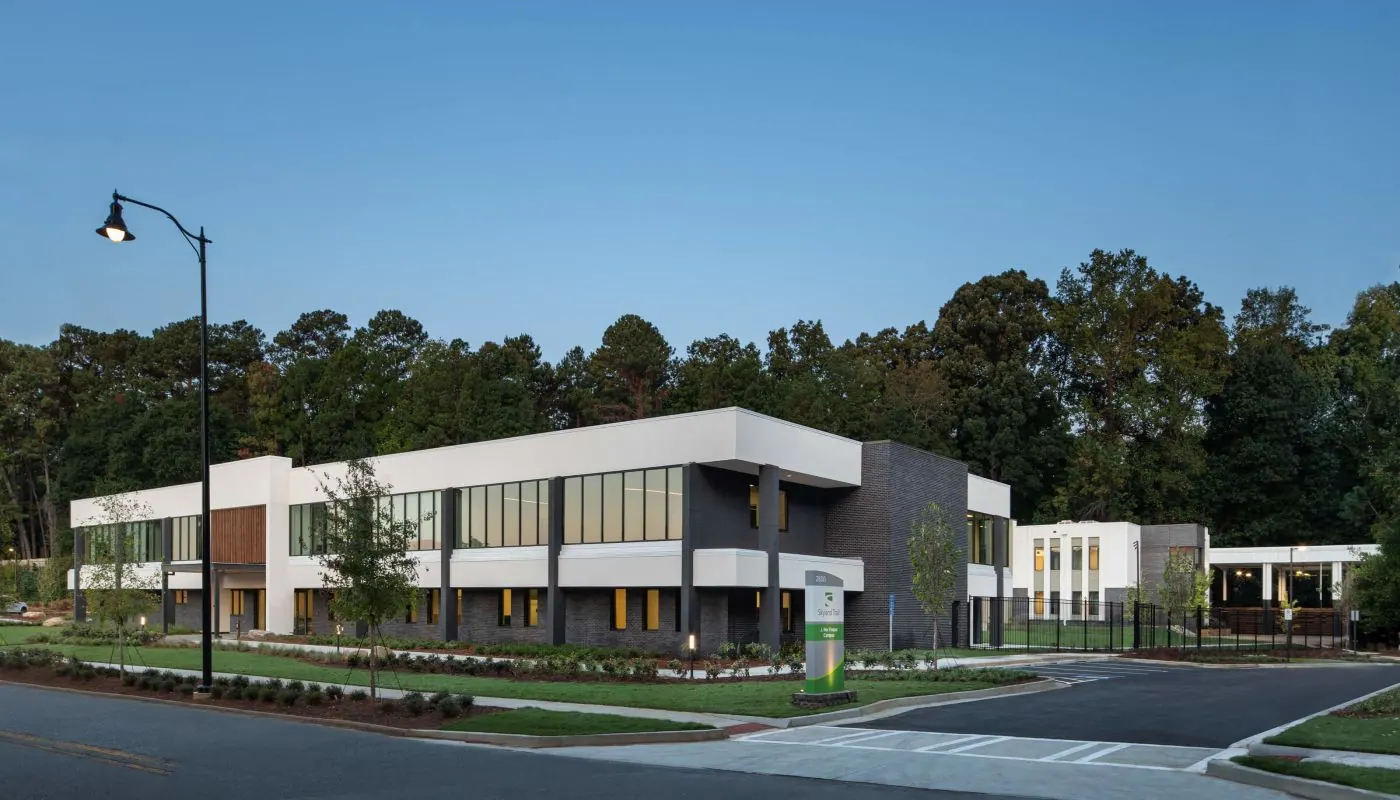
Skyland Trail J. Rex Fuqua Campus
Atlanta, GA30 days · 16-30 beds
- Joint Commission
- Residential Rehab
- Co-Occurring Mental Health
At this Atlanta campus, teenagers between 14 and 17 receive residential care.
View center -
The Recovery Village South Atlanta
Stockbridge, GA30 days
- Joint Commission
- Co-Occurring Mental Health
- Detox
The Recovery Village South Atlanta Stockbridge is a Georgia treatment center.
View center -
Green Acres Wellness
Alapaha, GA90 days
- Residential Rehab
- Co-Occurring Mental Health
- Detox
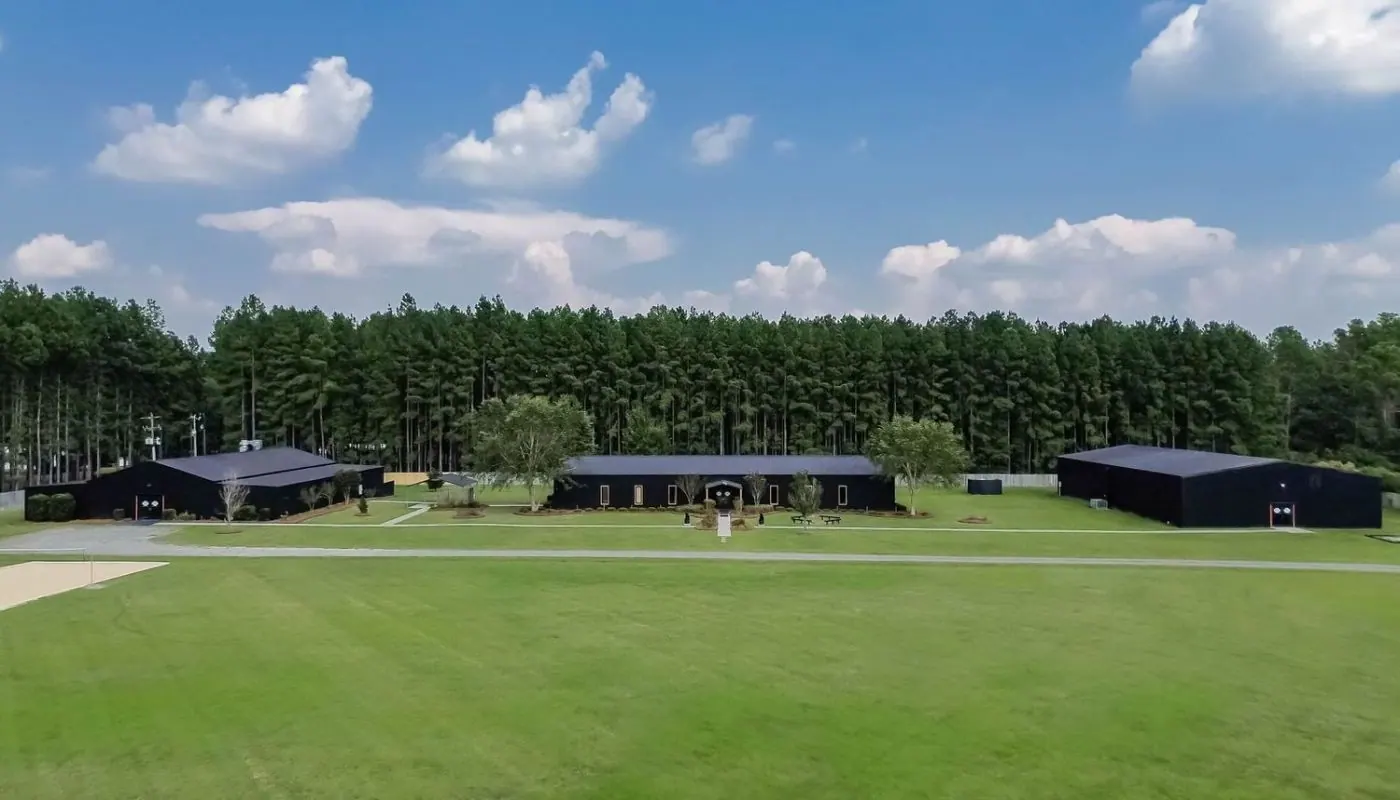
Green Acres Wellness Alapaha opened in 2023 as a residential program in South Georgia.
View center -
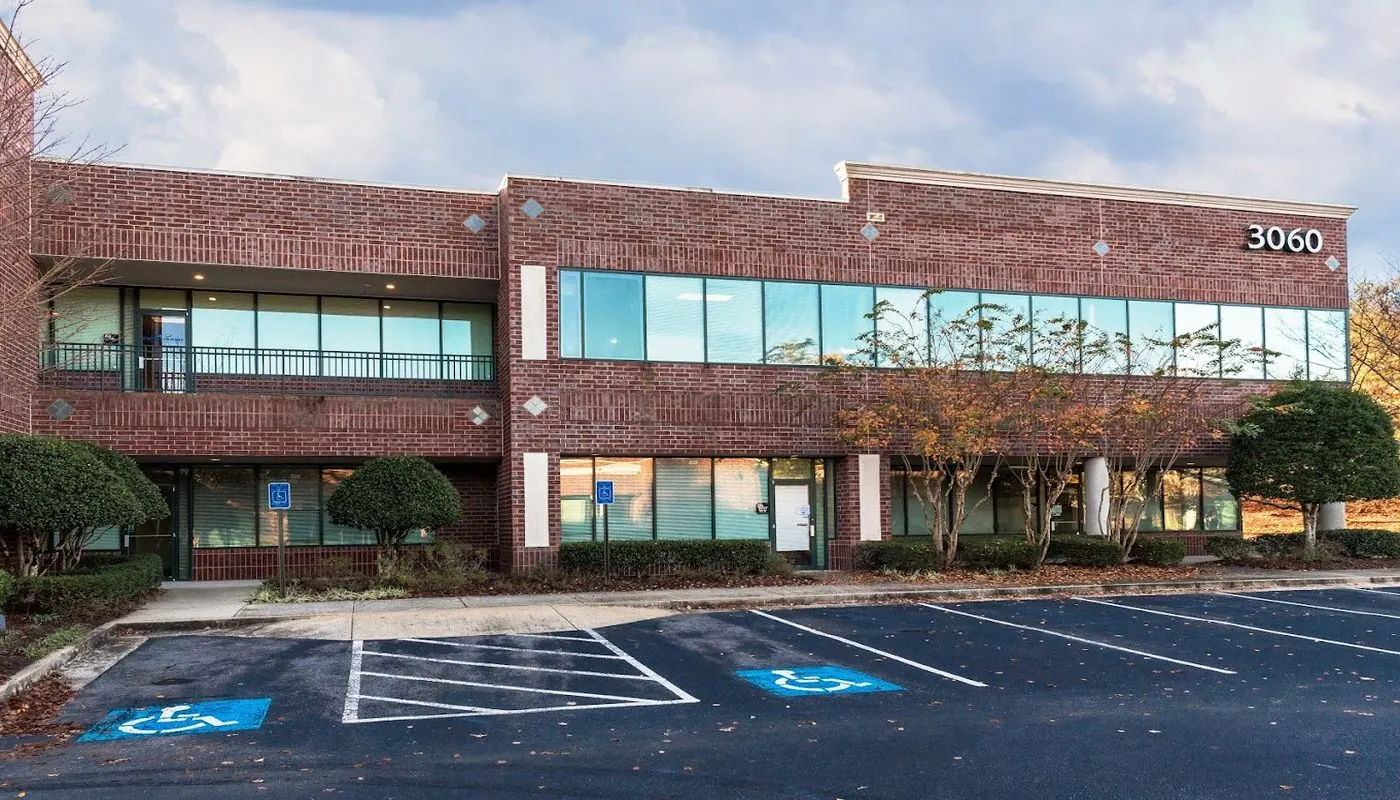
Focus Forward Counseling Alpharetta
Alpharetta, GA30 days · 2-5 beds
Focus Forward Counseling Alpharetta is an outpatient counseling practice located in Alpharetta, Georgia.
View center -
- Joint Commission
- Co-Occurring Mental Health
- Detox
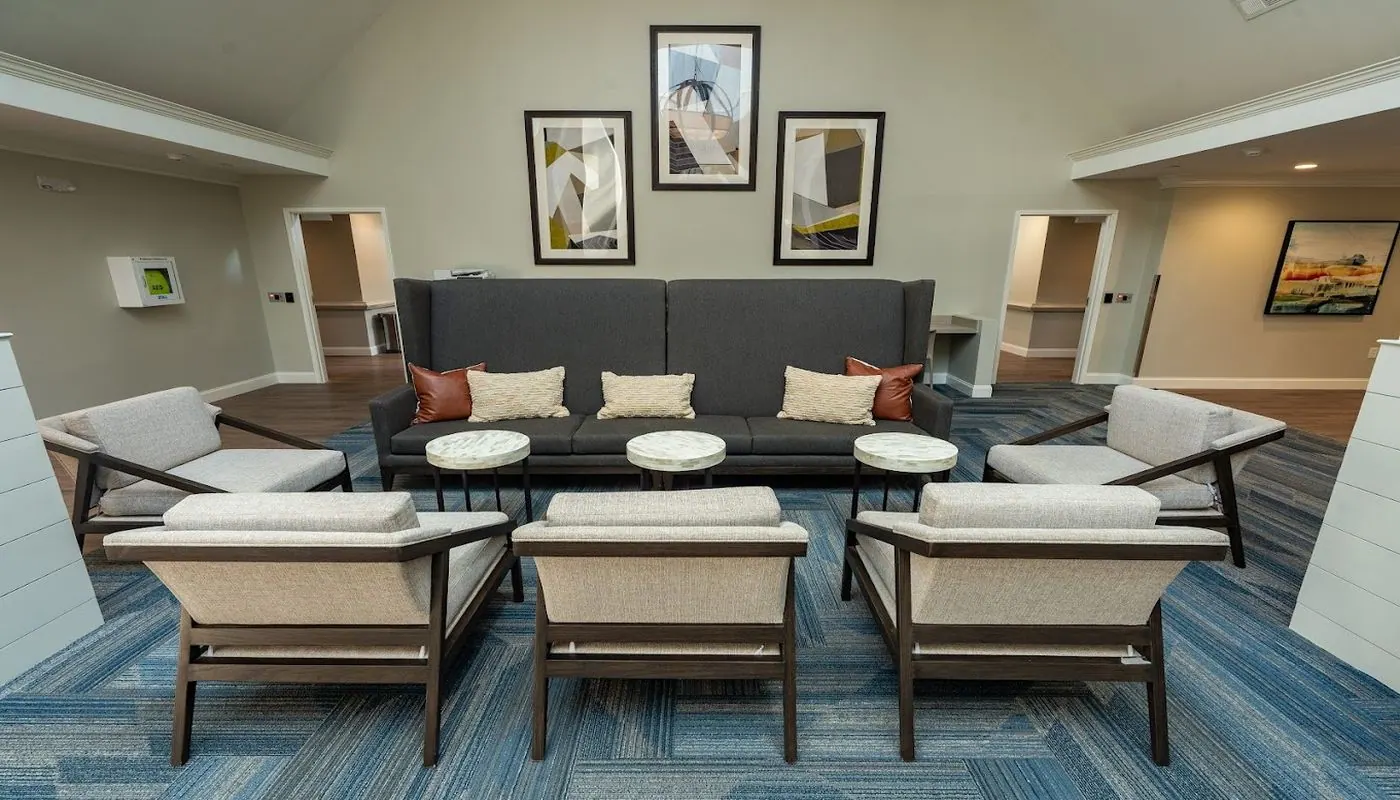
The Recovery Village Atlanta Roswell sits on Pointe Place in Roswell, Georgia.
View center -
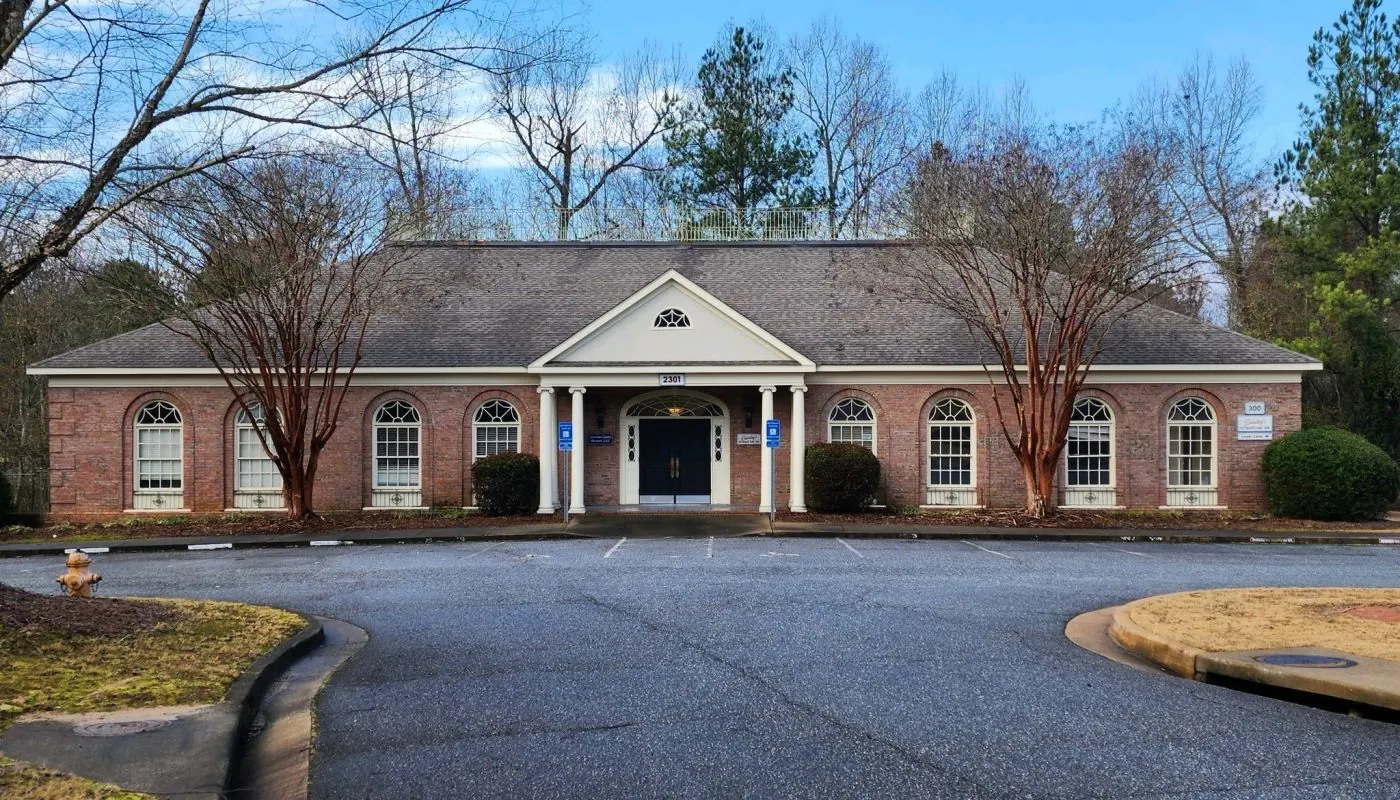
Ellie Mental Health Columbus
Columbus, GA90 days
- Outpatient
Ellie Mental Health Columbus is an outpatient counseling practice in Columbus, Georgia.
View center
Good to know
Does Youth Villages Douglasville accept Georgia Medicaid for residential rehab?
The listing includes cash pay rates but stays silent on whether Georgia Medicaid is taken, so families should ask the center straight out. Coverage for residential rehab under Medicaid differs by level of care and based on plan, and a facility has to be enrolled before it can bill. The helpline can help you make the call and confirm before you plan a visit. This site does not approve coverage or rule on eligibility.
Is Youth Villages Douglasville one of the rehab centers in Georgia that treats substance use?
Yes. The campus treats drug addiction, alcohol use, and co-occurring disorders through a dedicated pathway for young people who also have mental health needs. Its main focus is residential care for children and adolescents ages 6 to 17. It is one of 264 treatment facilities listed for Georgia in SAMHSA data, and the count changes as listings update.
What does a typical stay at this Douglasville rehab center involve?
Stays commonly last around 60 days. Children are housed in peer groups grouped by gender, age, and diagnosis, go to a state-accredited school on the grounds, and receive individual, group, and family counseling along with recreation, equine, and animal-assisted programs. Planning for discharge begins near the close of the stay. How long someone stays can shift depending on clinical need.
How do I check availability at Youth Villages Douglasville?
Call the helpline at any hour and a trained advisor will contact the center to ask about open beds and current rates. Calling is free and confidential. Have your child's age, diagnosis, and insurance details ready so the questions are specific. No one can promise admission or a set outcome.
What is the 1013 law in Georgia and could it apply to my child?
Georgia's 1013 law allows a physician or authorized clinician to order an emergency evaluation when someone poses a danger to themselves or others. For a child, this typically unfolds through a hospital or crisis service. It is not a routine step for admission to a residential program like this one. Ask the center how they handle crises and whether they coordinate with emergency evaluators.
Speak with someone before you decide
If you are weighing residential rehab for a child in Georgia, then a short call can narrow the field and save you repeated paperwork. People staff our helpline at all hours, and they are not clinicians and do not diagnose. Their role is to connect you with licensed providers at no charge, and whatever you discuss remains between you and them. Nothing gets booked and you owe nothing once you hang up.