Turning Point Care Center S Moultrie
Families all over Georgia frequently want a straightforward answer about care close to home. Turning Point Care Center S Moultrie is among 264 SAMHSA-listed facilities in the state. Here you will find what the center offers and how to verify the specifics.
- Joint Commission
- Detox
- 30 days
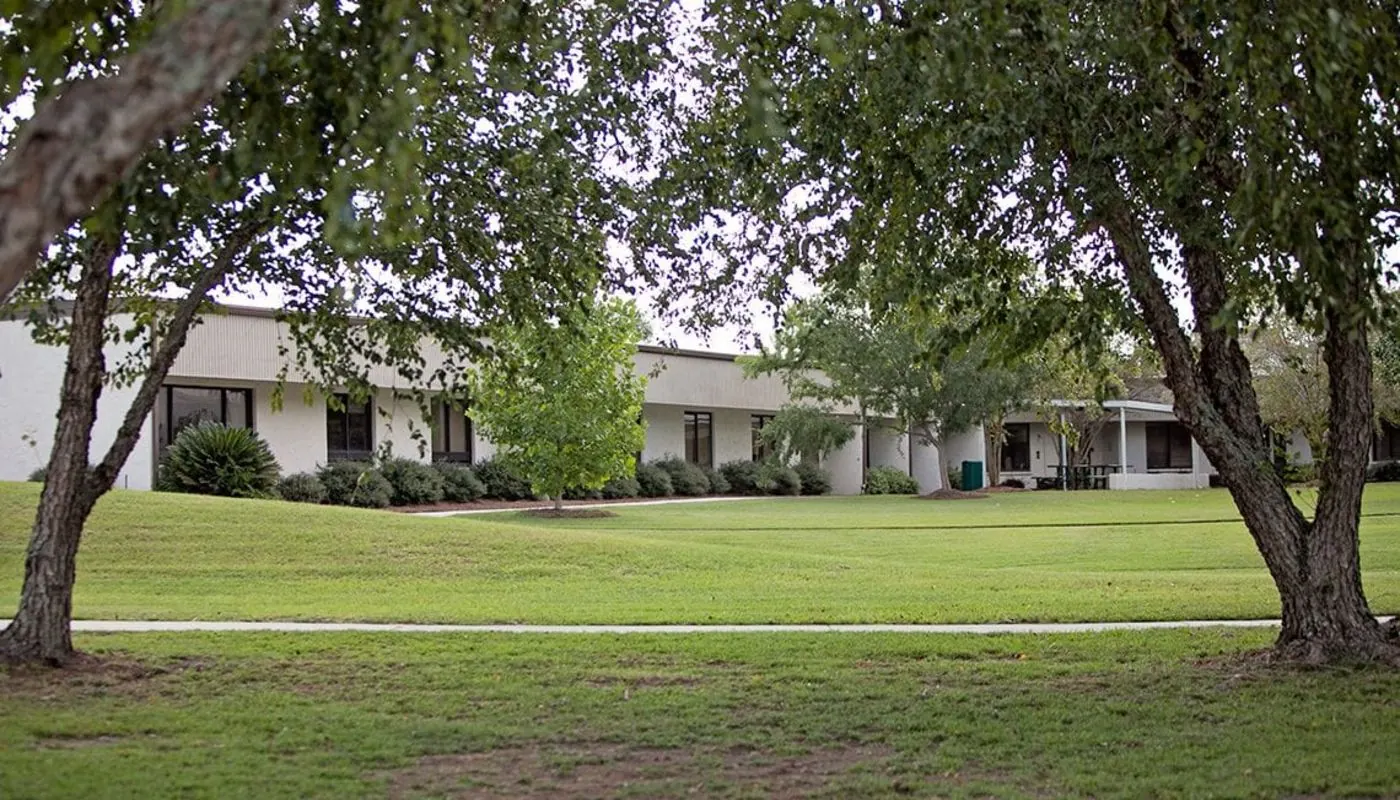
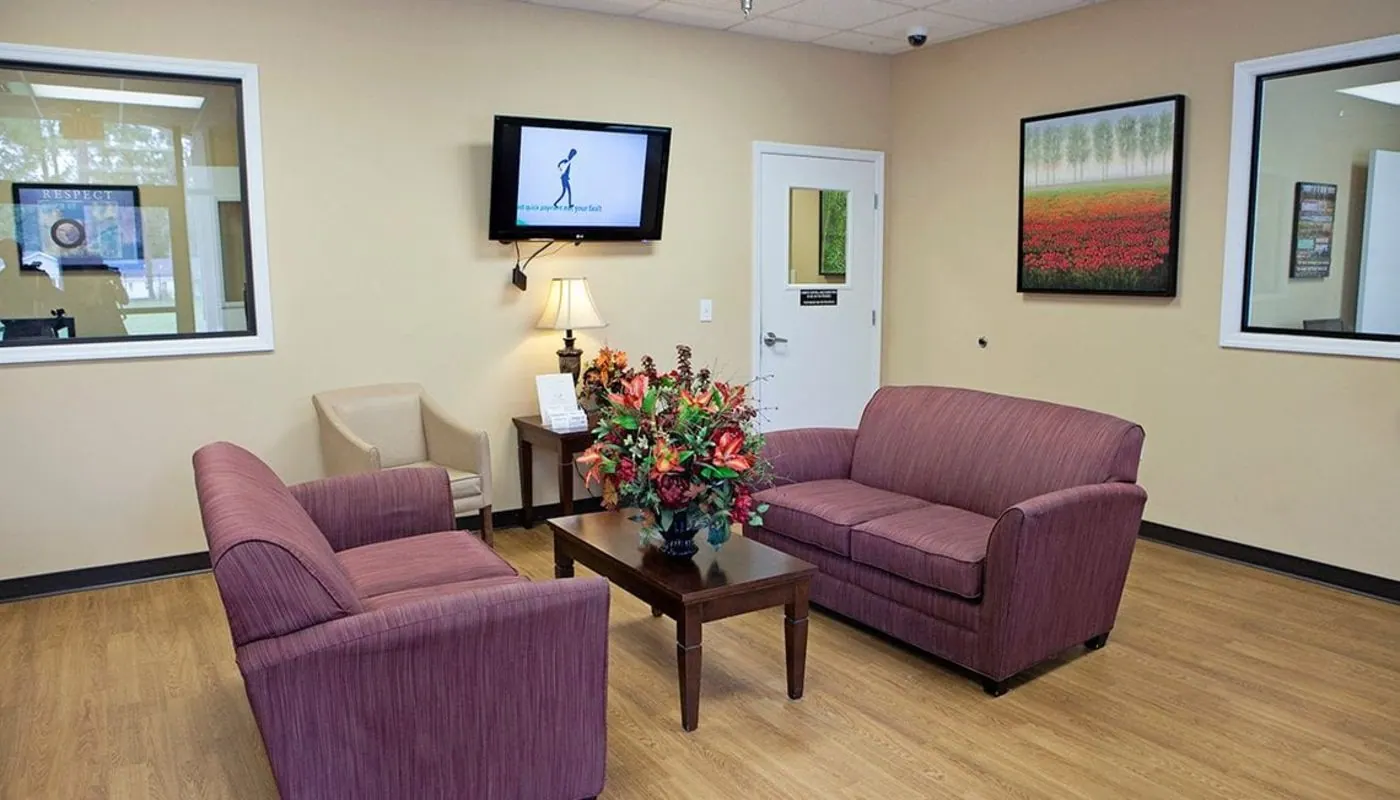

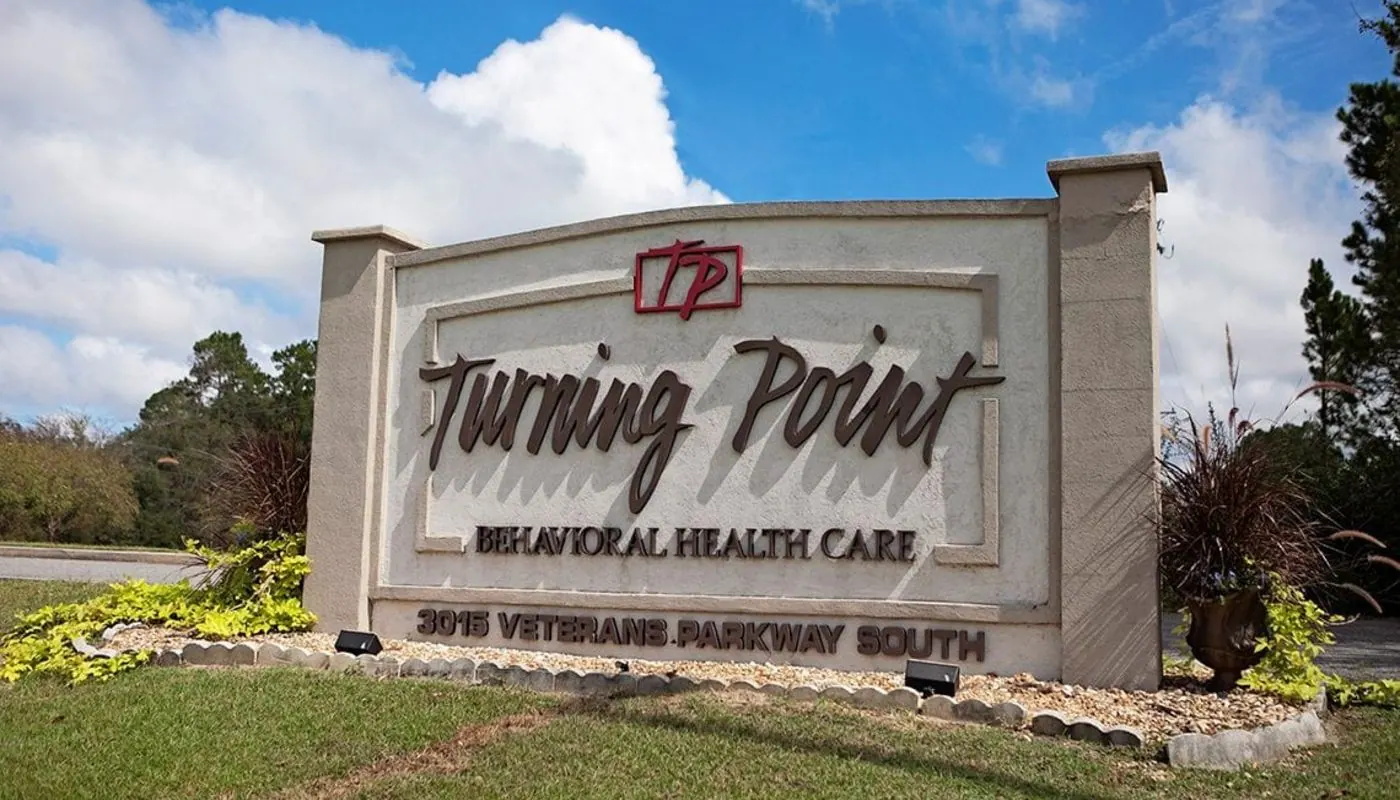
Turning Point Care Center is for adults dealing with substance use, mental health conditions, or the two together. The center says its services cover a wide span, from psychiatric care on an inpatient basis to counseling on an outpatient basis, and planning reflects what each person brings with them and what they hope to achieve. If you are not sure how to begin, you can simply walk in for an assessment.
Located in a rural part of south Georgia, the campus offers a calmer environment that the center describes as part of its support during treatment. Staff are said to be present at all hours, and clients recover alongside one another in a respectful community. Through a virtual outpatient program, people can maintain their daily obligations while remaining linked to professional care.
Programs at this Georgia rehab
Detox is one of the care options, and the clinical team blends evidence-based approaches with supportive practices. Therapies include group therapy cognitive behavioral therapy family therapy dialectical behavior therapy, Twelve Step facilitation, relapse prevention counseling, and counseling individually with a clinical psychologist. For alcohol rehab in Georgia, medically monitored detox is often the safest place to begin, because detox from alcohol and benzodiazepines can be unsafe when no clinician is watching. That stretch should be guided by clinical supervision, not managed by a family at home. If your relative drinks heavily or takes benzodiazepines every day, ask how withdrawal will be monitored before any other decision is made.
The center also lists creative and movement-based offerings, such as art therapy, recreation and yoga, that sit beside the formal clinical program. When weighing drug rehab centers in Georgia, find out which therapies show up in the weekly schedule, instead of presuming each offering is part of every plan. For a person with a dual diagnosis, it is worth asking how behavioral health treatment and addiction care are woven into a single plan. Continuing care covers group counseling, outpatient services and peer support gatherings, and the activities calendar notes AA and NA meetings.
- Cognitive Behavioral Therapy
- Relapse Prevention Counseling
- 1-on-1 Counseling with Clinical Psychologist
- Twelve Step
- Family Therapy
- Group Therapy
- Evidence-Based
- Individual Treatment
- 1-on-1 Counseling
- Twelve Step Facilitation
People this center is designed to serve
- Adult men and women, with programming listed for men and for women
- People who have concerns about alcohol, benzodiazepines, cocaine, heroin, marijuana, methamphetamine, or opioids
- Adults with co-occurring conditions such as depression, bipolar disorder, anxiety, ADHD, grief and loss, schizophrenia, or personality disorders
- People who need detox as a first step before longer-term care
- Adults seeking residential care in a rural south Georgia setting
- People who want aftercare, including outpatient treatment and support meetings
Length of stay, rooms, and setting
Most programs last 30 days, and residents stay in shared rooms that have air conditioning. The property includes gardens, walking trails, an outdoor lounge and access to nature. Services are offered in english and this is accredited by the Joint Commission center. If a 30-day residential program in Georgia fits your family's situation, ask what the daily routine looks like before you make up your mind. If your relative needs to stay longer, ask how that decision gets made and whether the plan would change.
- Gardens
- Walking Trails
- Outdoor Lounge
- Access to Nature
Paying for care at Turning Point
Medicare is one of the center's specializations, and you should confirm payment options directly with the center. Out-of-pocket costs and coverage vary by level of care and by plan, so our helpline can help you learn what your plan might cover. When you call be sure to have your insurance card so the advisor can help you ask the right questions about coverage for detox or residential care in Georgia. If your plan turns down a level of care, ask for the reason in writing and for what the center would need to have it reviewed again.
Good questions before admission
- Does my plan cover detox and residential treatment here, and what would we owe?
- How is medical oversight handled during withdrawal from alcohol or benzodiazepines?
- What does a typical day include, and which therapies are part of my relative's specific plan?
- How does the center coordinate aftercare, including outpatient treatment and support meetings?
- What should the family know about visiting, communication, and the 30-day program length?
- How are mental health conditions treated alongside substance use in one plan?

More centers worth a look
-

Skyland Trail J. Rex Fuqua Campus
Atlanta, GA30 days · 16-30 beds
- Joint Commission
- Residential Rehab
- Co-Occurring Mental Health
At this Atlanta campus, teenagers between 14 and 17 receive residential care.
View center -

The Recovery Village South Atlanta
Stockbridge, GA30 days
- Joint Commission
- Co-Occurring Mental Health
- Detox
The Recovery Village South Atlanta Stockbridge is a Georgia treatment center.
View center -
Green Acres Wellness
Alapaha, GA90 days
- Residential Rehab
- Co-Occurring Mental Health
- Detox
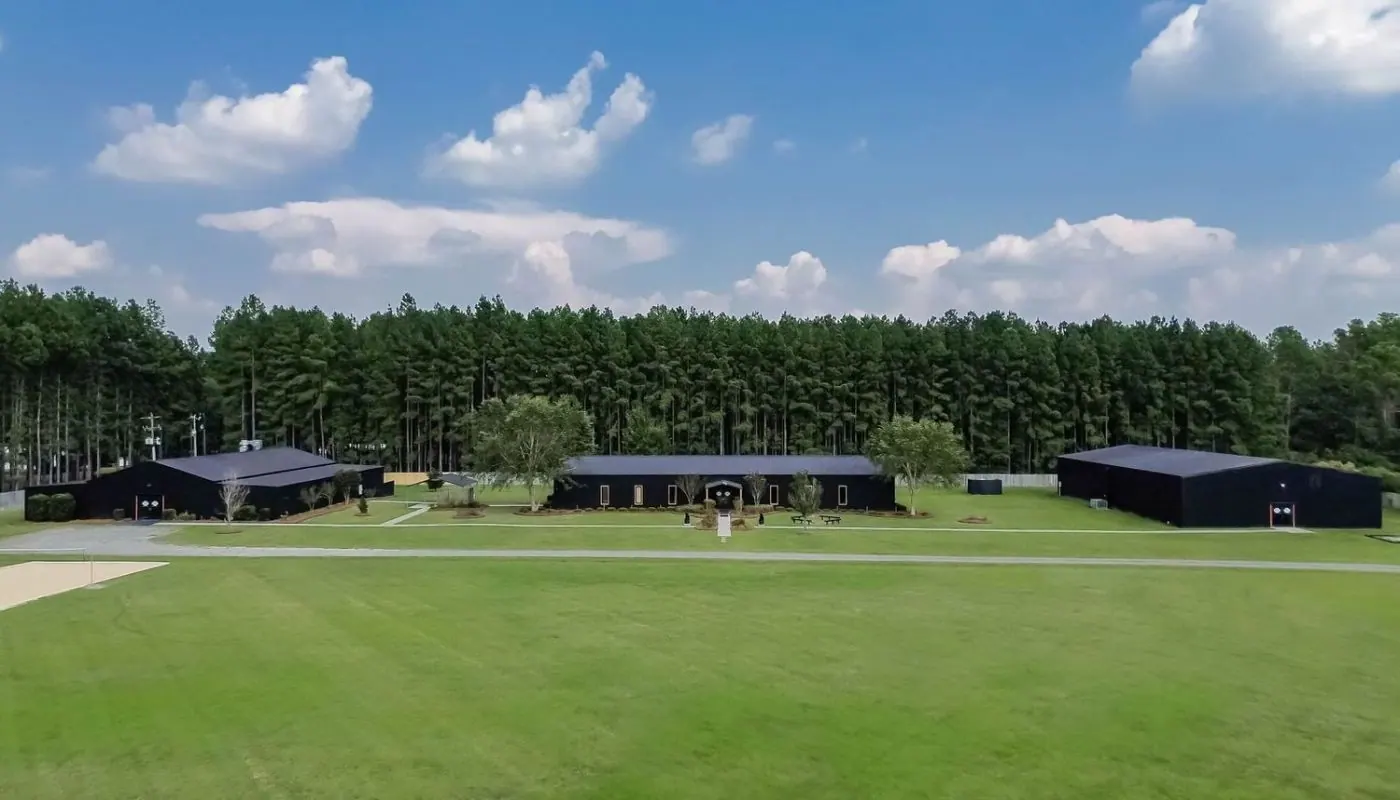
Green Acres Wellness Alapaha opened in 2023 as a residential program in South Georgia.
View center -
Focus Forward Counseling Alpharetta
Alpharetta, GA30 days · 2-5 beds
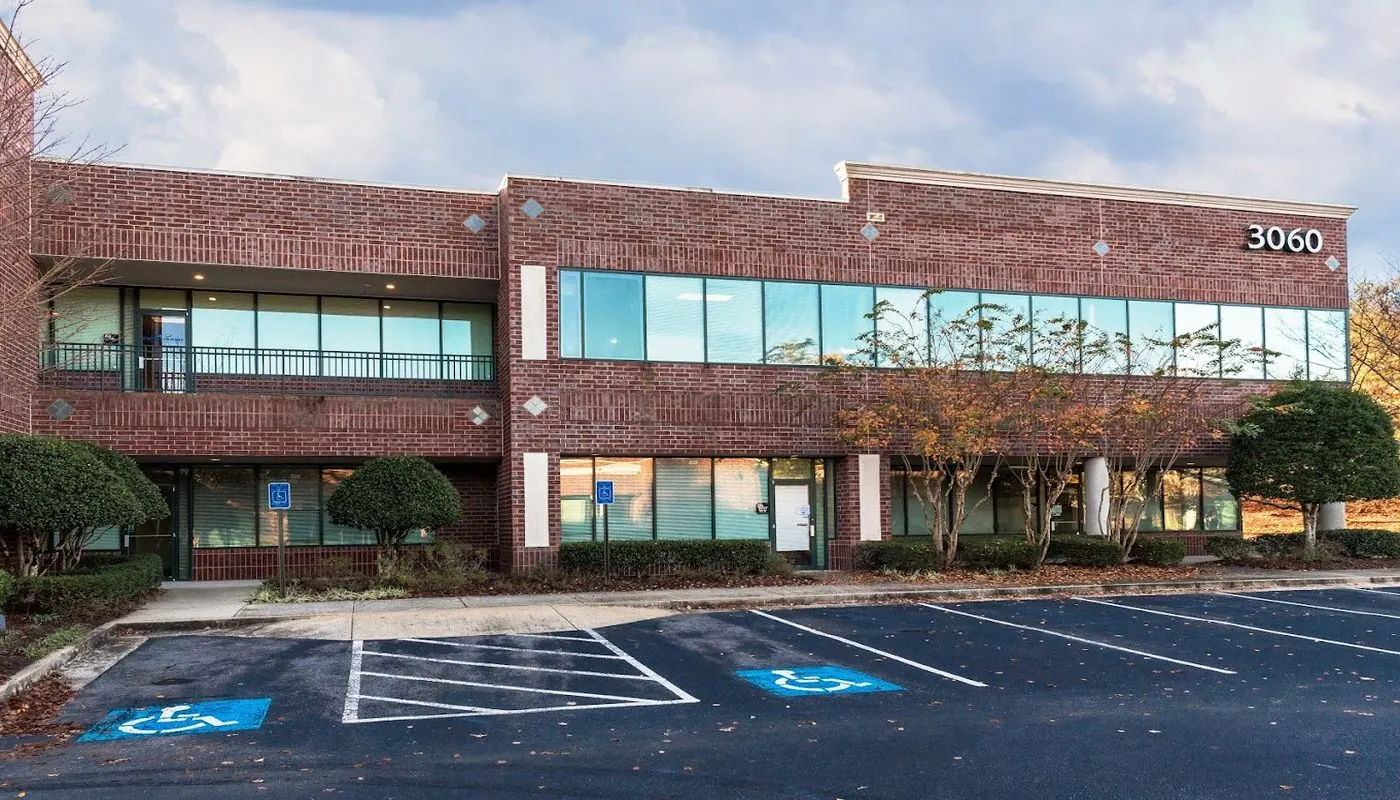
Focus Forward Counseling Alpharetta is an outpatient counseling practice located in Alpharetta, Georgia.
View center -

- Joint Commission
- Co-Occurring Mental Health
- Detox
The Recovery Village Atlanta Roswell sits on Pointe Place in Roswell, Georgia.
View center -

Ellie Mental Health Columbus
Columbus, GA90 days
- Outpatient
Ellie Mental Health Columbus is an outpatient counseling practice in Columbus, Georgia.
View center

Good to know
Does Turning Point Care Center S Moultrie offer detox?
Detox is listed among the center's care options. Alcohol or benzodiazepine withdrawal can become medically serious, so clinical supervision should guide it instead of a family managing it at home. The helpline can help you ask how detox is staffed and what monitoring is in place, and nothing is required of you.
What does a typical program length look like at this Georgia rehab?
Programs usually last 30 days, although an individual plan may vary according to clinical needs. If you are arranging time off from work or family, call the helpline to ask how length of stay gets decided and which aftercare options come next, such as outpatient treatment or support meetings.
Does Georgia Medicaid pay for inpatient rehab?
This center's information shows Medicare as one of its specializations, though the state Medicaid program is absent from that list. What you pay depends on your specific plan and the intensity of services. At no cost, and without signing anything, the helpline can assist you in checking your benefits and asking which payment methods the center takes.
How many rehab centers are listed in Georgia?
There are 264 facilities listed on SAMHSA FindTreatment.gov for Georgia as of the data date. That count spans detox, residential programs, and outpatient counseling. The helpline can help you compare options near S Moultrie and work out which level of care fits your situation.
Can I get help in Spanish at this center?
According to the listed information, services are provided in English. Should language access be important for your family, ask before you schedule anything. The helpline can help you bring up that question as well as coverage and availability, and the call is free of charge and kept private.
What conditions does the center treat besides addiction?
The center treats mental health needs that sit alongside substance use, such as depression, bipolar disorder, anxiety, ADHD, grief and loss, and personality disorders. If your relative has a dual diagnosis, ask how one plan covers both concerns, since treating only one side often leaves the other unaddressed.
Talk with someone in S Moultrie
Trained advisors answer the helpline 24/7 and connect callers with licensed treatment providers. Calls are free, remain private, and commit you to nothing. They can help you ask Turning Point Care Center S Moultrie about availability, insurance coverage, and what admission would involve. This website is not a medical center and does not diagnose. The goal is to get you clear answers so your family can decide the next step.