Skyland Trail South Campus Decatur
Skyland Trail South Campus Decatur provides residential care for mental health and substance use. It holds 16-30 beds and opened in 1989 in Decatur, Georgia. Here is how the program works and how to call.
- Joint Commission
- Residential Rehab
- Co-Occurring Mental Health
- 30 days
Skyland Trail South Campus operates in Decatur as part of a larger nonprofit mental health organization with a national reputation. The program treats mental health conditions together with substance use concerns, building an individual plan for each resident rather than applying one template to everyone. Care blends evidence-based practice with attention to the whole person, and family members are treated as part of the picture.
Much of the day is structured like a classroom. Residents learn about their own conditions in plain language, then practice concrete skills for handling daily stress and lowering the chance of relapse. Staff are on hand around the clock. The campus sits roughly 8 miles northeast of downtown Atlanta, near the Atlanta VA and Lullwater Preserve, which keeps it reachable for families across the metro area.
Programs at this Georgia rehab
Adults who need a stable home while addressing mental health and substance use together are the focus of the center's residential rehab track. Therapy includes cognitive behavioral and dialectical behavior approaches, acceptance and commitment therapy, trauma-specific work, art therapy, group counseling, psychoeducation and practice with life skills. Every resident meets weekly with a licensed psychiatrist and a therapist.
Programming is individualized and trauma informed, with gender-specific group options and peer-led LGBTQ+ support. As people stabilize, the team plans a step-down into continuing care, outpatient treatment and aftercare groups.
- Group Therapy
- Holistic
- Gender-Specific
- Trauma-Specific Therapy
- Evidence-Based
- Psychoeducation
- Cognitive Behavioral Therapy
- Life Skills
- Dialectical Behavior Therapy
- Art Therapy
Who this Decatur program is designed for
- Adults living with anxiety bipolar disorder post traumatic stress disorder or depression
- People living with schizophrenia, personality disorders or suicidal thoughts who need structured support
- Men and women with a co-occurring substance use disorder involving alcohol or drugs
- LGBTQ+ adults seeking a program that affirms their identity
- People grieving a loss or working through trauma alongside mental health care
What daily life looks like on campus
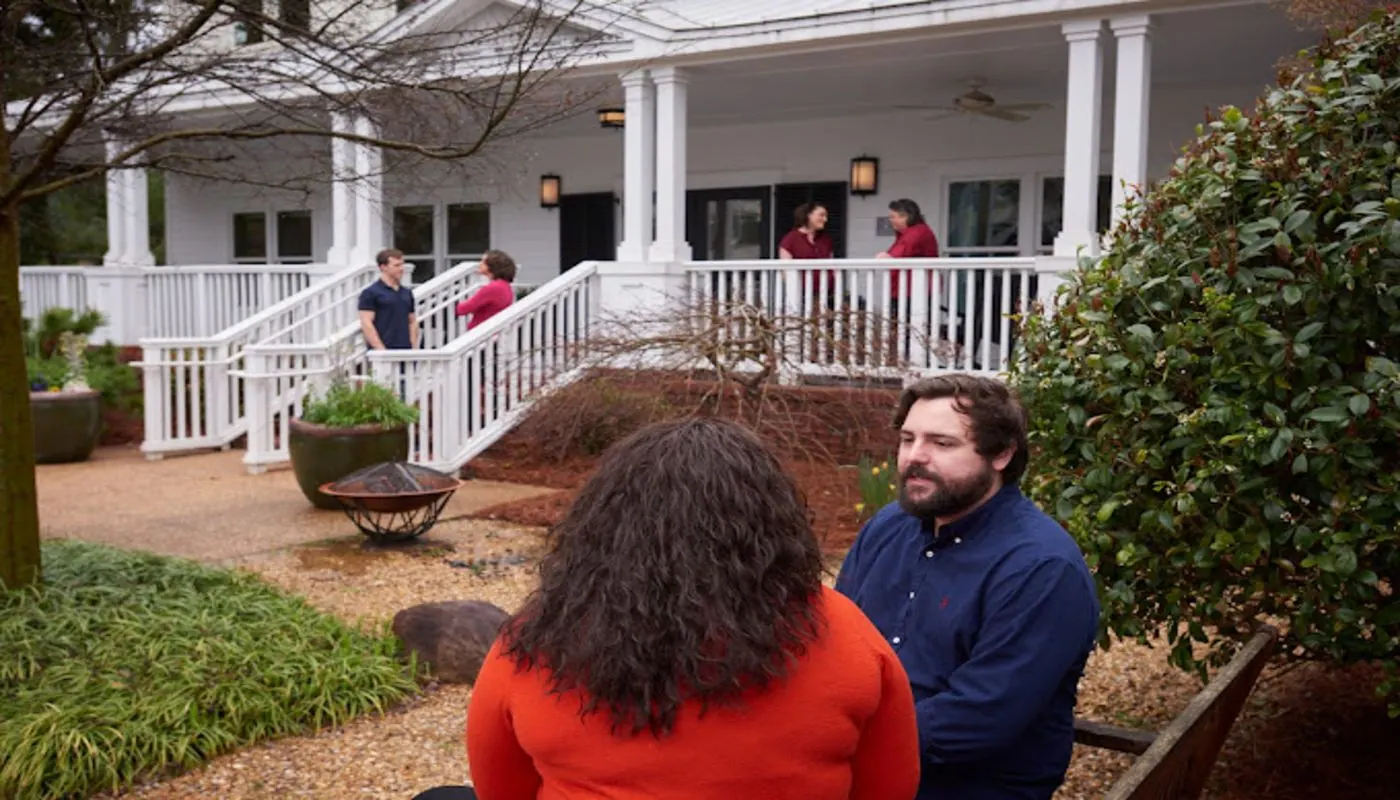
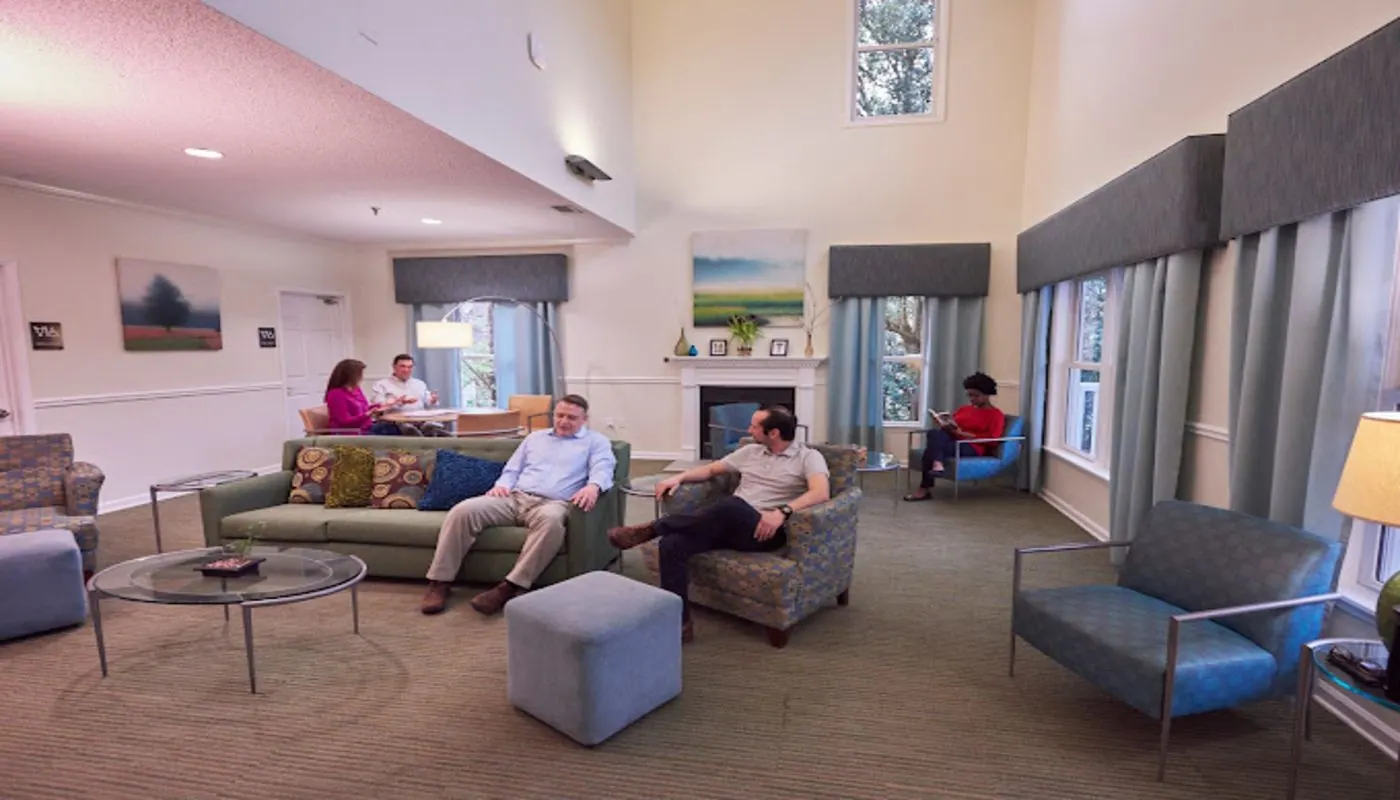
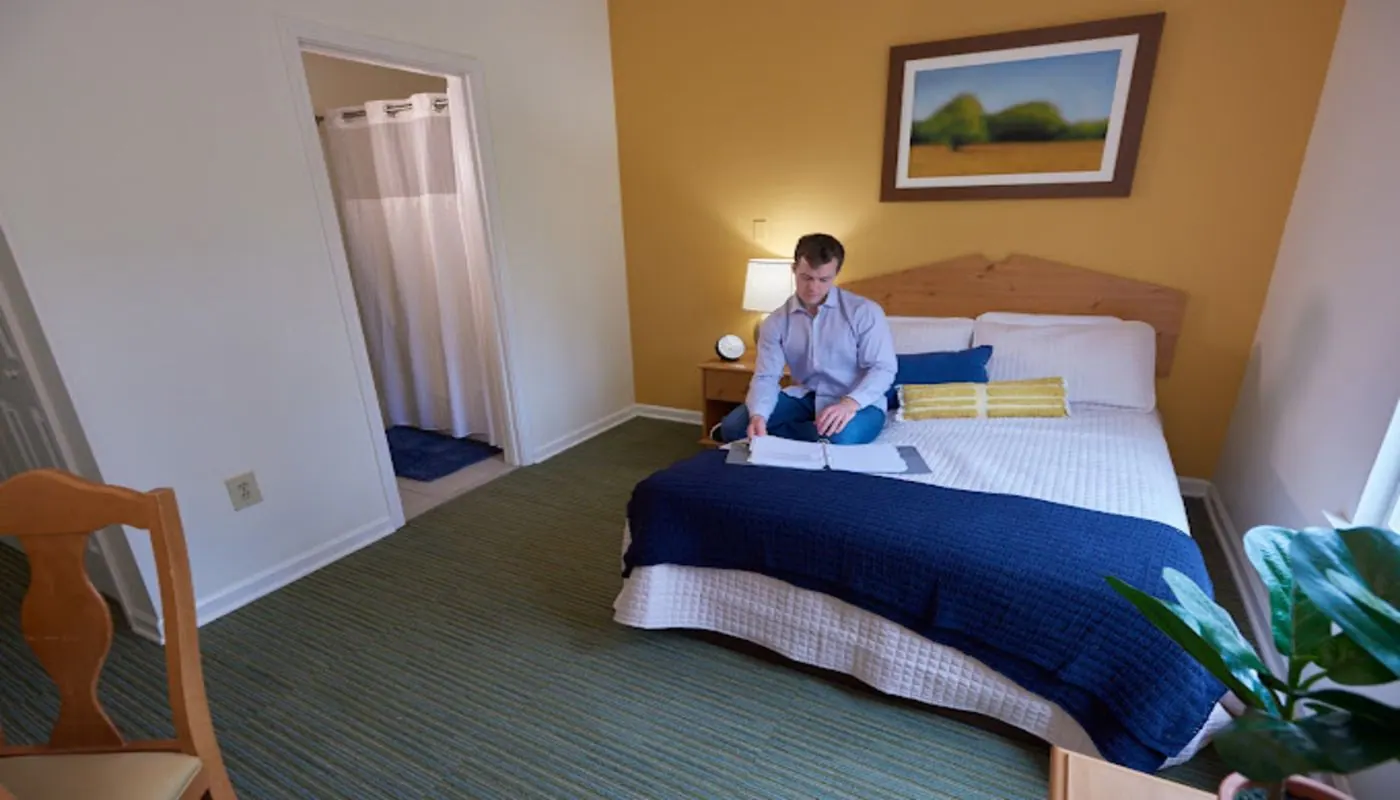
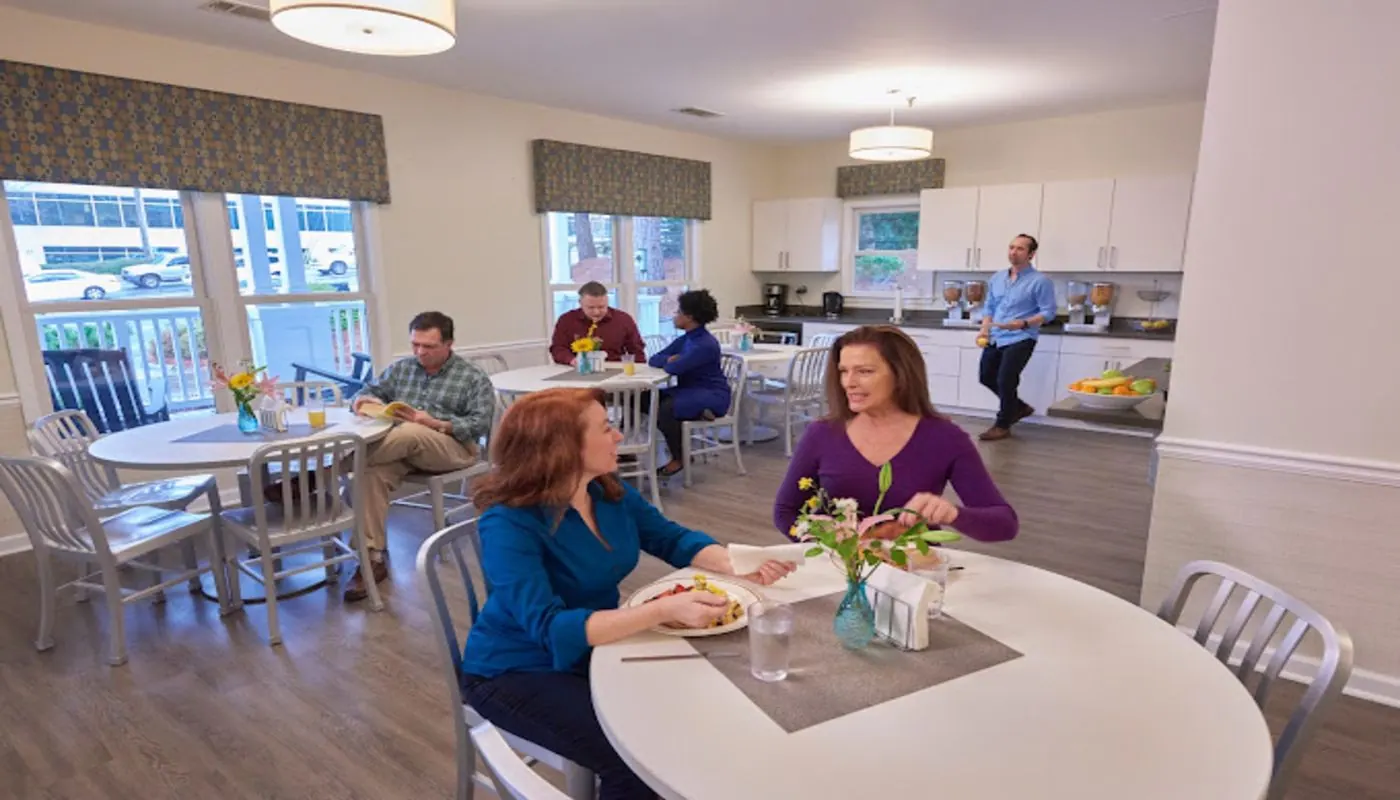
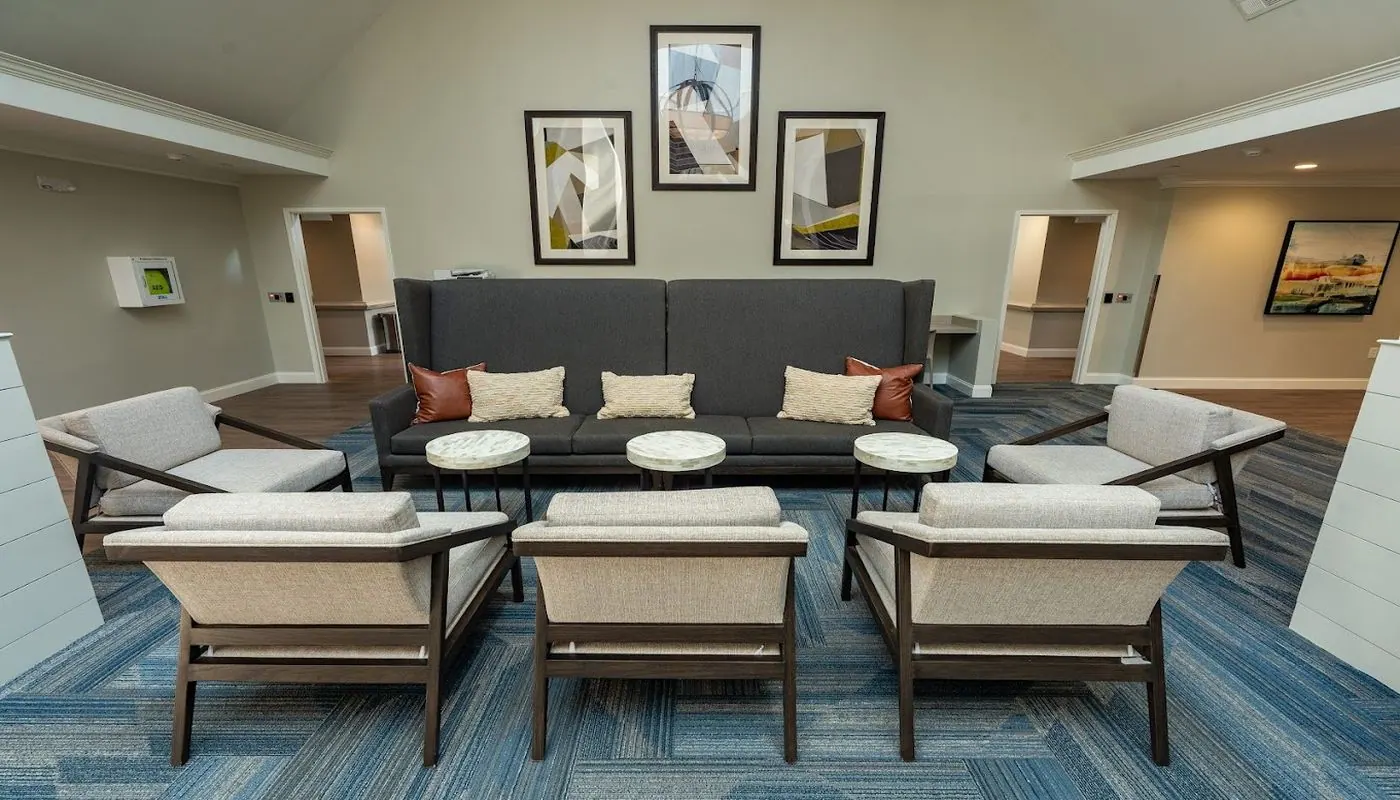
Residents have private bedrooms with en suite bathrooms. The grounds include gardens, outdoor dining and lounge areas, a fitness center and a front porch, along with indoor lounge and TV space and access to nature. Licensed nursing and residential staff are present at all hours. Stays typically run about 30 days according to the listing, though the center describes longer residential courses of 8 to 12 weeks followed by day treatment. Some programming happens at the Charles B. West Campus a little over 3 miles away. Services are offered in English.
- Fitness Center
- Outdoor Dining
- Lounge
- Outdoor Lounge
- Luxury
- Access to Nature
- Gardens
- TV
How to pay for care here in Decatur
Self-payment is accepted, and the center says it contracts with the majority of large private insurers; it also notes that financial aid might assist eligible households with out-of-pocket bills. Since what is covered depends on your policy and on which services are approved, ring the helpline so benefits can be verified ahead of any booking. In Georgia, Medicaid benefits differ from one program to another, so ask whether it applies at this location instead of taking it for granted.
Good questions before admission
- What insurance plans does the center work with, and how much of the cost will fall to me?
- How much programming happens at the South Campus versus the Charles B. West Campus?
- How does the team decide when someone steps down to day treatment or outpatient care?
- Are gender-specific and LGBTQ+ peer groups running during my family member's stay?
- What does financial assistance cover, and what documentation is required?
More centers worth a look
-
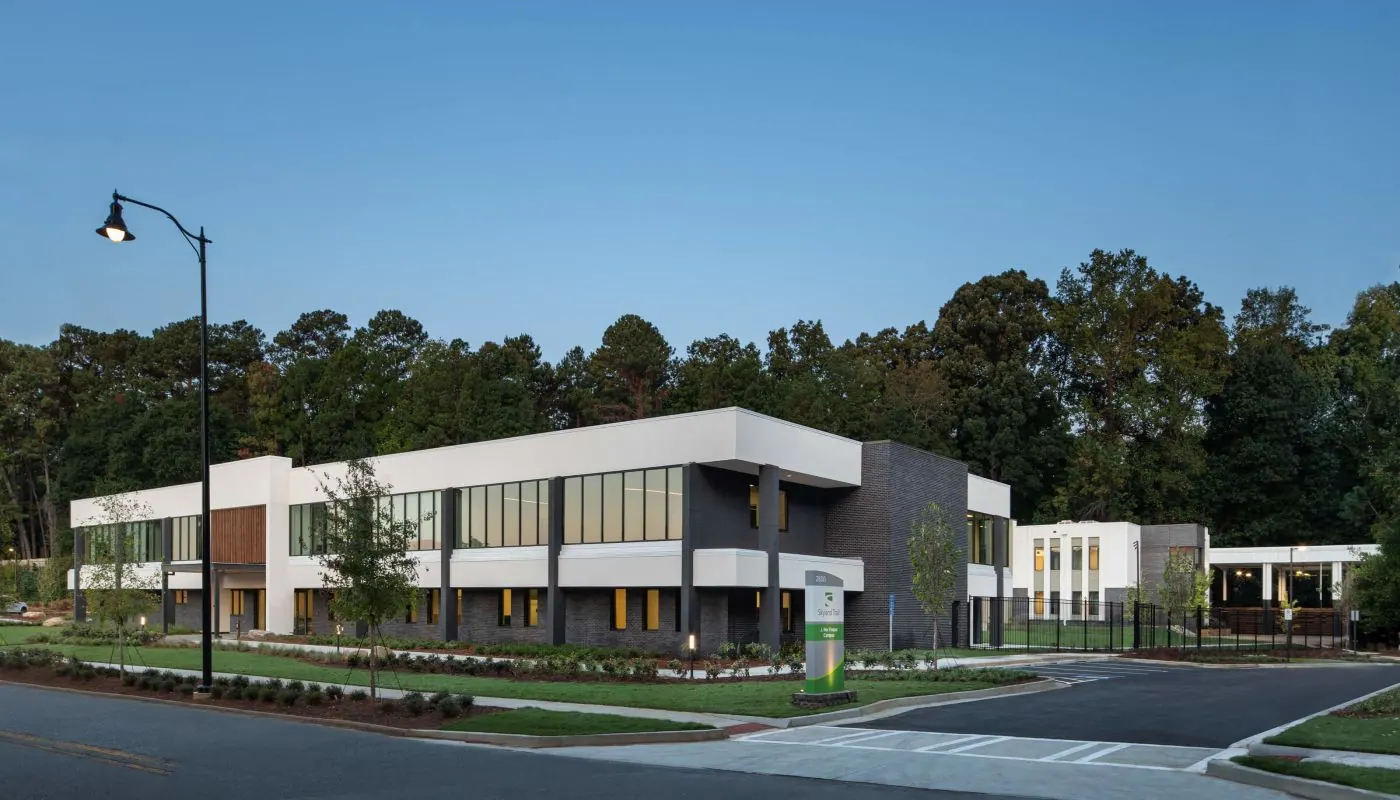
Skyland Trail J. Rex Fuqua Campus
Atlanta, GA30 days · 16-30 beds
- Joint Commission
- Residential Rehab
- Co-Occurring Mental Health
At this Atlanta campus, teenagers between 14 and 17 receive residential care.
View center -
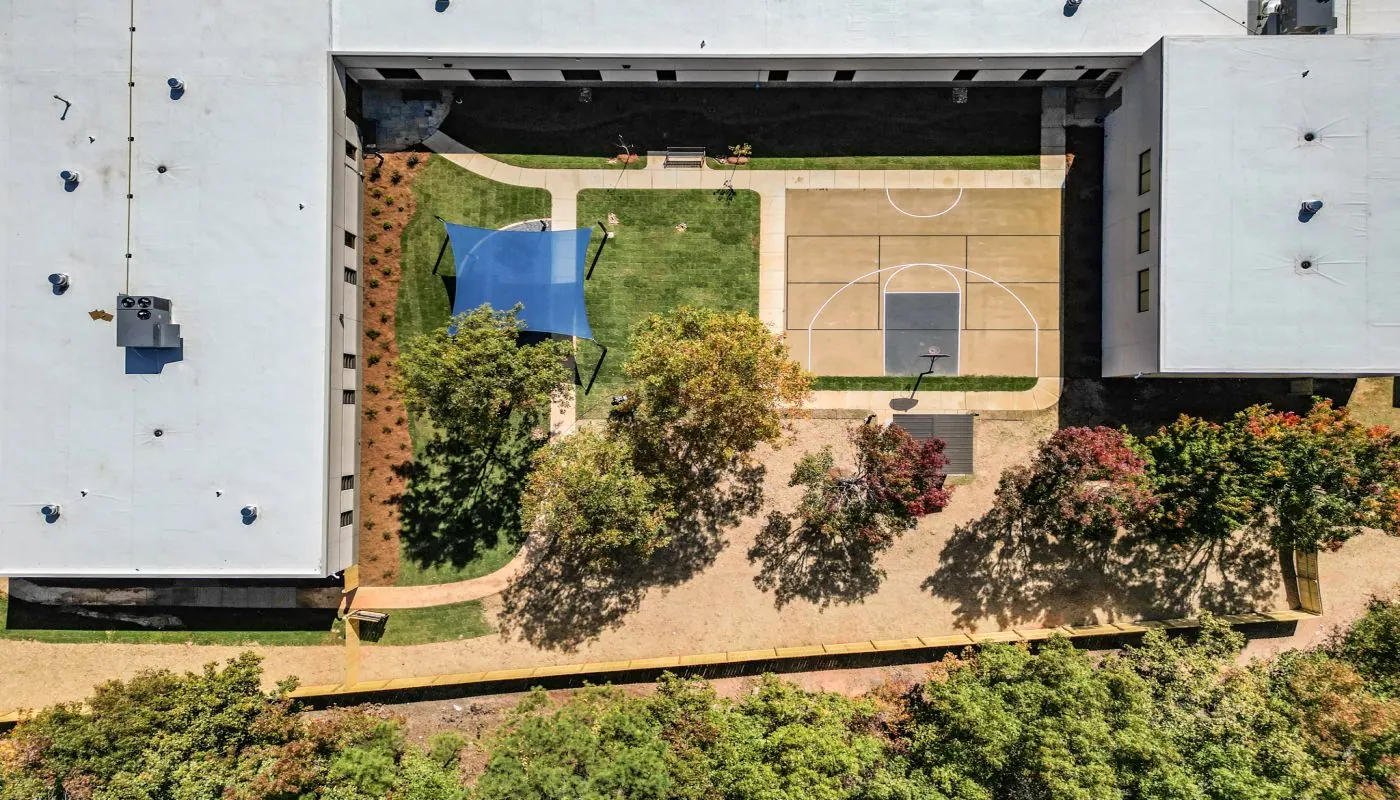
The Recovery Village South Atlanta
Stockbridge, GA30 days
- Joint Commission
- Co-Occurring Mental Health
- Detox
The Recovery Village South Atlanta Stockbridge is a Georgia treatment center.
View center -
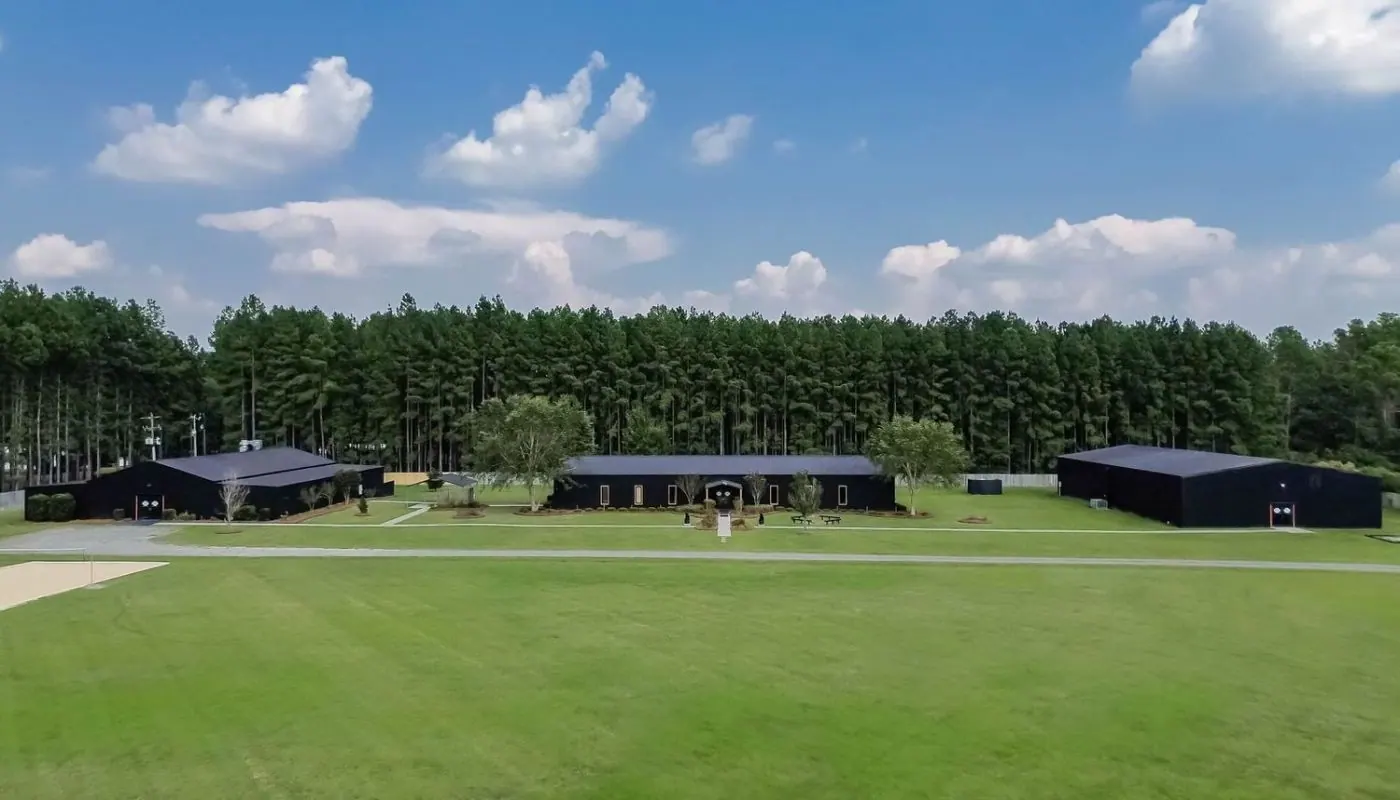
Green Acres Wellness
Alapaha, GA90 days
- Residential Rehab
- Co-Occurring Mental Health
- Detox
Green Acres Wellness Alapaha opened in 2023 as a residential program in South Georgia.
View center -
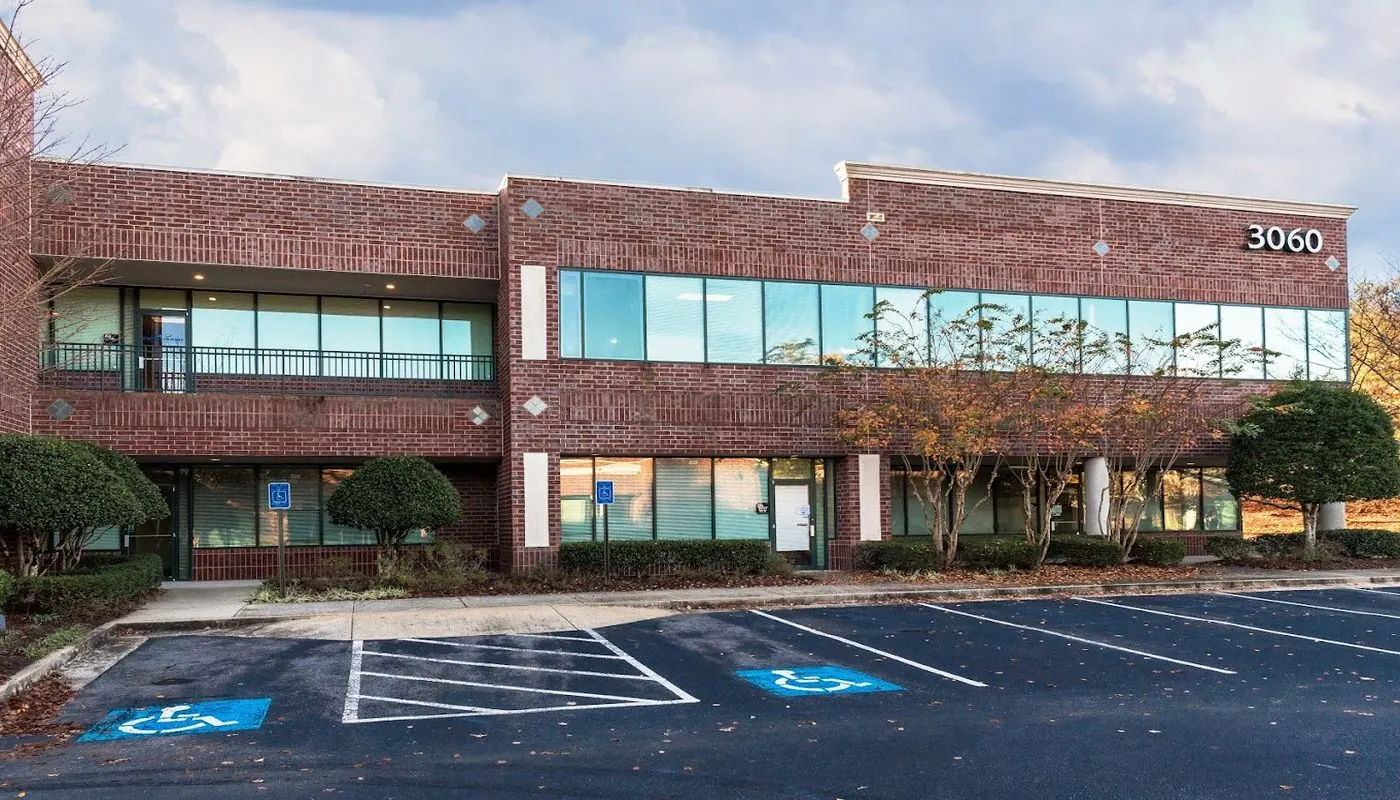
Focus Forward Counseling Alpharetta
Alpharetta, GA30 days · 2-5 beds
Focus Forward Counseling Alpharetta is an outpatient counseling practice located in Alpharetta, Georgia.
View center -
- Joint Commission
- Co-Occurring Mental Health
- Detox
The Recovery Village Atlanta Roswell sits on Pointe Place in Roswell, Georgia.
View center -
Ellie Mental Health Columbus
Columbus, GA90 days
- Outpatient
Ellie Mental Health Columbus is an outpatient counseling practice in Columbus, Georgia.
View center

Good to know
Does Skyland Trail South Campus Decatur accept insurance?
The center says it works with most large private insurers and also lists self-pay pricing, so your policy might help, though that is never certain. Before admission, the details of your benefits and any approval for residential services must be verified with your insurer. Our helpline checks coverage at no charge and with nothing required from you, and it can ask about help with self-pay amounts too. Get in touch to confirm what your policy allows.
How many beds does Skyland Trail South Campus have?
Listings describe the Decatur campus as a smaller residential setting with 16-30 beds. That size means availability can shift quickly, so calling ahead is wise rather than assuming a bed is open. The helpline can check current openings and explain what intake involves before your family commits to anything. Ask about the current wait and how beds are assigned when you call.
How long does residential treatment last at this Georgia rehab?
The SAMHSA entry reports a customary course of roughly 30 days; the center's own material, by contrast, describes residential periods of 8 to 12 weeks with a gradual move into day treatment. How long someone stays generally hinges on their progress and on what the insurer approves. It is worth asking the clinical staff how they decide when someone leaves and which follow-up services come next. Sorting out aftercare in advance gives families time to get ready.
Does Skyland Trail South Campus treat dual diagnosis?
Yes. The center provides residential rehab alongside mental health needs alongside substance use, so depression, anxiety, trauma or bipolar disorder can be addressed together with alcohol or drug concerns rather than in separate silos. Treatment combines medication management from a psychiatrist with therapy and skills groups. A clinician should assess anyone with heavy drinking or benzodiazepine use before stopping, since withdrawal can be dangerous. Ask how dual diagnosis care is coordinated.
What is the 1013 law in Georgia?
The 1013 law refers to Georgia's procedure for an emergency mental health evaluation when someone may be a danger to themselves or others. It is not part of routine admission at this center. If your family member is in crisis, call 911 or a crisis line first. For non-emergency questions about residential care at Skyland Trail South Campus, the helpline can explain options and how to plan next steps without pressure.
Talk with someone about this center
Families throughout Georgia can reach the helpline at any hour. We do not provide treatment ourselves. Trained staff answer each call, walk through the choices available, see whether a particular program is a good match, and assist with insurance checks or questions about financial aid. The call costs nothing and nobody will push you to sign up. What happens after you hang up is your call, and if now is not the right moment, ending the conversation is fine.