Ridgeview Institute of Monroe
Ridgeview Institute of Monroe is a Joint Commission-accredited center listed among Georgia's treatment options. It appears among 264 facilities in SAMHSA FindTreatment.gov listings for the state. This guide explains its programs so families can decide what to ask.
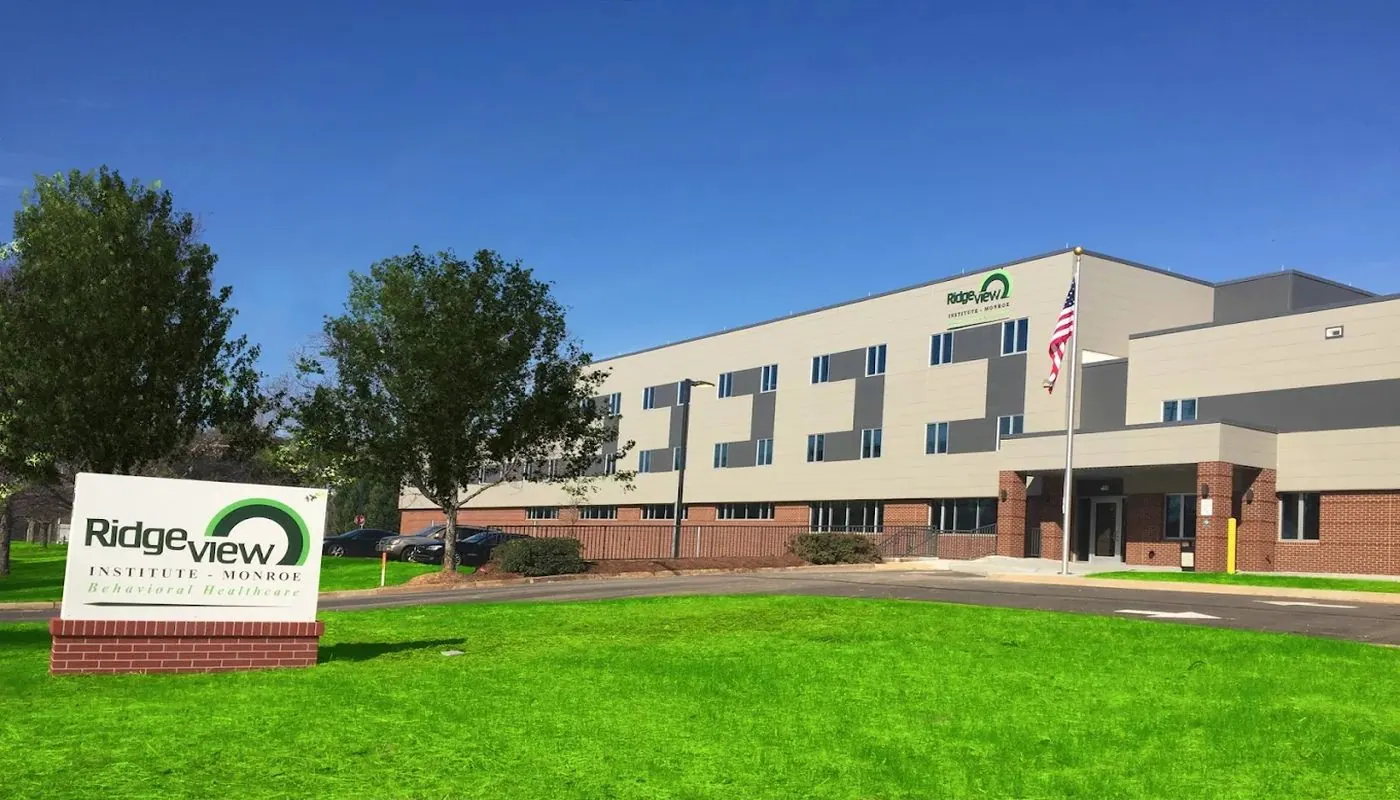
- Joint Commission
- Residential Rehab
- Outpatient
- Detox
- 30 days
Adults, older adults, and adolescents dealing with mental health concerns, substance use, or both together are served at Ridgeview Institute of Monroe. Located in Monroe, Georgia, the center builds its programs around a safe, supportive environment where people can steady themselves and start to see what lies behind their drinking or drug use. Programs are grouped by age, with distinct options for women and seniors, and the clinical team conducts a psychiatric evaluation up front so each plan fits the actual person instead of following a template. When a family member has a mental health diagnosis alongside a substance use disorder, the center's co-occurring track may be the right starting point. Trauma-specific therapy is also listed by the team, which counts when earlier experiences affect how a person copes.
Programming combines individual, group and family therapy with research-backed methods such as cognitive behavioral therapy as well as dialectical behavior therapy. Staff address depression, anxiety, trauma, psychosis and substance use, and they use trauma-informed practices so people feel psychologically safe as they work. Licensed clinicians oversee medication when it is needed, and the center describes 24-hour nursing support within its therapeutic setting. Alongside therapy, clients take part in psychoeducation, structured recreation and discharge planning. For families across Georgia comparing residential rehab options, the mix of therapy and nursing oversight is worth asking about in detail.
Types of care offered at this center
Ridgeview Institute of Monroe offers detox, residential rehab and outpatient care, and its therapies span life skills group therapy individual counseling family therapy, online therapy, psychoeducation, stress management, trauma specific therapy the and twelve step facilitation approach is evidence-based, brings in the family, and includes gender-specific options. Before residential care, someone who uses benzodiazepines or drinks heavily may need medically monitored detox, since withdrawal from alcohol and benzodiazepines can become dangerous and a clinician should decide how it is safely managed. At this Monroe center, detox and residential rehab are steps a family can ask about by phone. If someone has tried outpatient care again and again and keeps returning to use, a residential stay may be worth raising with the clinical team.
Outpatient care plus an intensive outpatient program allow people to step down as stability grows, and among the aftercare options listed by the center are continuing care, relapse prevention planning and support meetings. Georgia residents weighing inpatient against outpatient rehab should know the right level of care hinges on withdrawal risk and support at home. Program length usually runs 30 days, though the plan ought to suit the individual.
- Twelve Step Facilitation
- Life Skills
- Trauma-Specific Therapy
- 1-on-1 Counseling
- Family Therapy
- Gender-Specific
- Psychoeducation
- Online Therapy
- Family Involvement
- Stress Management
Who this program is for in Monroe
- Older adults and adults who have mental health conditions, substance use disorders, or co-occurring diagnoses
- Adolescents, with programming built around school needs that includes evening and dinner groups
- Women, through focused options described by the center
- Seniors, who may be able to use virtual intensive outpatient services
- People dealing with alcohol, benzodiazepines, heroin, opioids, prescription drugs or chronic relapse
- Individuals with anxiety, depression, trauma, bipolar disorder, post-traumatic stress disorder, schizophrenia, self-harm or suicidality
Setting and length of stay in Monroe
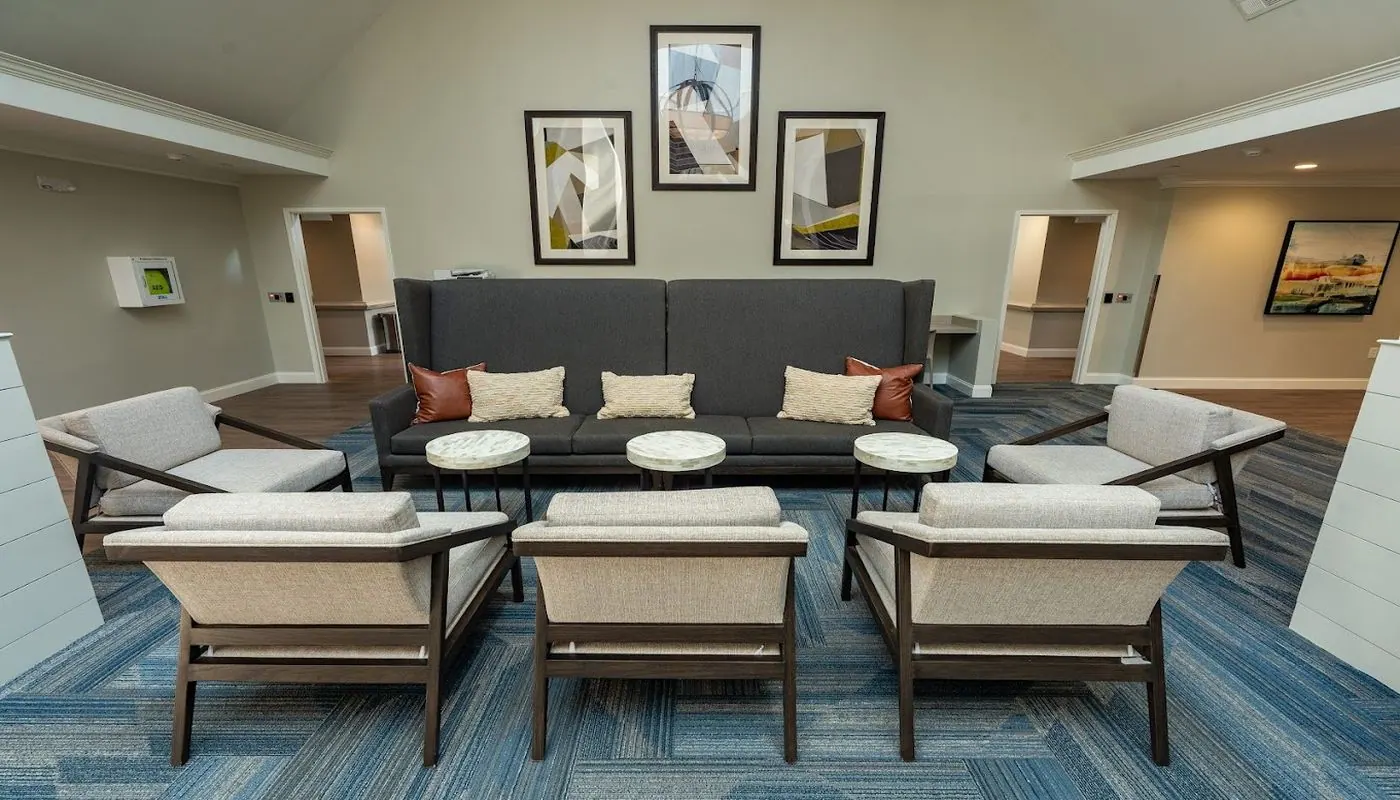
A typical program runs 30 days, and the center lists air-conditioned rooms, private or shared, along with shared living areas, meals and secure outdoor spaces. Services are provided in English. A relative who wants to see the environment before committing can ask about visiting or about the photos kept in the listing. Georgia families weighing residential rehab should know the setting and daily structure count as much as the therapy schedule. If the person needs a quieter room or a specific room arrangement, bring it up before admission rather than after.
Paying for care and insurance in Monroe
Cash pay rates apply, while insurance details are not posted, so coverage has to be verified with the facility and with your plan. Before committing to drug or alcohol rehab in Georgia, families should ask which insurers the center bills and what out-of-pocket cost a stay would bring. Georgia Medicaid may cover some inpatient treatment, and the state Medicaid program can confirm what your plan includes, though eligibility rules vary by plan and level of care. An advisor with us can check openings and coverage with the center at no charge.
Questions worth posing before admission
- Does the center cover my insurance and what is included in a cash pay rate?
- How does the team decide between detox, residential rehab and outpatient care?
- Who oversees withdrawal management, and how is medication handled?
- Can the center explain its Joint Commission accreditation and what it means for my family member?
- What does aftercare look like after 30 days, including continuing care and relapse prevention planning?

More centers worth a look
-

Skyland Trail J. Rex Fuqua Campus
Atlanta, GA30 days · 16-30 beds
- Joint Commission
- Residential Rehab
- Co-Occurring Mental Health
At this Atlanta campus, teenagers between 14 and 17 receive residential care.
View center -
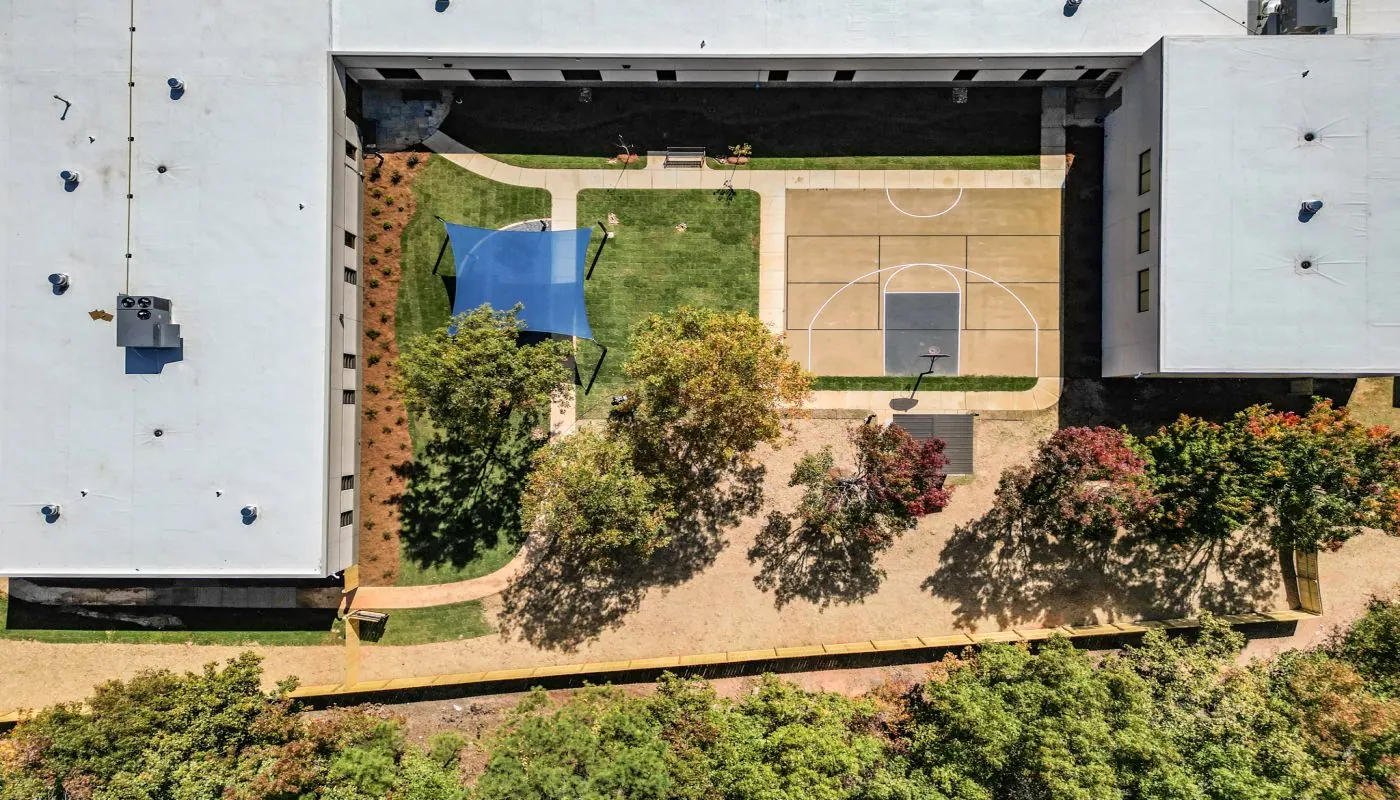
The Recovery Village South Atlanta
Stockbridge, GA30 days
- Joint Commission
- Co-Occurring Mental Health
- Detox
The Recovery Village South Atlanta Stockbridge is a Georgia treatment center.
View center -
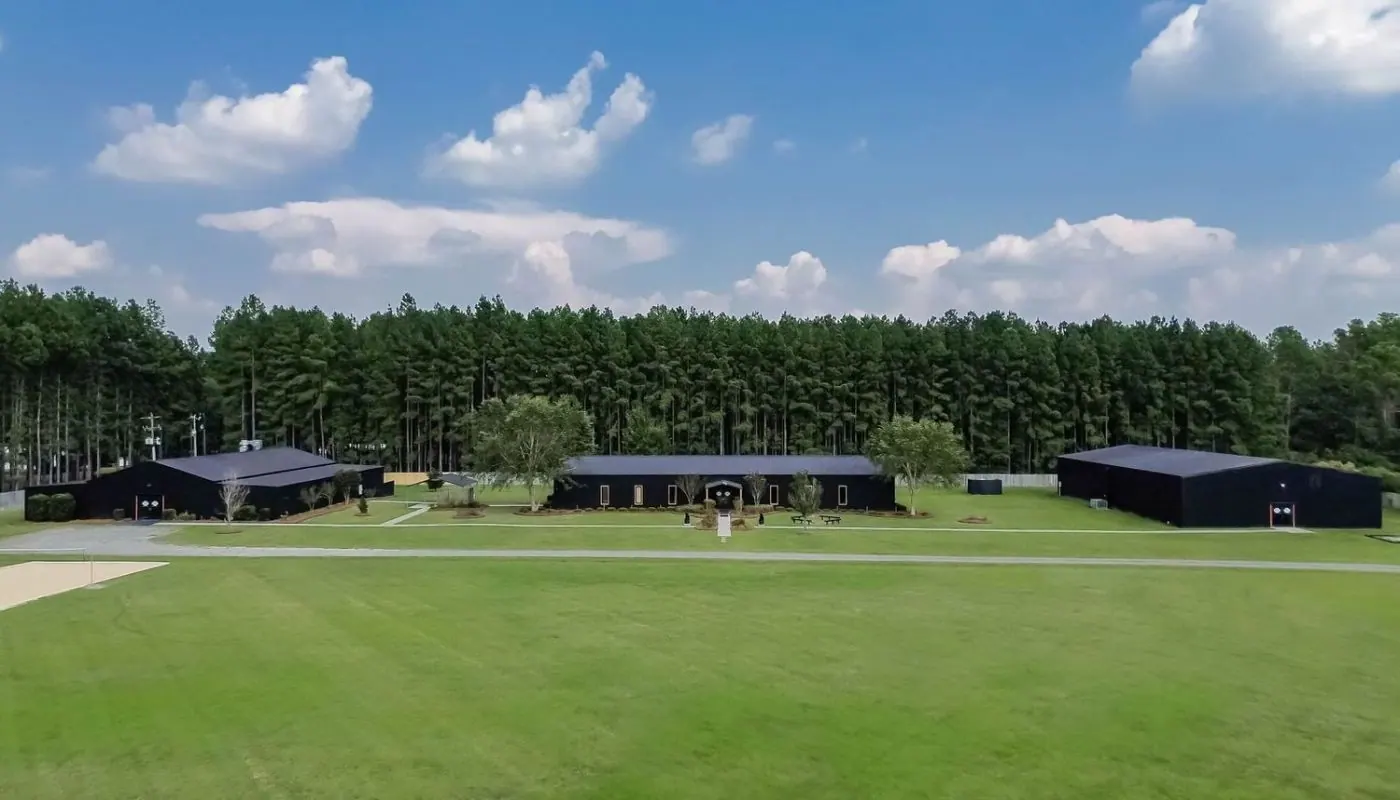
Green Acres Wellness
Alapaha, GA90 days
- Residential Rehab
- Co-Occurring Mental Health
- Detox
Green Acres Wellness Alapaha opened in 2023 as a residential program in South Georgia.
View center -
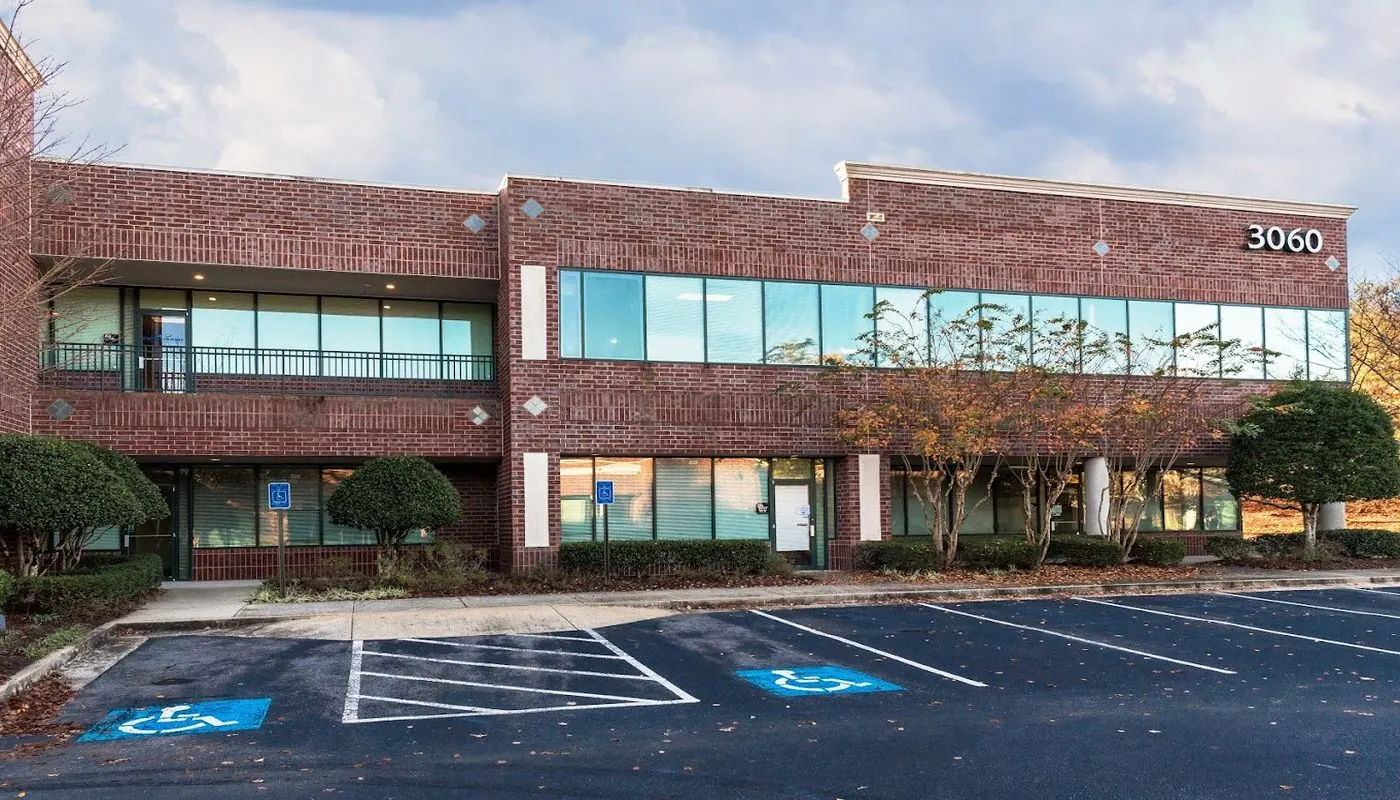
Focus Forward Counseling Alpharetta
Alpharetta, GA30 days · 2-5 beds
Focus Forward Counseling Alpharetta is an outpatient counseling practice located in Alpharetta, Georgia.
View center -
- Joint Commission
- Co-Occurring Mental Health
- Detox
The Recovery Village Atlanta Roswell sits on Pointe Place in Roswell, Georgia.
View center -
Ellie Mental Health Columbus
Columbus, GA90 days
- Outpatient
Ellie Mental Health Columbus is an outpatient counseling practice in Columbus, Georgia.
View center


Good to know
Does Ridgeview Institute of Monroe accept Georgia Medicaid for inpatient rehab?
The listing does not say whether the center accepts Georgia Medicaid, so ask the facility and your plan. Georgia Medicaid may cover some inpatient behavioral health care, though what applies relies on your policy and the treatment level. Ask the center which plans it bills, and check with the state Medicaid program about your plan's rules before arranging a stay.
How long do people stay at this Georgia rehab center?
According to the center's listing, the usual program runs 30 days. Other people move down to outpatient care sooner, and some stay longer, depending on withdrawal risk, co-occurring conditions and the support available at home. Ask the clinical team what it suggests for your family member, and ask early on how discharge planning gets started, even within the first week.
What are the current drug problems in Georgia, and does this center address them?
Georgia families commonly call about alcohol, opioids, heroin, prescription drugs and benzodiazepines, and the center lists all of these among the substances it treats. It also lists co-occurring disorders, chronic relapse and trauma as specializations, which matters when mental health and substance use appear together. A comprehensive psychiatric evaluation at the start is meant to sort out which concerns are present so the plan addresses them.
Is Ridgeview Institute of Monroe a good inpatient mental health facility in Georgia?
That depends on the person's needs, and the listing offers some useful facts rather than a rating. The center is Joint Commission-accredited, lists 24-hour nursing support and treats conditions such as depression, anxiety, trauma, bipolar disorder and psychosis. You can compare it with the 263 other SAMHSA-listed facilities in Georgia by level of care, location and coverage before deciding what to ask.
What should I ask about withdrawal at this Monroe rehab?
Find out who supervises withdrawal management and how medications are handled. Discontinuing benzodiazepines and alcohol might be harmful, so the way it is managed should be decided by a clinician. Detox and 24-hour nursing support both appear among the center's care options, but you still want details on how people are monitored during those first days. When you call, mention it if your family member has previously had seizures or severe withdrawal.
Talk with someone first in Monroe
Trained staff pick up our helpline around the clock. They are not clinicians, and they do not diagnose. Your call is kept private, costs nothing, and your family is not committing to anything by making it. The point of the call is to help you work through options and to connect you with licensed treatment providers. If you are unsure whether Ridgeview Institute of Monroe fits, a short conversation can help you prepare questions about insurance, who oversees withdrawal and aftercare. Get in touch whenever you feel ready, and we will help you ask about availability and coverage at this center and at others across Georgia.