Hope House Augusta
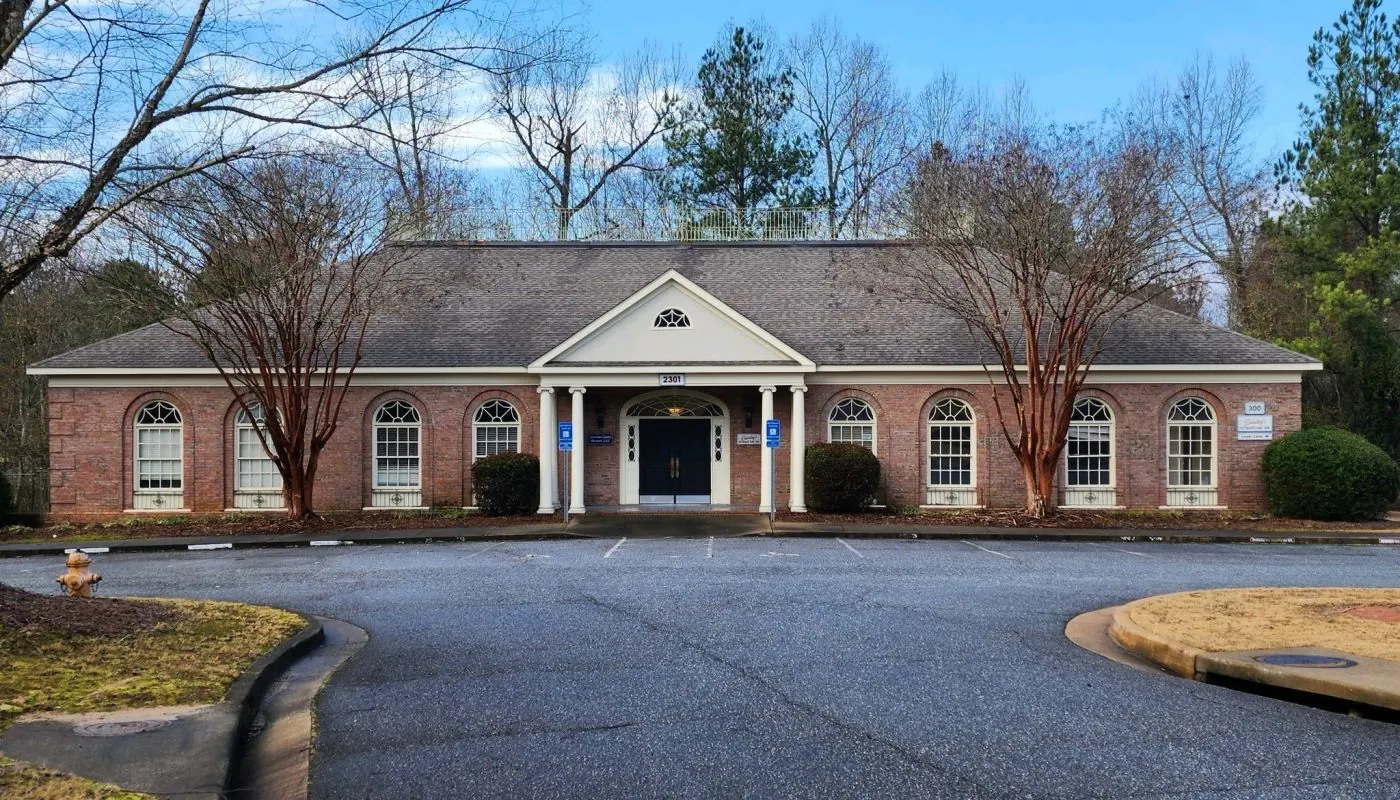
Hope House Augusta is a residential program on Highland Avenue for women and their children. Georgia has 264 SAMHSA-listed facilities, and this one runs a typical program of 150 days. Call the helpline anytime to ask about openings and coverage.
- Residential Rehab
- Outpatient
- Co-Occurring Mental Health
- 150 Days
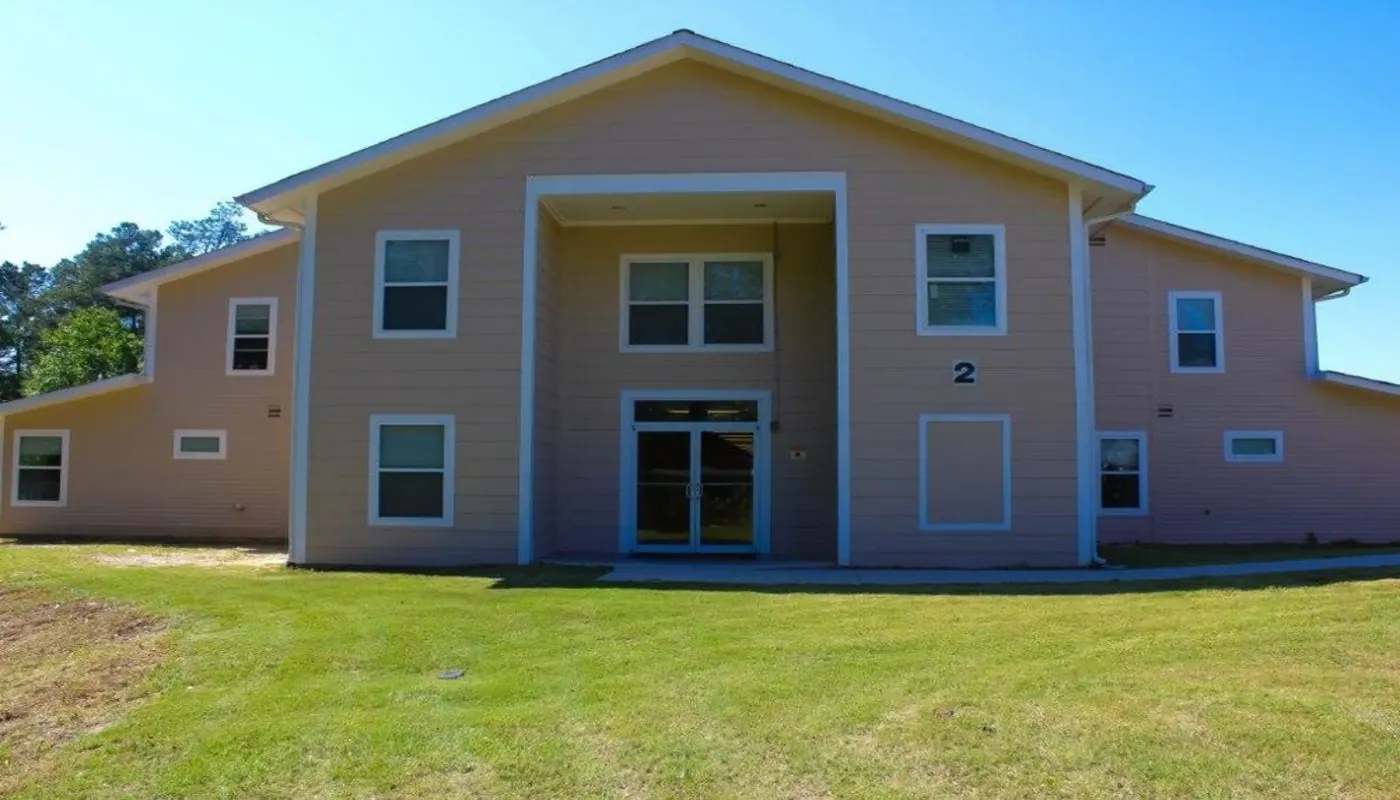
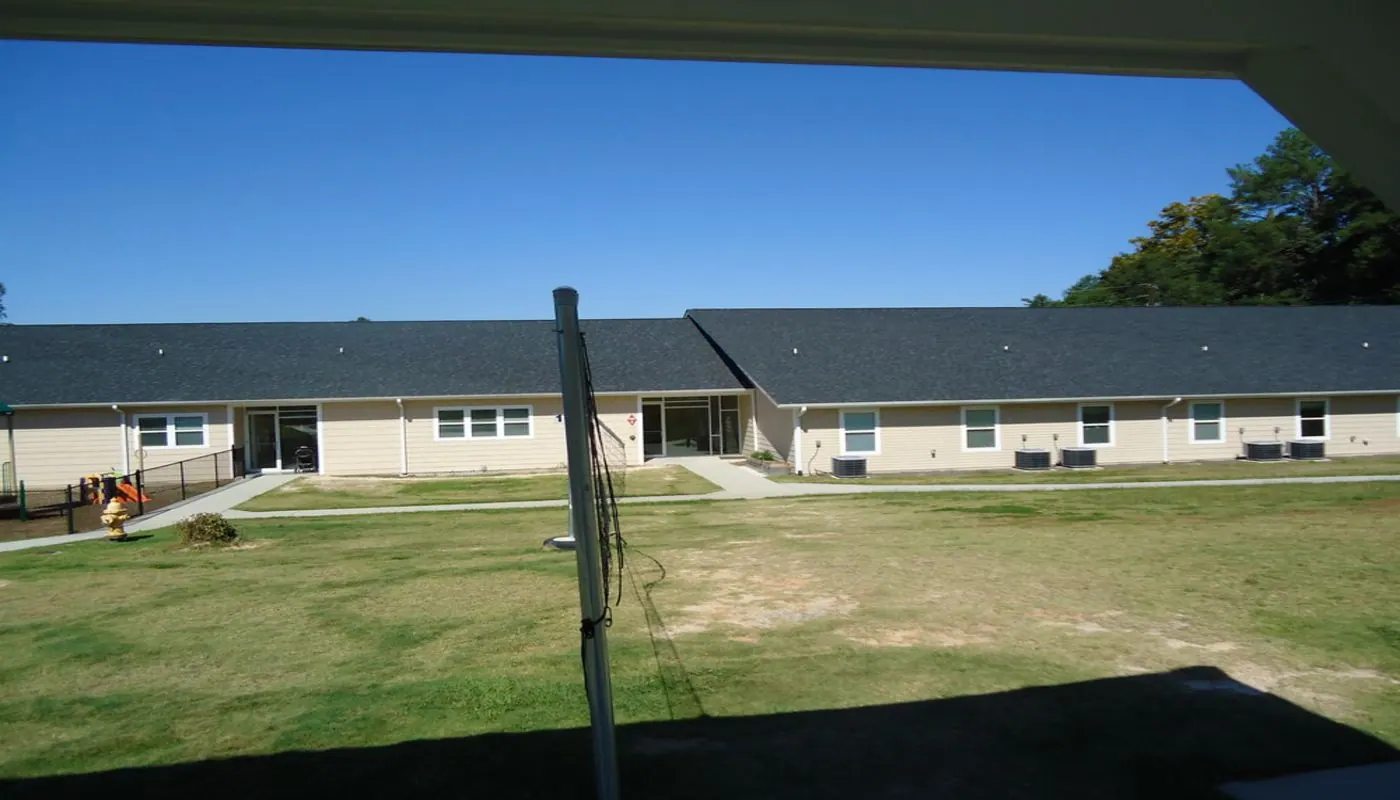
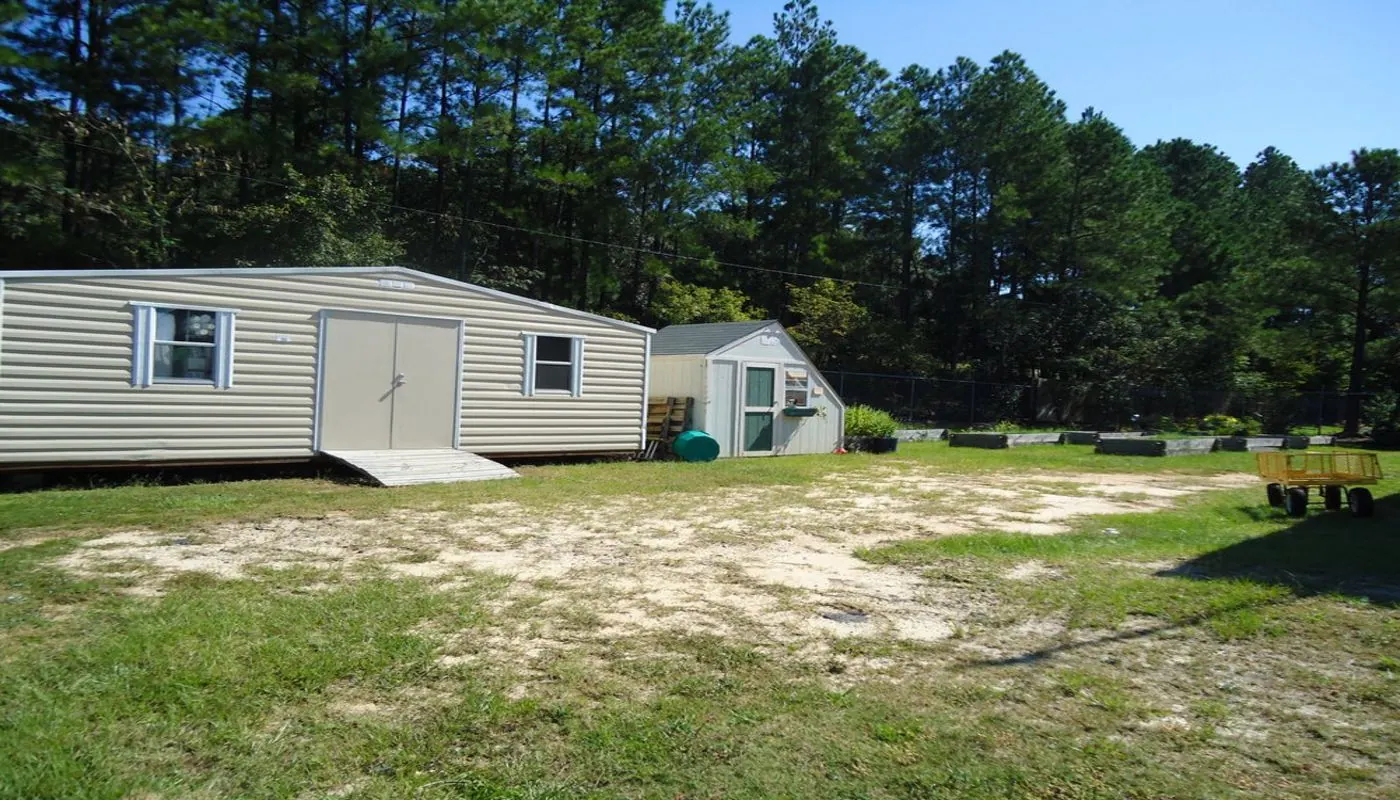
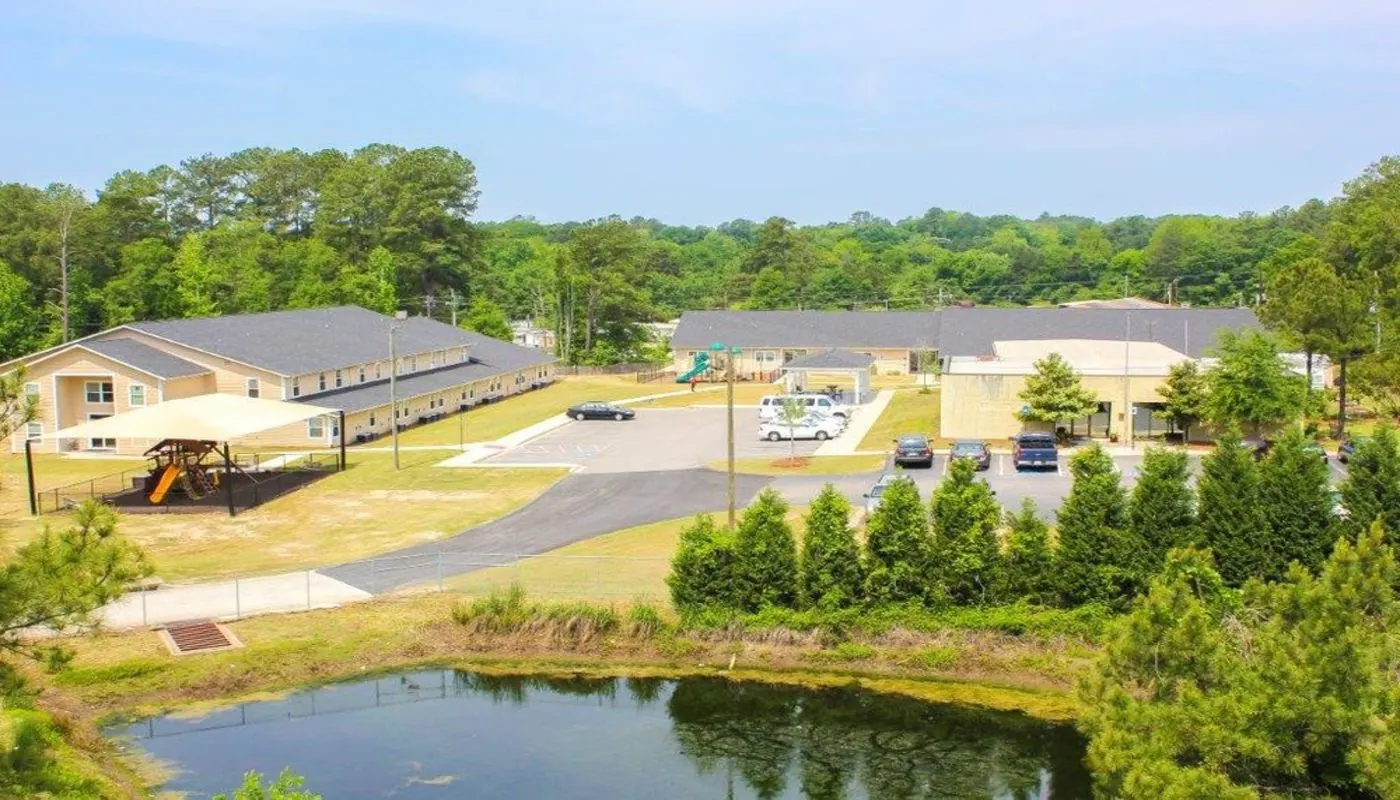
Hope House, in Augusta-Richmond County, is a licensed program that helps mothers raising children as they deal with substance use along with mental health needs. It is built for parents who need treatment and child care in one place, and it serves women with children as a separate group rather than folding them into a general adult census.
Care combines evidence-based methods with practical help for daily life at home. Mothers take part in individual and group counseling and also pick up parenting support, life skills training, and education on health and job readiness. Plans are written around each person rather than applied uniformly, with self-sufficiency and steadier family routines as the aim.
The same attention to family shapes the living arrangements. Mothers stay in apartment-style units, with rooms that are private or shared, and childcare is available right there, which lets a parent keep up with treatment while staying close to the child in her care. This guide does not present Hope House as a treatment provider itself; when someone calls, the helpline puts them in touch with licensed care.
According to the listing, the program serves people who have a substance use disorder along with a co-occurring mental health issue, and the plan addresses both at once. If the person you are calling about is a sister, a daughter, or a friend, you can ask how intake works and how soon a bed might open up.
One more point worth stating plainly: no one can promise admission here, and no one can promise what your insurance will pay. The helpline helps you ask those questions directly and costs you nothing to use.
Types of care offered at this center
Care choices include residential rehab, co-occurring mental health treatment as well as outpatient services, so someone can move between levels as needs change. Therapy options include individual counseling, life skills work, psychoeducation, and relapse prevention counseling, all delivered within an evidence-based frame suited to gender.
Because this is a program for women and their children, much of the structure is built around parenting. Hope House in Augusta provides gender-specific residential treatment alongside childcare for women in Georgia, and the Augusta rehab center pairs individual therapy with practical life skills and parenting support. Education modules touch on health topics and job readiness, which matters to someone planning to support a household after discharge.
- Relapse Prevention Counseling
- Evidence-Based
- Individual Treatment
- Gender-Specific
- 1-on-1 Counseling
- Psychoeducation
- Life Skills
Who the Hope House program is built for
- Women with children who need residential substance use treatment
- Pregnant women and women in the postpartum period
- Adolescent girls and boys, and younger children, as part of a family unit
- Individuals also living with mental health conditions such as depression, anxiety or post-traumatic stress disorder
- Women dealing with alcohol use, drug use, or both at once
- Mothers who need help with housing and relapse prevention planning after treatment
Housing and program length at Hope House
A usual stay lasts 150 days, enough time for a mother to work through treatment while her children remain close by. Housing is apartment-style, offering air conditioning, private or shared rooms, and bathroom access, along with meals served on site. Children can be accommodated, childcare is available, and indoor and outdoor common areas support daily routine and connection. Services are provided in English. FindTreatment.gov lists the facility with four photos, but pictures say little about how day-to-day life actually feels, so ask questions during a phone call.
Paying for care at Hope House
The listings do not publish payment details, so the smart move is to call and ask what this center accepts, including whether Georgia Medicaid is an option. The Hope House Augusta helpline helps you verify coverage before you commit to anything, and callers can ask about Medicaid, private insurance, and self-pay for Georgia treatment. Ask directly what happens to the bill if someone leaves early, and whether any portion of the 150-day course is covered. Do not treat a verbal estimate as a final number.
Questions to ask the center in Augusta
- Can my children stay with me for the full length of the program, and what childcare is available during sessions?
- How does the program address a substance use disorder and a mental health diagnosis at the same time?
- What does the 150-day schedule look like week to week, and can the length change based on progress?
- Which insurance plans and Georgia Medicaid are accepted, and what will I owe after coverage?
- What housing and relapse prevention planning is offered when someone finishes residential care?

More centers worth a look
-
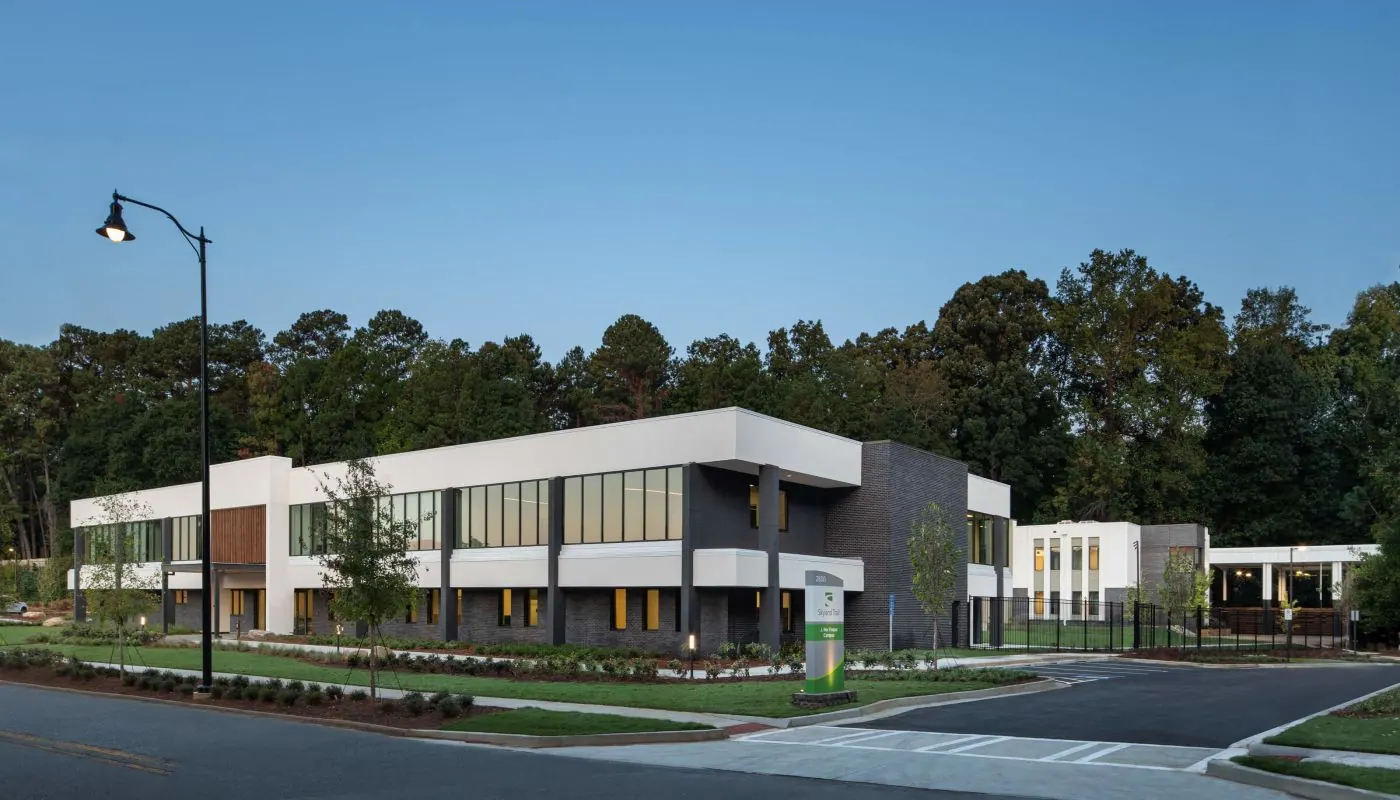
Skyland Trail J. Rex Fuqua Campus
Atlanta, GA30 days · 16-30 beds
- Joint Commission
- Residential Rehab
- Co-Occurring Mental Health
At this Atlanta campus, teenagers between 14 and 17 receive residential care.
View center -

The Recovery Village South Atlanta
Stockbridge, GA30 days
- Joint Commission
- Co-Occurring Mental Health
- Detox
The Recovery Village South Atlanta Stockbridge is a Georgia treatment center.
View center -
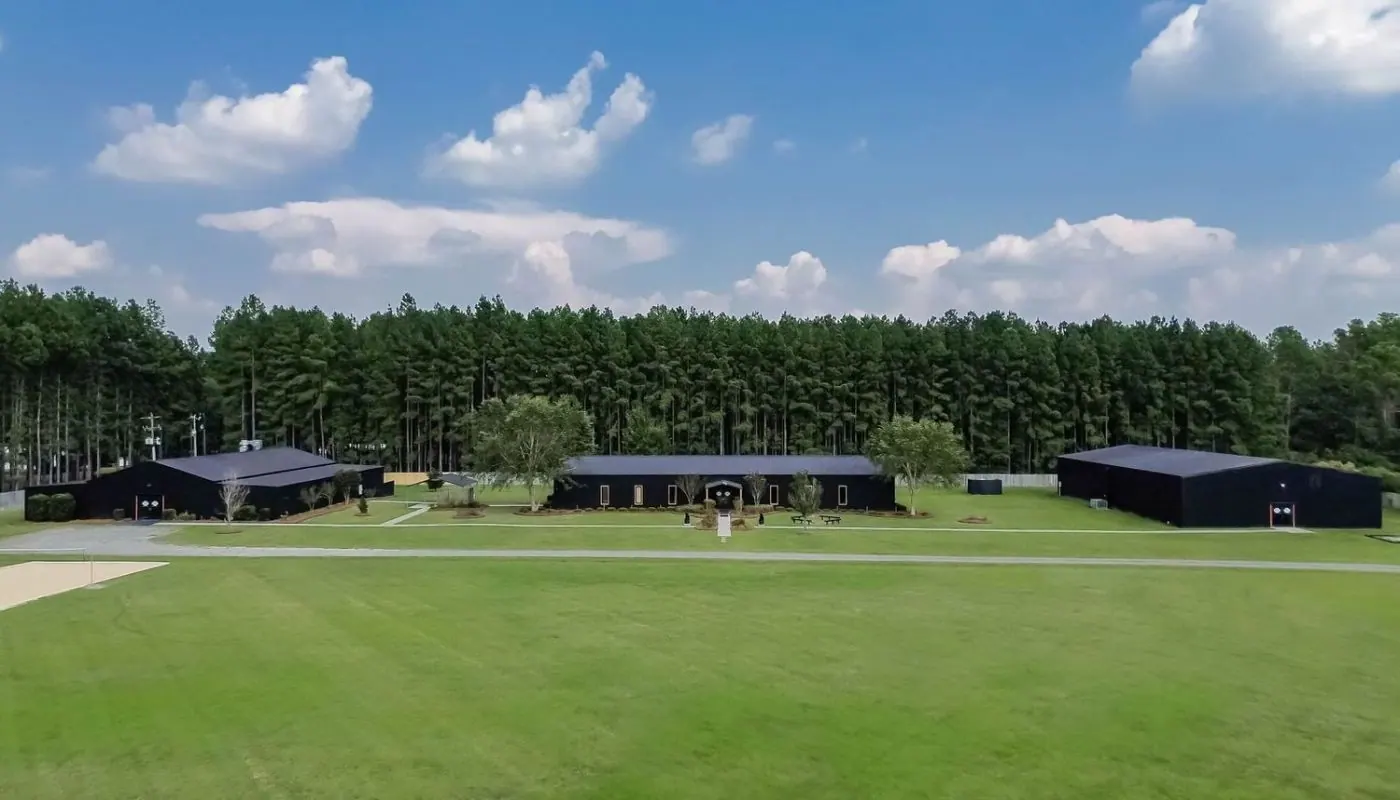
Green Acres Wellness
Alapaha, GA90 days
- Residential Rehab
- Co-Occurring Mental Health
- Detox
Green Acres Wellness Alapaha opened in 2023 as a residential program in South Georgia.
View center -
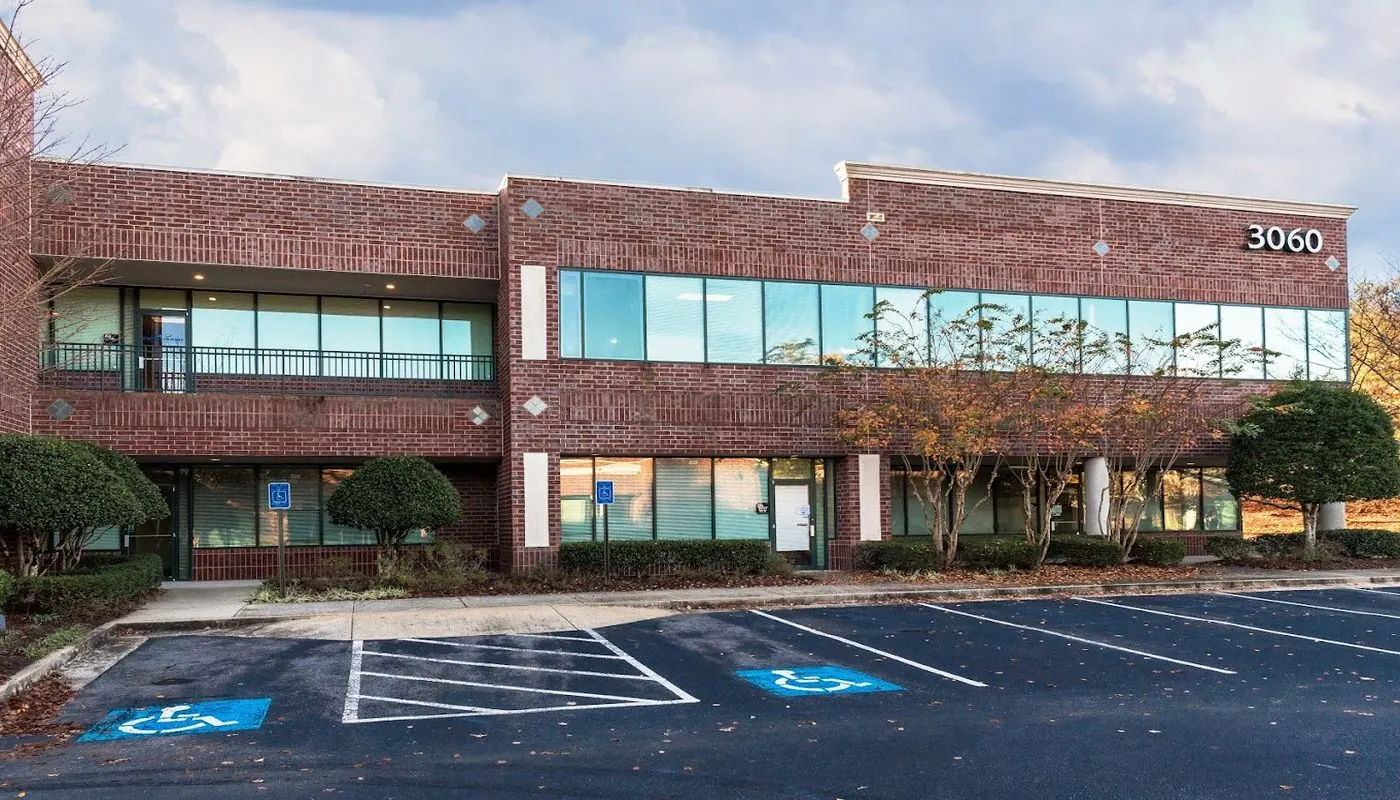
Focus Forward Counseling Alpharetta
Alpharetta, GA30 days · 2-5 beds
Focus Forward Counseling Alpharetta is an outpatient counseling practice located in Alpharetta, Georgia.
View center -
- Joint Commission
- Co-Occurring Mental Health
- Detox
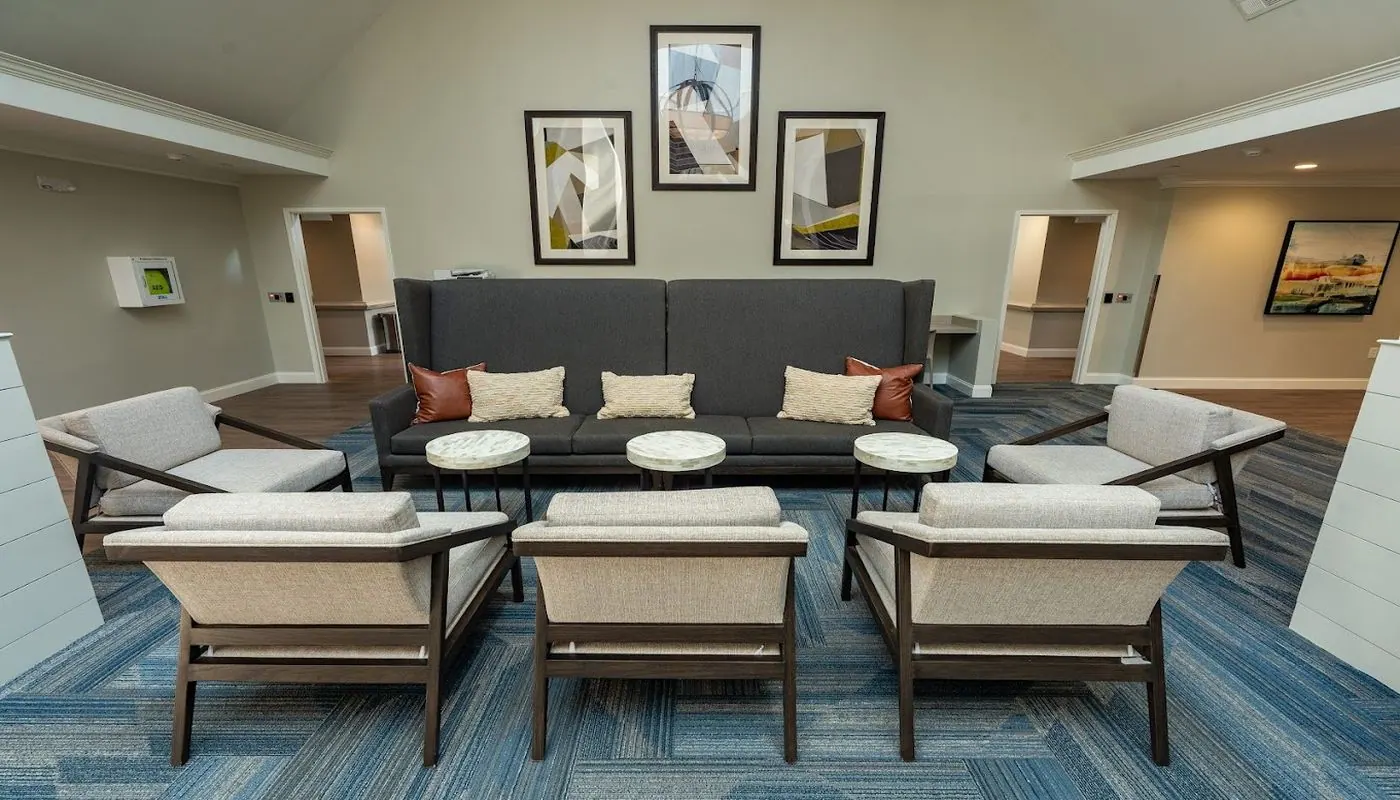
The Recovery Village Atlanta Roswell sits on Pointe Place in Roswell, Georgia.
View center -
Ellie Mental Health Columbus
Columbus, GA90 days
- Outpatient
Ellie Mental Health Columbus is an outpatient counseling practice in Columbus, Georgia.
View center


Good to know
Is Hope House Augusta a residential rehab or an outpatient program?
Hope House offers both residential rehab and outpatient care. The listing states the program includes outpatient services, residential rehab as well as co-occurring mental health treatment, with a typical length of 150 days. Many mothers start in residential, because children can stay with them in apartment-style housing. Someone further along might step down to outpatient while continuing counseling and relapse prevention work. Ask the center what guides their choice between levels of care.
Does Hope House treat pregnant women and new mothers?
Yes. Pregnant women are named as a group the program specializes in, and perinatal mental health is on the list of conditions addressed. Care covers alcohol and drug use alongside co-occurring concerns like anxiety, depression, and post-traumatic stress disorder. If you are pregnant or recently gave birth, say so when you call so the helpline can help you check what openings exist and how coverage applies.
How long do most people stay at this rehab center in Georgia?
The listing shows a usual program length of 150 days, roughly five months. During that period, there is room for counseling, psychoeducation, life skills work, and parenting support while a child remains in the residential setting. Each person's plan looks different, and no one should promise a precise discharge date in advance. Ask how progress is reviewed and what happens when someone needs additional time.
Will Georgia Medicaid cover treatment at Hope House?
Coverage details are not published in these listings, so nobody can tell you yes or no until they check. Medicaid funds some substance use treatment in Georgia, though the programs and levels of care it covers differ. Reach the helpline, where a trained advisor can help you ask the center directly about Medicaid, private insurance, or self-pay, and what your portion might be.
What are the current drug problems in Georgia?
Substance use, including alcohol and drug addiction, poses serious challenges in Georgia, as it does in many states. There are 264 SAMHSA-listed facilities in the state, reflecting a range of treatment options. For specific data on drug trends in Georgia, consult the Georgia Department of Public Health or SAMHSA. If you are looking for help for yourself or a loved one, the helpline can point you toward appropriate resources and licensed providers.
Talk with someone about this center
Advisors with training staff the helpline around the clock, connecting callers with licensed treatment providers. A call costs nothing whenever you dial. No one will pressure you into anything, and that first conversation commits you to nothing. If you are a mother, a grandparent, or a friend looking for the right fit in Georgia, start by asking which programs have openings and what your insurance covers.