HealthQwest Canton site c canton
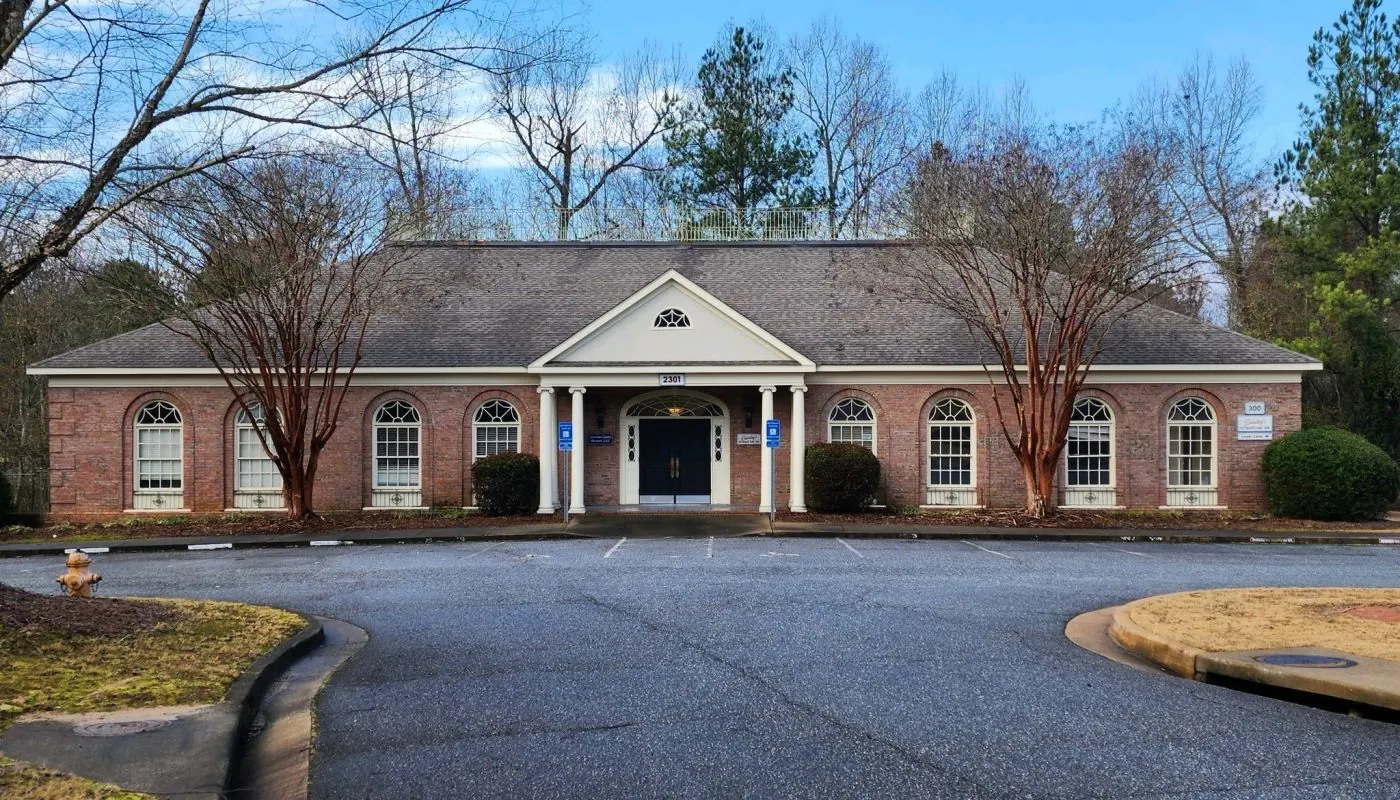
The HealthQwest Canton site c canton is an outpatient program located in North Georgia. It is one of 264 SAMHSA-listed facilities in Georgia. Substance use, and mental health needs that present alongside substance use, are treated together at this center.
- Outpatient
- Co-Occurring Mental Health
- 30 days
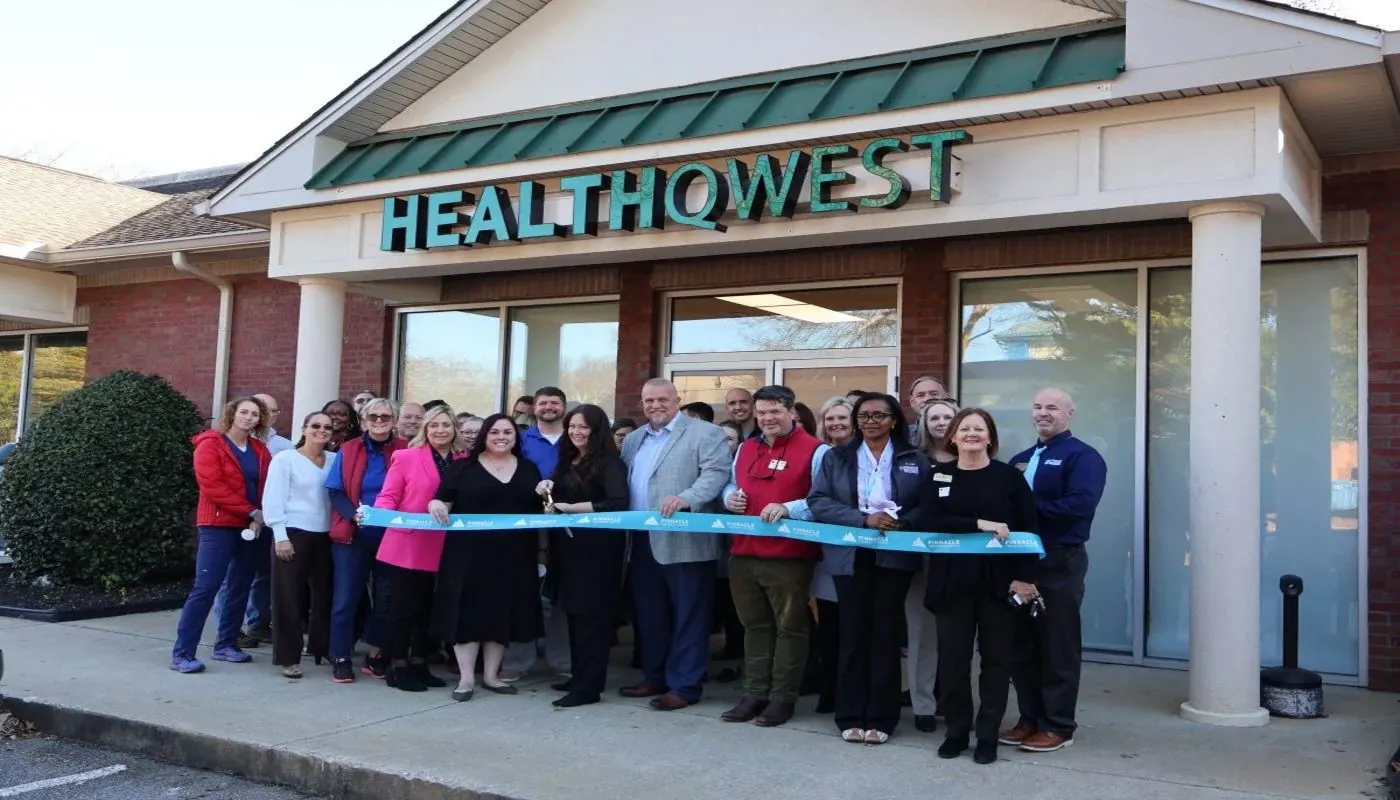
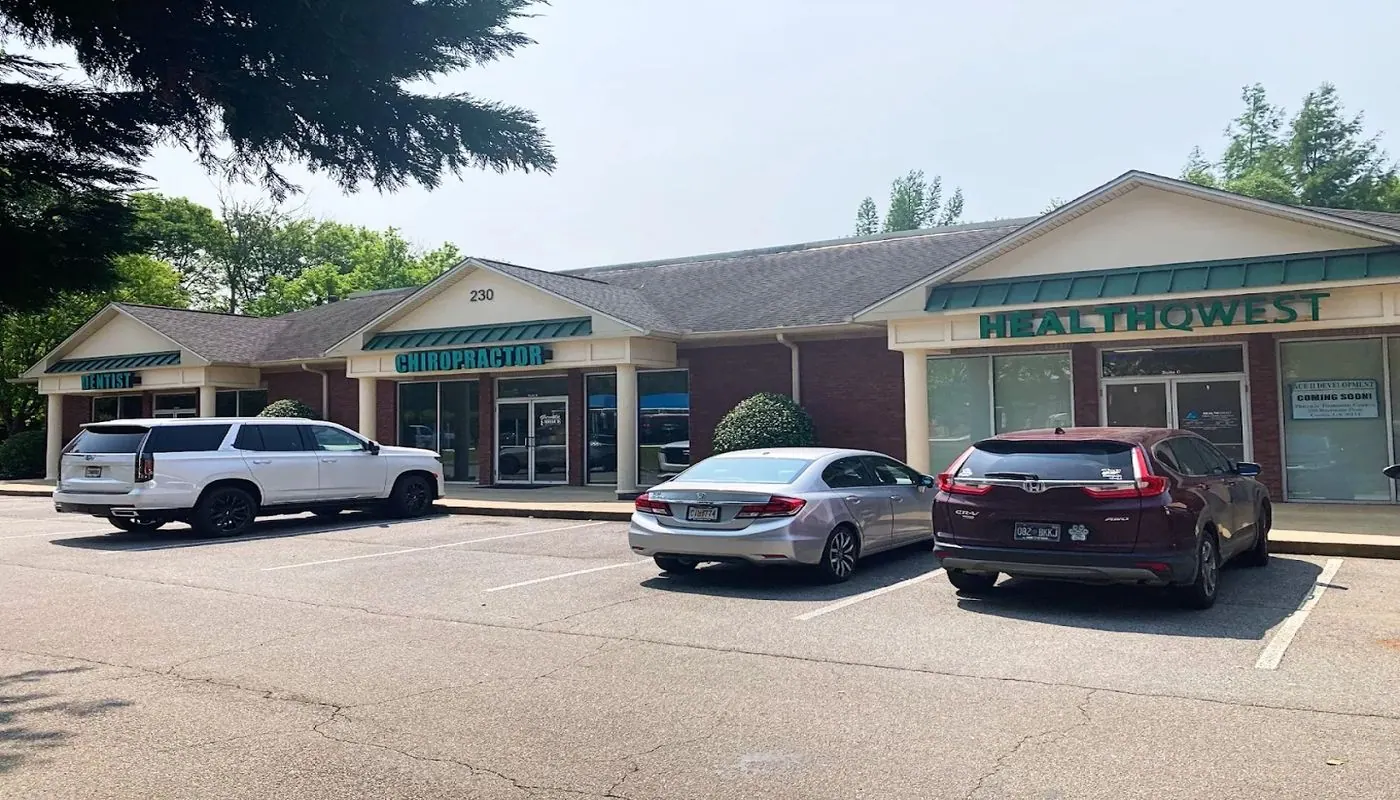
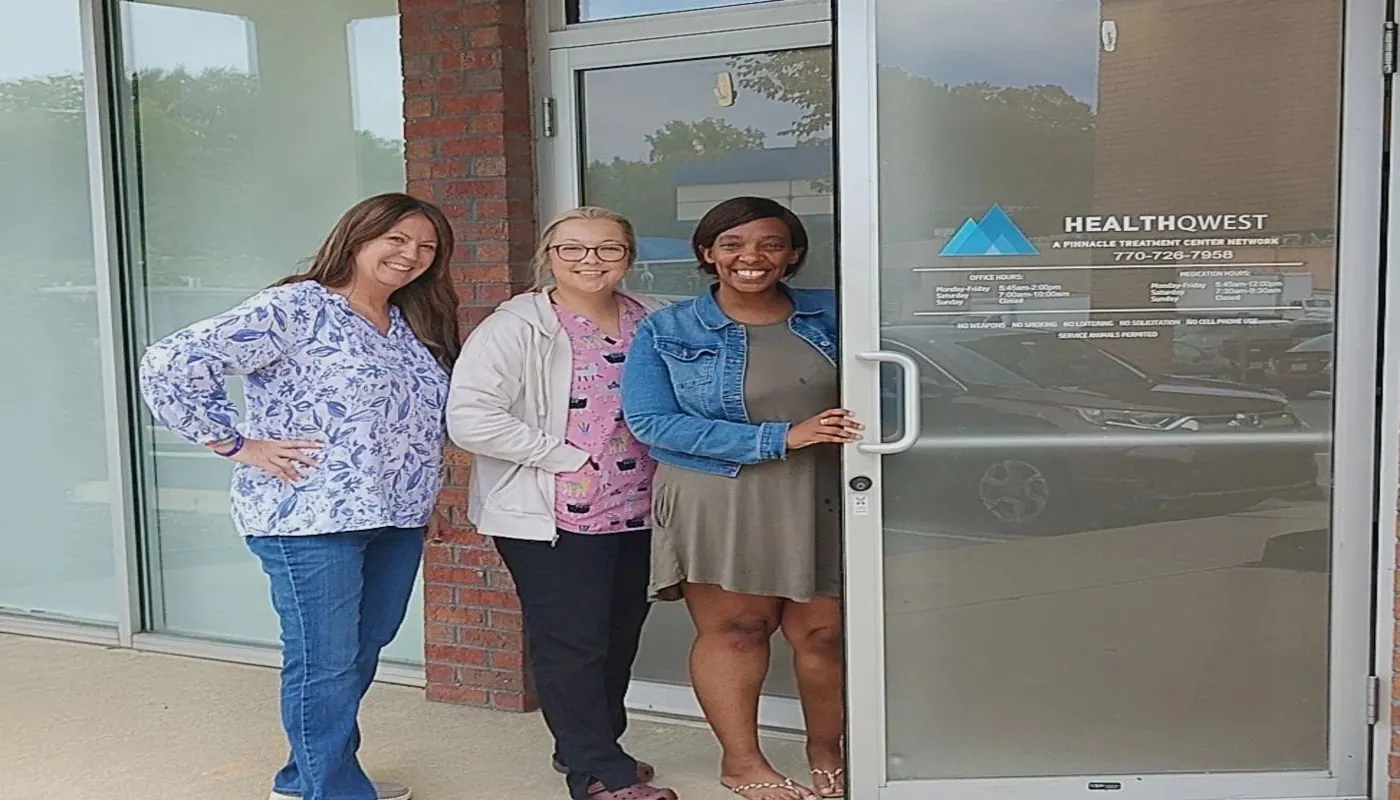
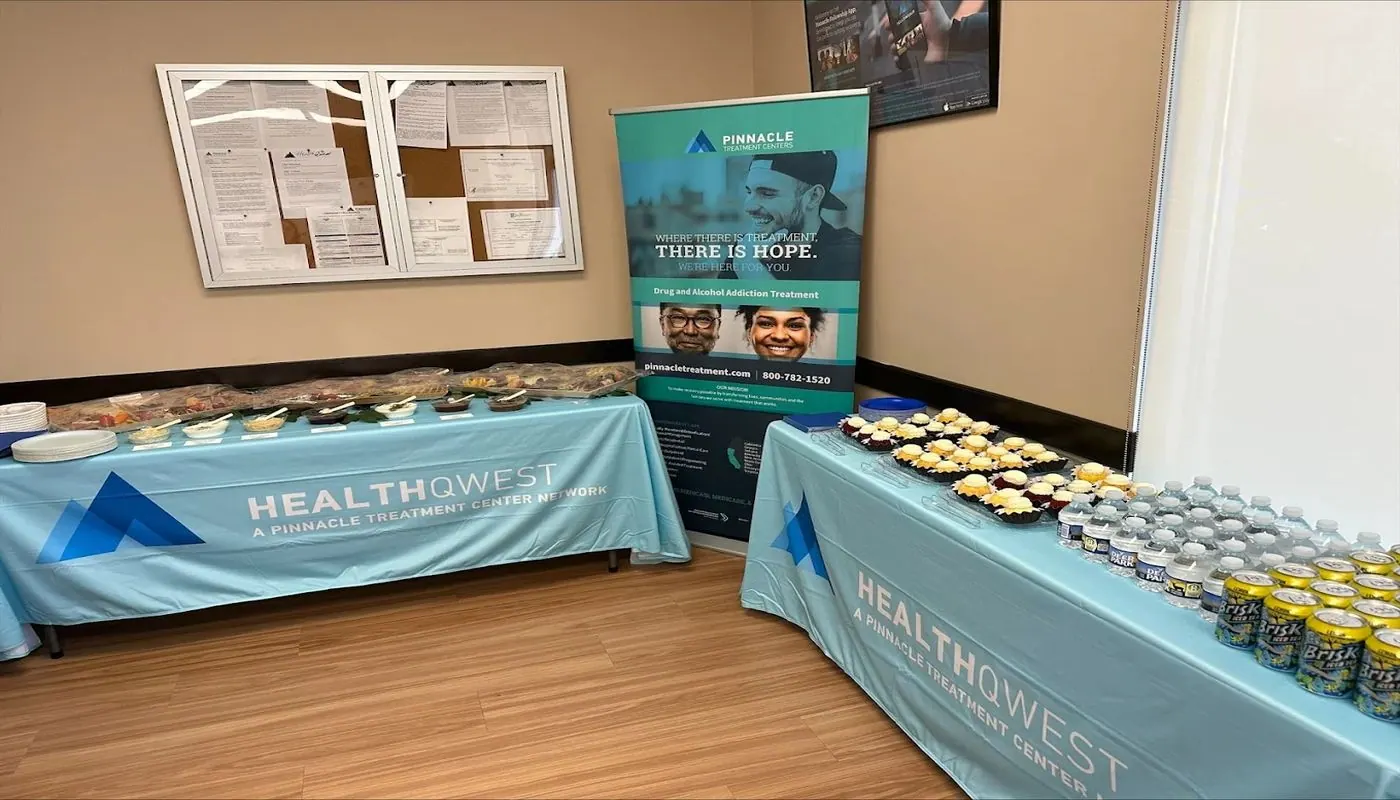
HealthQwest Canton works with adults who want to address opioid use and other substance use disorders without stepping away from home for residential care. The setting is described as calm and welcoming, and appointments are built around the rest of your week so that work, family and school can keep going while treatment does.
Rather than pushing every person through an identical schedule, the clinical team puts together a plan made for that individual. Where a clinician judges it appropriate, medication can be included, combined with counseling and hands-on work on practical skills. The goal as described is change that holds up over time, not a fast solution.
Conditions of mental health that occur alongside substance use are treated here as well. Trauma appears specifically among the concerns the center addresses, and the program is set up so that substance use and emotional health are handled together, not one after the other.
HealthQwest Canton site c canton
Both outpatient care and mental health treatment for co-occurring conditions are available here, which means people come to scheduled sessions and continue living at home. A program often runs 30 days, though the actual plan is set by the clinical team after an assessment. Outpatient drug and alcohol rehab in Georgia preserves daily routines as therapy moves forward, so work, school and family life can continue during treatment.
Among the therapy options are individual counseling, CBT, DBT and acceptance and commitment therapy, plus family therapy, group therapy, life skills work, online therapy and therapy focused on trauma. The program calls its approach evidence-based and medical, guided by family involvement and individual treatment. Should a clinician determine that a lower level of care cannot meet a person's needs, another program might suit them better. Services are available in English.
- Group Therapy
- Dialectical Behavior Therapy
- Online Therapy
- Acceptance and Commitment Therapy (ACT)
- Cognitive Behavioral Therapy
- Trauma-Specific Therapy
- Family Involvement
- 1-on-1 Counseling
- Individual Treatment
- Evidence-Based
Who this Canton program is built for
- Men and women, with tracks that serve men and women separately where the center arranges it
- People whose substance use disorder involves alcohol, heroin, opioids or prescription medications
- Adults who have been through treatment before and are dealing with chronic relapse
- People who have mental health needs alongside substance use and need both addressed together
- Individuals with a history of trauma who want a program that accounts for it
Length and setting at this center
A typical stay in the outpatient program runs about 30 days, and the schedule is arranged so that treatment fits around daily responsibilities rather than replacing them. The rooms are air-conditioned, and the center keeps its services in English. Because this is an outpatient program, people travel in for sessions and return home afterward, so where you live relative to Canton shapes what is practical.
Paying for treatment in Georgia
Before an appointment gets booked, the helpline can walk you through the payment options this center accepts and help you learn what your plan covers. Benefits are verified by phone, and Georgia Medicaid is one option worth asking about, since coverage differs by plan and by level of care. A call costs nothing, and questions commit you to nothing.
Good questions before admission
- Will my insurance plan pay for outpatient care at this center, and what will my share be once benefits are verified?
- How many sessions a week does the 30-day plan usually involve, and can the schedule flex around work?
- Will medication be considered for opioid use, and who manages it during treatment?
- How does the center coordinate care when someone also has a trauma history or another mental health diagnosis?
- What if a person turns out to need more intensive care than outpatient treatment offers?
More centers worth a look
-
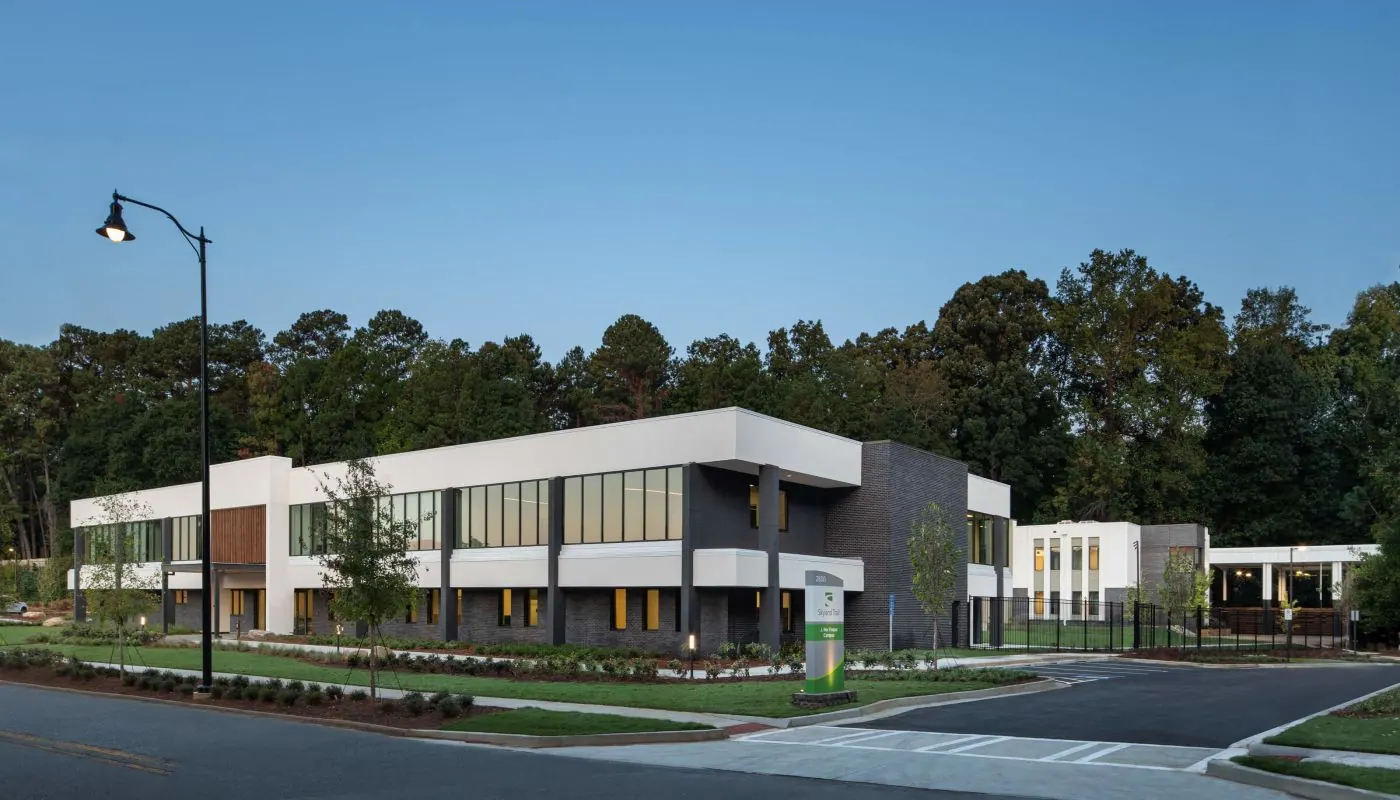
Skyland Trail J. Rex Fuqua Campus
Atlanta, GA30 days · 16-30 beds
- Joint Commission
- Residential Rehab
- Co-Occurring Mental Health
At this Atlanta campus, teenagers between 14 and 17 receive residential care.
View center -

The Recovery Village South Atlanta
Stockbridge, GA30 days
- Joint Commission
- Co-Occurring Mental Health
- Detox
The Recovery Village South Atlanta Stockbridge is a Georgia treatment center.
View center -
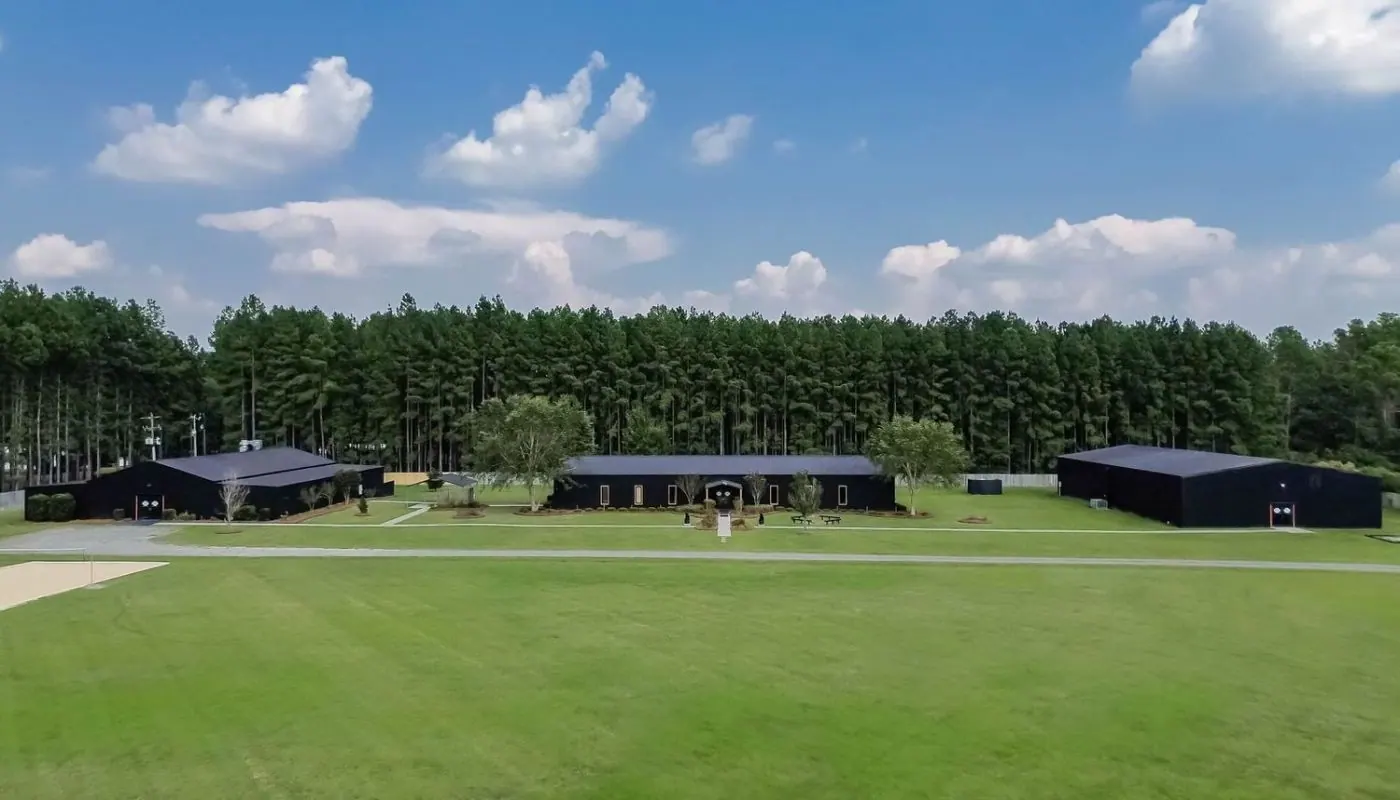
Green Acres Wellness
Alapaha, GA90 days
- Residential Rehab
- Co-Occurring Mental Health
- Detox
Green Acres Wellness Alapaha opened in 2023 as a residential program in South Georgia.
View center -
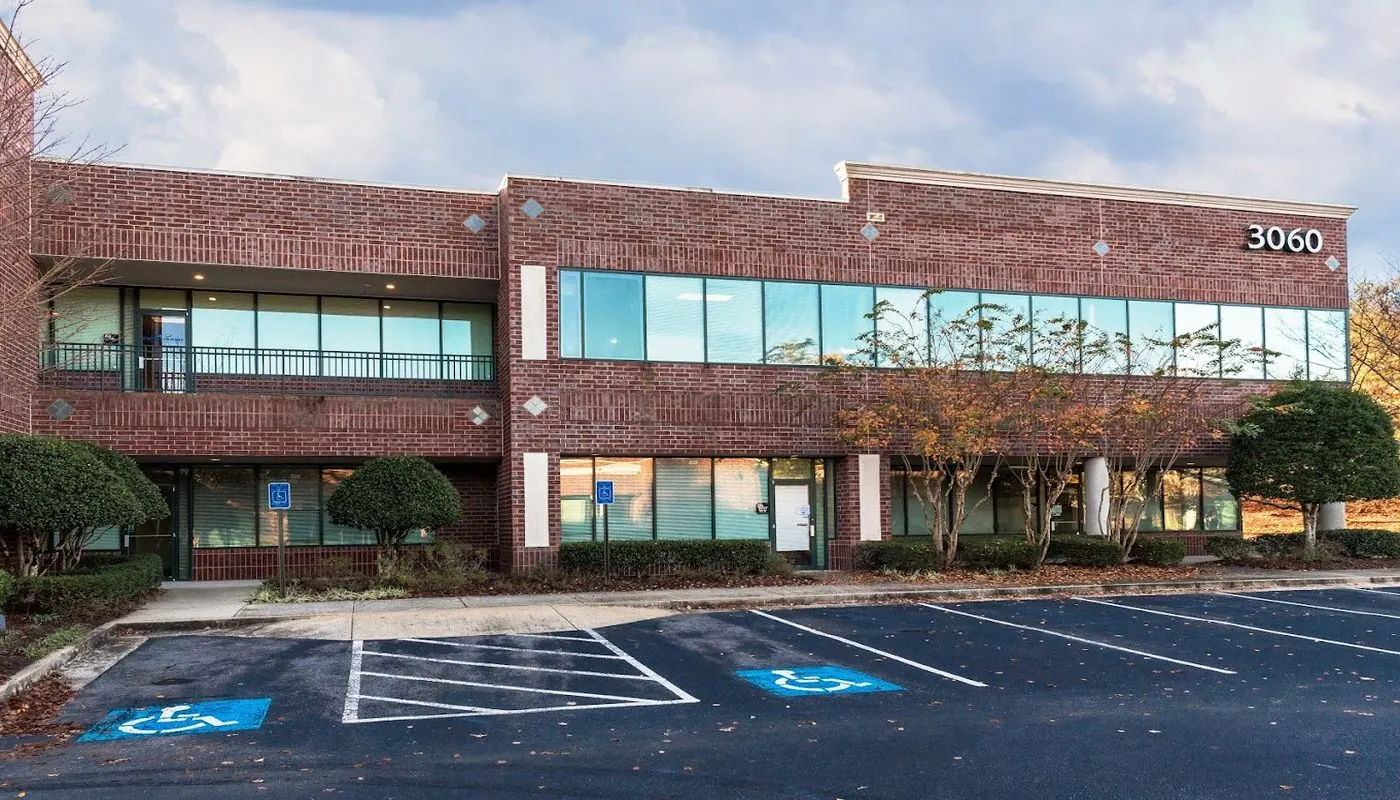
Focus Forward Counseling Alpharetta
Alpharetta, GA30 days · 2-5 beds
Focus Forward Counseling Alpharetta is an outpatient counseling practice located in Alpharetta, Georgia.
View center -
- Joint Commission
- Co-Occurring Mental Health
- Detox
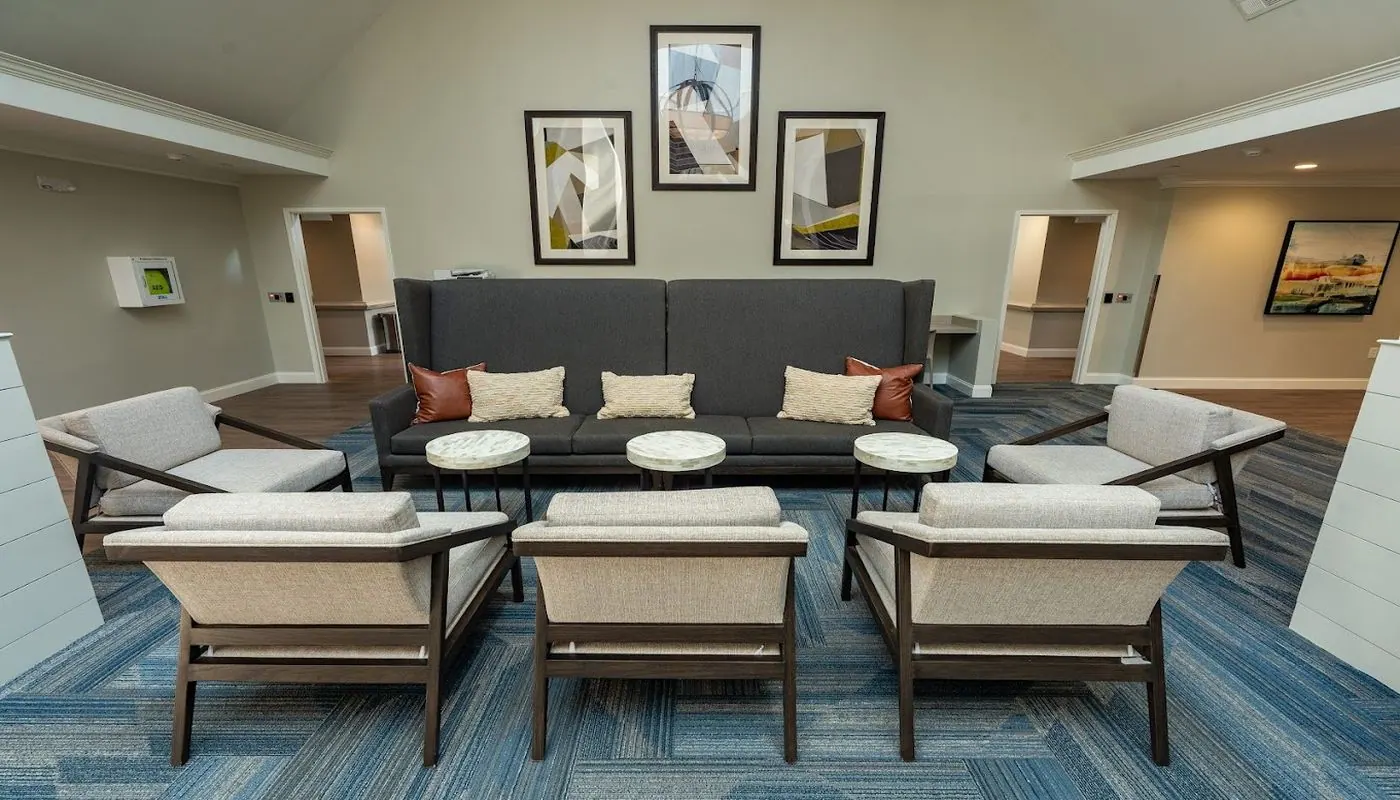
The Recovery Village Atlanta Roswell sits on Pointe Place in Roswell, Georgia.
View center -
Ellie Mental Health Columbus
Columbus, GA90 days
- Outpatient
Ellie Mental Health Columbus is an outpatient counseling practice in Columbus, Georgia.
View center
Good to know
Is HealthQwest Canton site c canton an inpatient or outpatient program?
It is an outpatient program with mental health needs alongside substance use, so people attend scheduled sessions and stay at home. A typical program length is 30 days. That makes it a fit for someone who has a stable place to live and can get to Canton for appointments. If withdrawal is a concern, ask about medical support first.
Does Georgia Medicaid pay for rehab at this Canton center?
Coverage depends on your specific plan, so the answer has to come from a benefits check rather than a general rule. Georgia Medicaid is one option worth asking about when you call the helpline, and advisors can contact the center with you to confirm what it accepts. If you are comparing rehab centers in Georgia, then verifying coverage before scheduling saves time and surprises. Nothing is promised until that check is complete.
What therapies does the center offer for drug and alcohol treatment?
Therapy options include CBT, DBT, acceptance and commitment therapy, family therapy, group therapy, trauma-specific therapy, online therapy, life skills work, and individual counseling. The program calls its approach evidence-based and medical. Where trauma forms part of someone's history, a plan that treats it alongside substance use matters. Which therapies a given plan includes is decided by the assessment.
How long does treatment last and what if someone needs detox?
Programs often run 30 days, and the actual schedule is set by the team after an assessment. Outpatient treatment does not include detox. Coming off alcohol and benzodiazepines May become risky, so that phase needs clinical supervision, not willpower by itself. If someone has been drinking heavily or using benzodiazepines daily, arranging medical oversight before outpatient sessions begin is the safer order. The helpline can help you determine the right level of care.
What should families know before calling about this center?
Trained advisors on the helpline connect callers with licensed treatment providers, and the call is free. Asking questions does not book anything and obligates you to nothing. Families often ask about availability, insurance, and whether outpatient or inpatient care fits best. If you are calling for someone you love, having their insurance details nearby speeds up the benefits check considerably. The helpline answers at all hours.
Talk with the Georgia helpline
Advisors who are trained take helpline calls around the clock and connect callers with licensed treatment providers. The call costs nothing, your conversation remains private, and speaking with someone does not require you to enroll anywhere. If you call for a relative, go ahead and ask whether this Canton center has an opening, how insurance might apply, and whether outpatient services or a higher level of care fits the situation. Start by discussing it, then choose what to do.