Blue Ridge Therapeutic Wilderness Clayton
Blue Ridge Therapeutic Wilderness is a residential program located in Clayton, Georgia. Among the 264 treatment facilities listed for Georgia, it is one. On this page you will find what the center offers and how to inquire about it.
- Residential Rehab
- 30 days
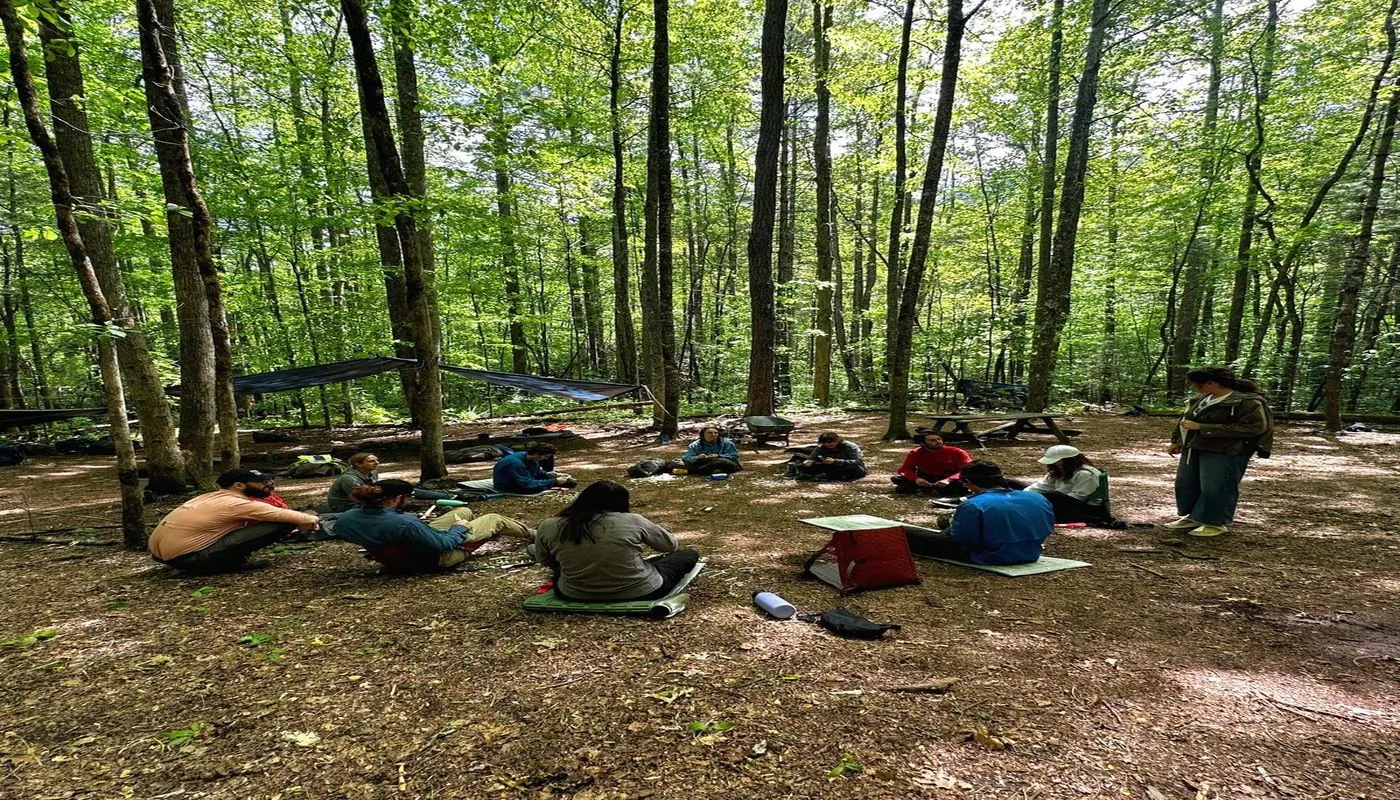
Blue Ridge Therapeutic Wilderness runs an immersion-style program set in the mountains near Clayton, with separate tracks for teenagers and for young adults. The center describes its work as individualized: each student is paired with a licensed primary therapist, and a clinical psychologist completes an assessment within the first two weeks to help shape the treatment plan.
Distraction is kept to a minimum here by design. Each day moves to a consistent rhythm blending therapy with time outdoors, schoolwork, and group sessions, and according to the center its team brings together primary therapists, family therapists, field instructors, a psychiatrist, and doctoral-level leaders. Families are included as participants in the process, not left on the sidelines.
This guide is an independent resource. We do not offer treatment or diagnose anyone. Trained advisors staff our helpline, able to explain choices across Georgia and connect callers with licensed providers; the call is free, leaves you under no commitment, and whatever you share stays private. We can help you frame the right questions for a center, though only the center can answer them.
Blue Ridge Therapeutic Wilderness
Residential rehab is the level of care the center lists, and a usual stay lasts roughly 30 days. Counseling one-on-one with a clinical psychologist, art therapy, and family therapy in Clayton, Georgia are among the therapies, together with group work, mindfulness practice, nutrition counseling, trauma-focused therapy, and instruction in life skills.
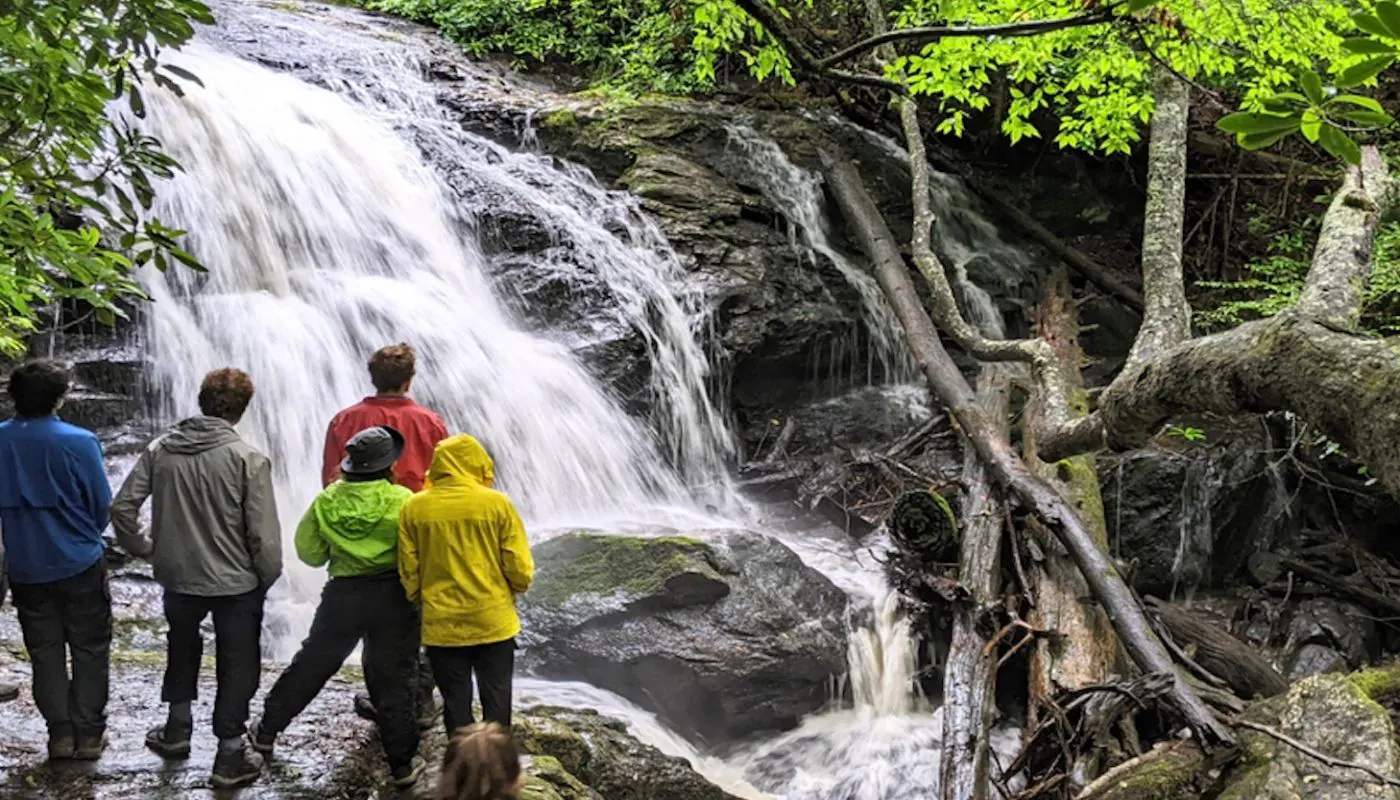
Approaches listed for the program include heavy family involvement, a holistic orientation, personalized treatment planning, and a wellness focus. Adventure outings, hiking, gardening, cooking classes, and waterfall trips round out the week for teens and young adults in this Georgia program. Adolescent students may be able to earn middle or high school credits through coursework such as wilderness science, leadership, and psychology, and the young adult track includes groups, workshops, and ceremonies. If your child needs psychiatric care during the stay, then ask how the on-site team coordinates with the consulting psychiatrist in Clayton, Georgia.
- Trauma-Specific Therapy
- Family Involvement
- Wellness
- Holistic
- Group Therapy
- Mindfulness Therapy
- Personalized Treatment
- 1-on-1 Counseling with Clinical Psychologist
- Family Therapy
- Meditation & Mindfulness
Who this program is built for in Clayton
- Teenagers, generally ages 13 to 18, struggling with depression, anxiety, school difficulties, or family tension
- Young adults in the Emerald Arrow track, generally ages 18 to 28, facing mental health or identity questions
- Students dealing with self-harm, grief and loss, personality disorders, or stress
- Individuals dealing with a substance use disorder and a mental health condition simultaneously
- Families who want to be actively involved in the treatment process
Setting, length of stay, languages
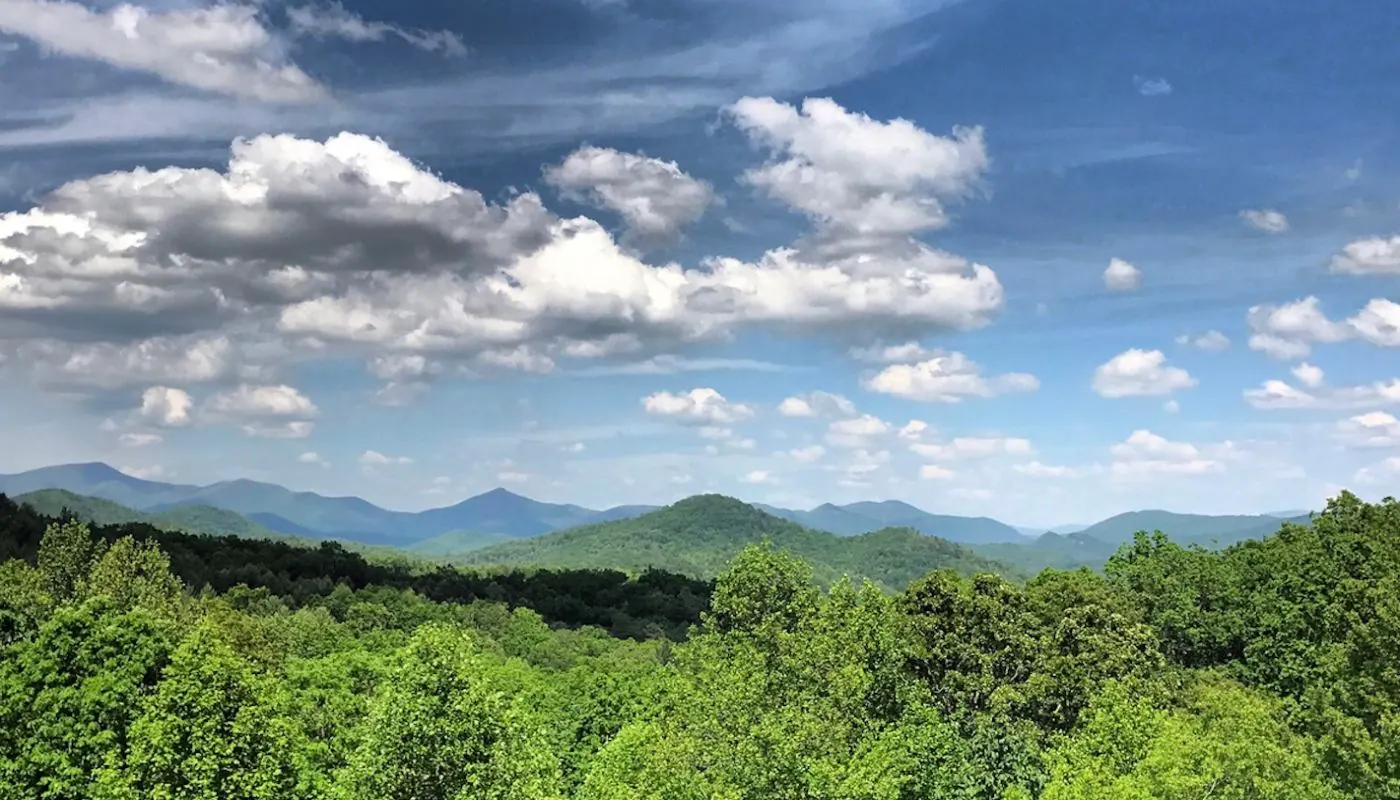
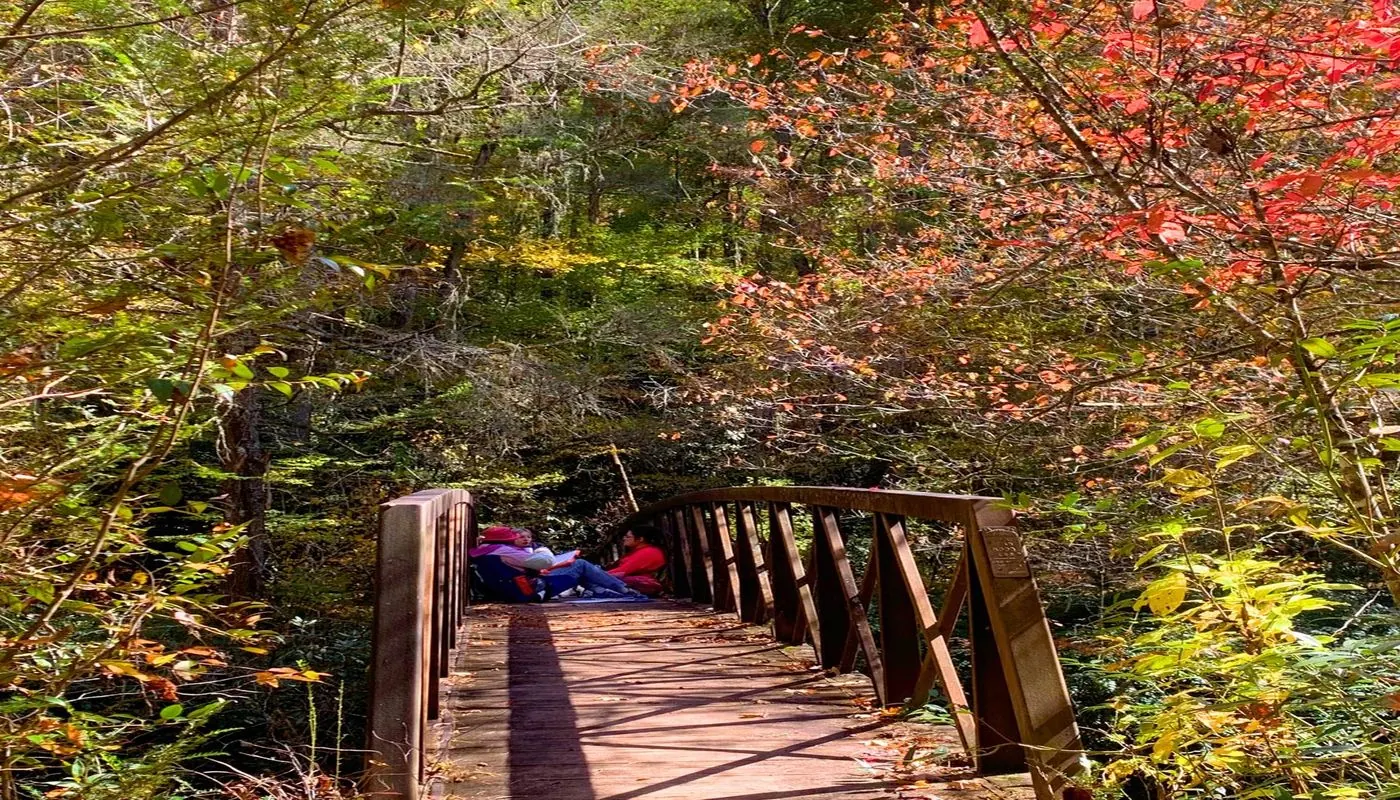
Most stays last around 30 days, and the Blue Ridge Mountains surround the campus, giving access to nature, open outdoor space, and walking trails. Activities the program lists include adventure outings, hiking, fitness, games, gardening, cooking classes, and trips to waterfalls. Services are offered in English. Since the daily schedule and the miles from home both affect families, before you commit to Clayton, Georgia, ask about visiting, phone contact, and whether the wilderness setting fits your child. If you live far from Clayton, then plan travel and family sessions ahead of time so logistics do not consume the 30 days.
Paying for treatment here in Clayton
We do not have this center's published prices, and this page cannot predict what your plan will pay. What we can tell you is that insurance companies vary widely in their coverage for residential care, and only the center can confirm whether it is in network for your plan. When you call, have your policy details ready and ask for a written estimate. At Blue Ridge Therapeutic Wilderness in Clayton, our helpline can help you check coverage and availability, and the call is free with nothing required of you. If residential rehab is not covered by your plan, then ask the center about paying privately and compare other licensed programs in Georgia.
Questions worth posing before admission
- Does this center take my child's insurance, and what would our share of the cost be once benefits are applied?
- How many students are in a group at once, and who supervises them overnight?
- What happens if my child needs medical or psychiatric care during the stay?
- How often will we speak with the primary therapist, and what family sessions are included?
- What does discharge planning look like, and what support exists after the 30 days end?
More centers worth a look
-
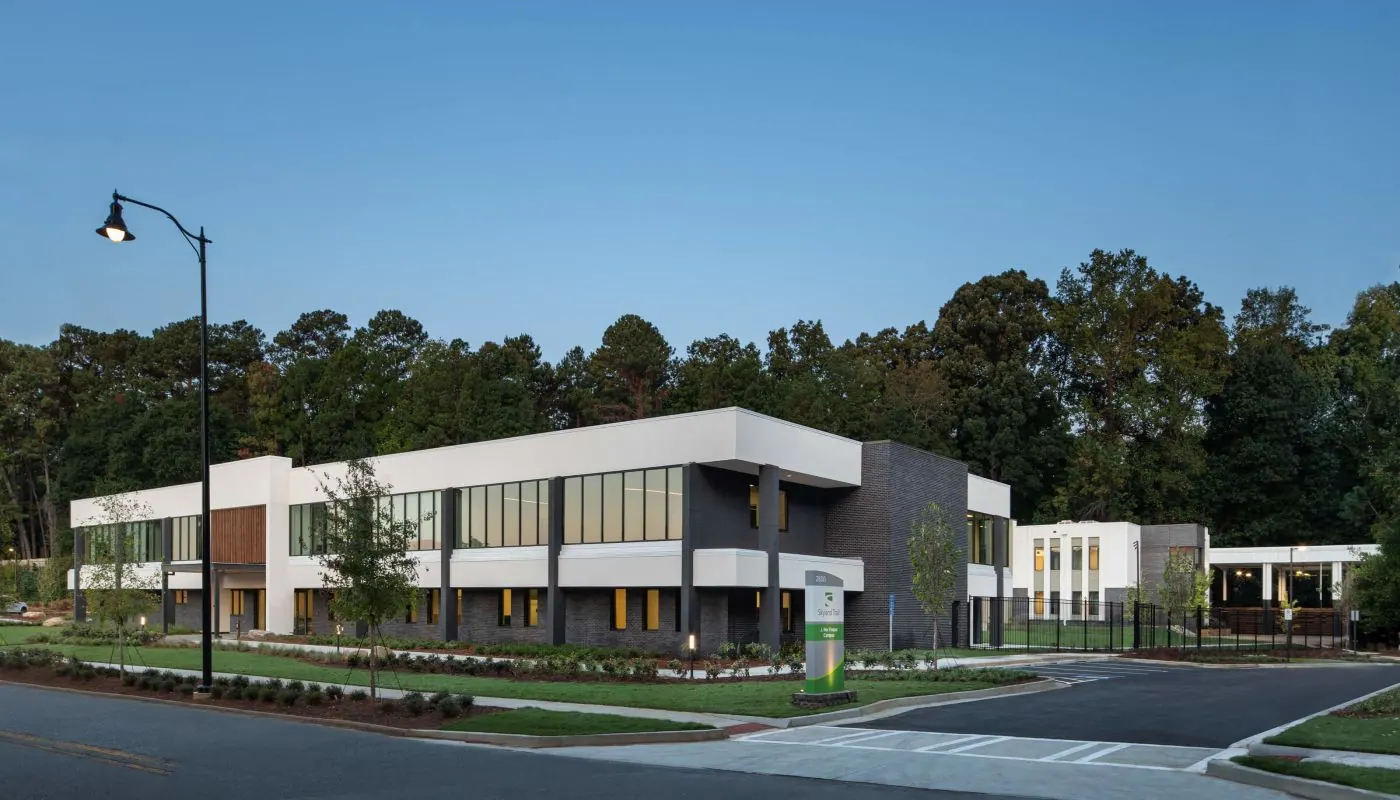
Skyland Trail J. Rex Fuqua Campus
Atlanta, GA30 days · 16-30 beds
- Joint Commission
- Residential Rehab
- Co-Occurring Mental Health
At this Atlanta campus, teenagers between 14 and 17 receive residential care.
View center -
The Recovery Village South Atlanta
Stockbridge, GA30 days
- Joint Commission
- Co-Occurring Mental Health
- Detox
The Recovery Village South Atlanta Stockbridge is a Georgia treatment center.
View center -
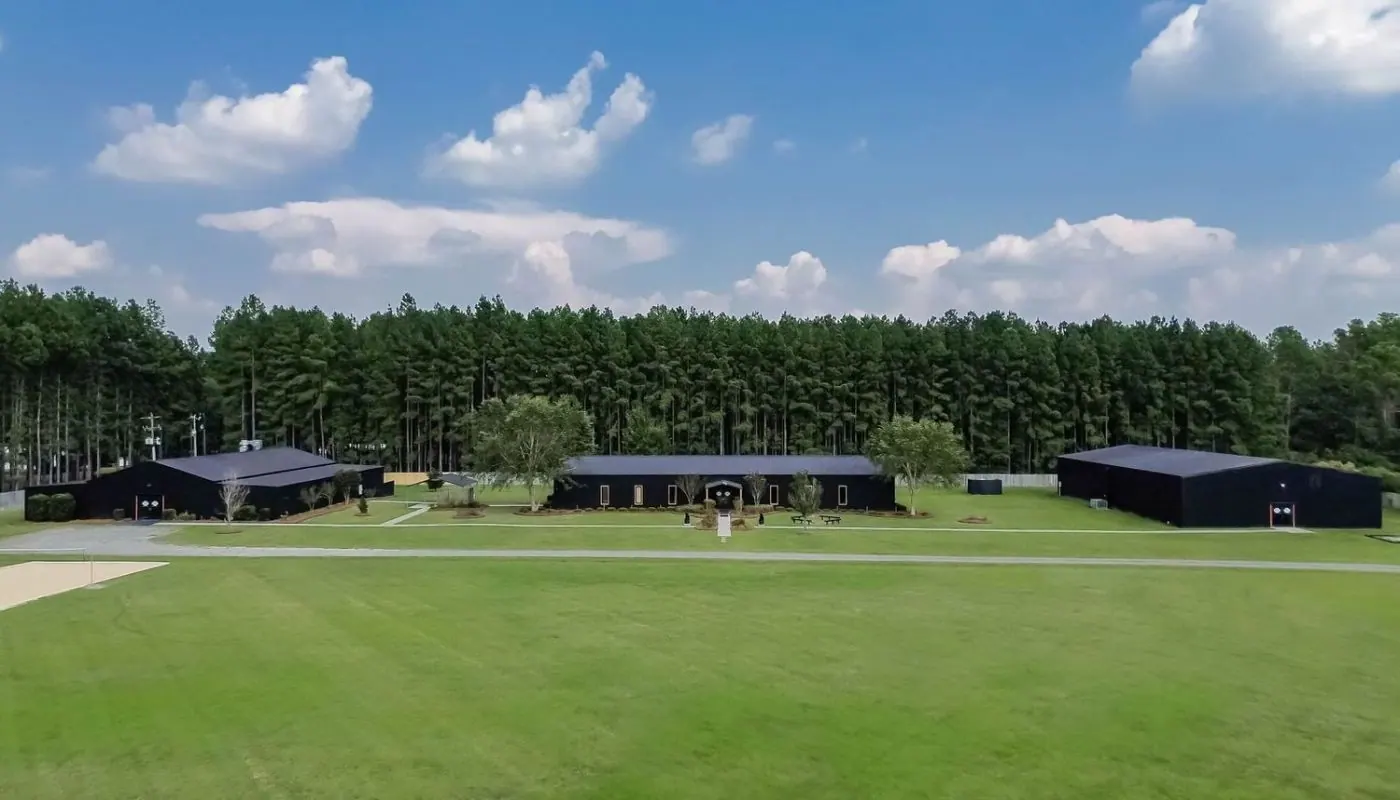
Green Acres Wellness
Alapaha, GA90 days
- Residential Rehab
- Co-Occurring Mental Health
- Detox
Green Acres Wellness Alapaha opened in 2023 as a residential program in South Georgia.
View center -
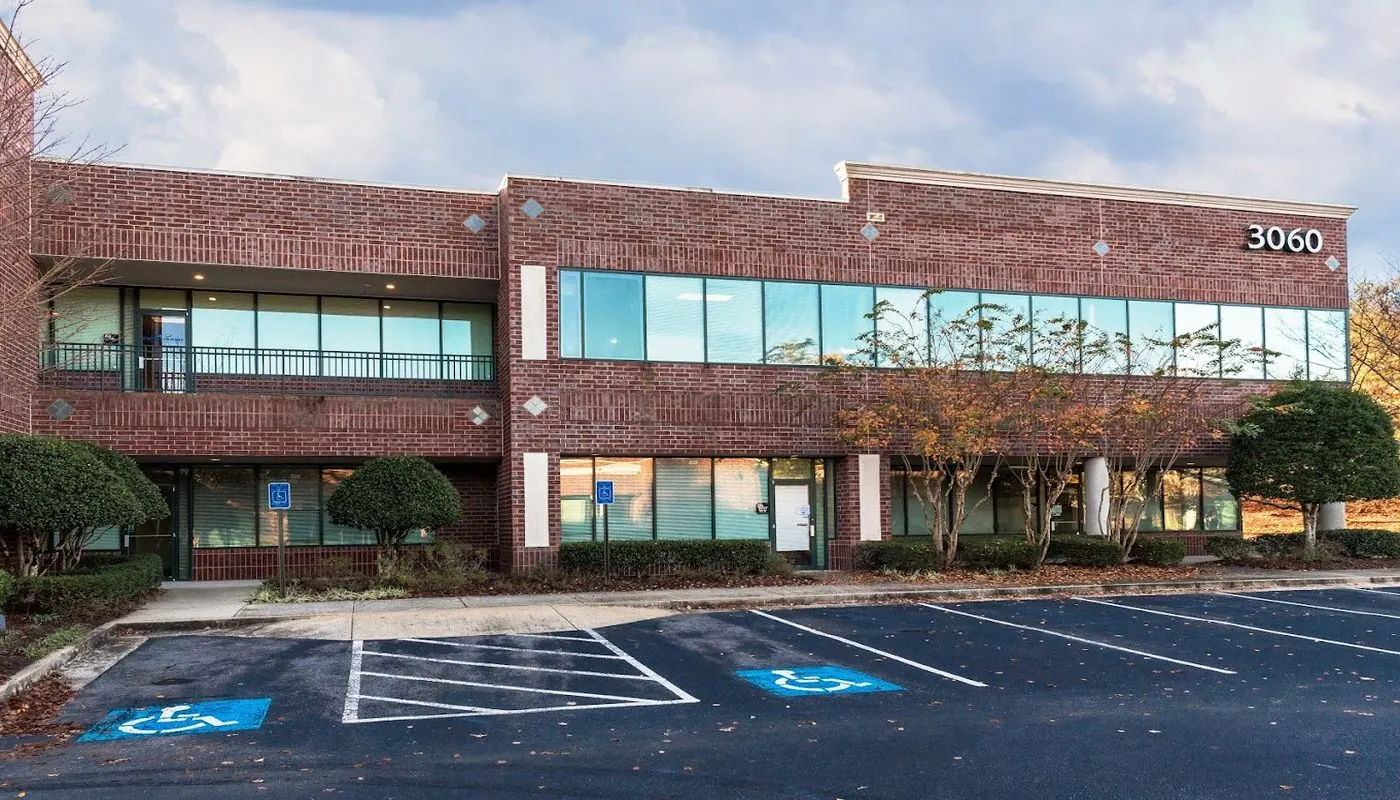
Focus Forward Counseling Alpharetta
Alpharetta, GA30 days · 2-5 beds
Focus Forward Counseling Alpharetta is an outpatient counseling practice located in Alpharetta, Georgia.
View center -
- Joint Commission
- Co-Occurring Mental Health
- Detox
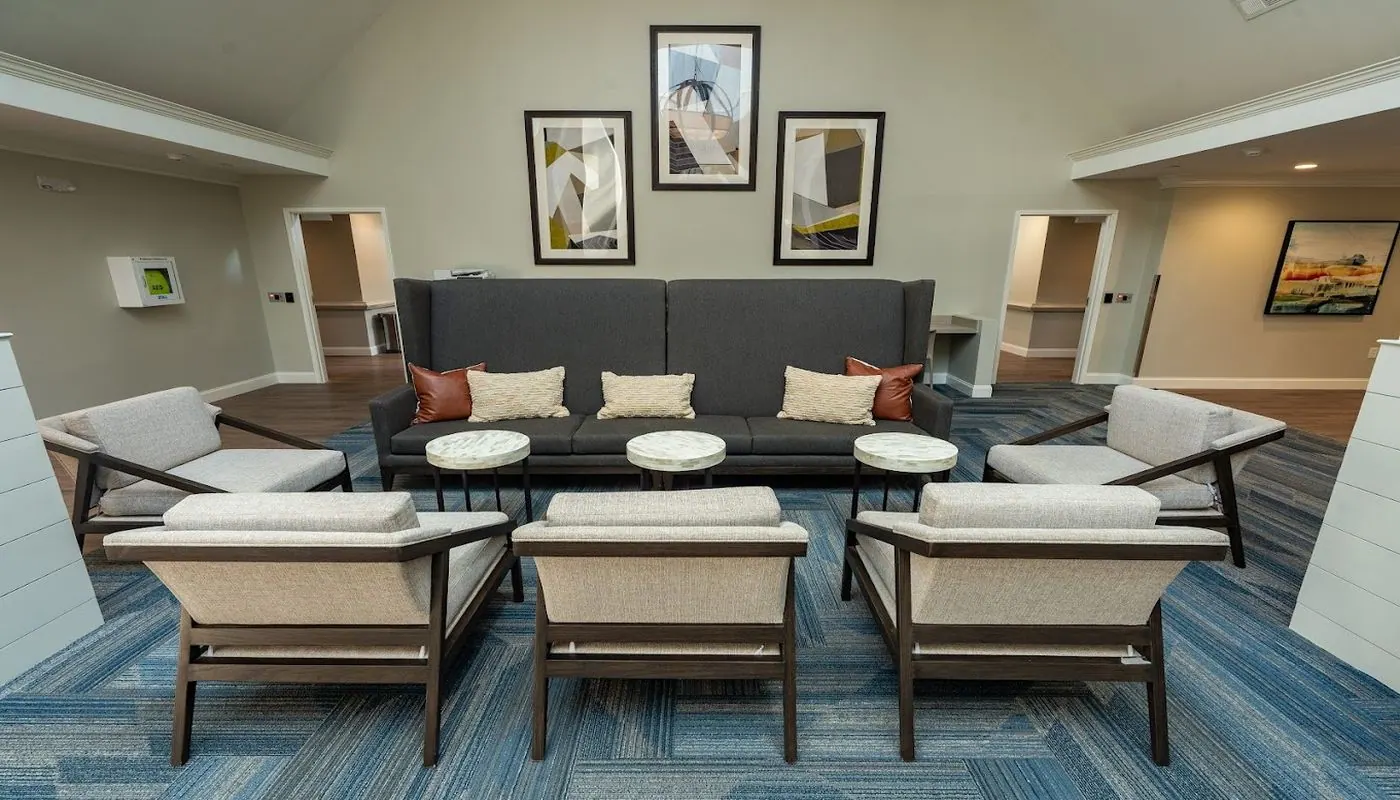
The Recovery Village Atlanta Roswell sits on Pointe Place in Roswell, Georgia.
View center -
Ellie Mental Health Columbus
Columbus, GA90 days
- Outpatient
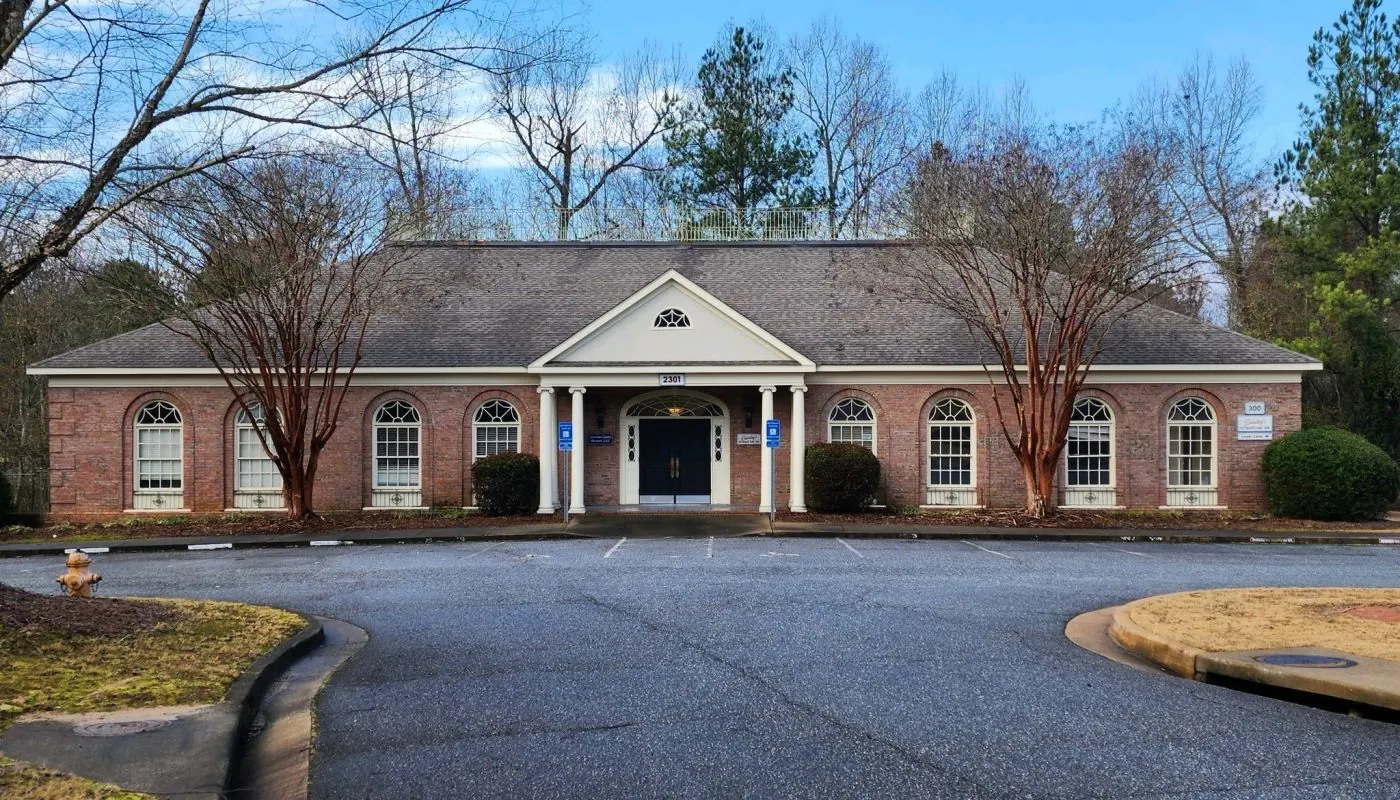
Ellie Mental Health Columbus is an outpatient counseling practice in Columbus, Georgia.
View center
Good to know
What is Blue Ridge Therapeutic Wilderness in Clayton, Georgia?
This is a residential wilderness therapy program in Clayton, Georgia, one of 264 treatment facilities in the state as listed on SAMHSA FindTreatment.gov. Separate tracks for adolescents and young adults are offered, and the center lists a usual program length of roughly 30 days. Its listed care options do not indicate a medical detox facility, so families should ask the center directly about withdrawal needs. You can call our helpline at no cost to check availability and coverage.
Does Georgia Medicaid pay for inpatient rehab?
Coverage hinges on your specific plan and the level of treatment, so confirm the details with the center or with the state Medicaid program. Georgia Medicaid covers some behavioral health services, but residential wilderness programs are often paid for privately. Before you apply, ask the center if it accepts Medicaid, and let our helpline help you explore other options in Georgia. If Medicaid is your only coverage, then ask about other licensed programs that take it.
How long do people commonly stay at this center?
The stated typical length of a program is 30 days, though individual plans can differ. A clinical psychologist completes an assessment in the first two weeks that shapes the treatment plan, which means information gathering is part of the early stay. Ask how the length of stay is decided and whether extensions are common. If your child needs more time, ask how the center coordinates with your insurance for the extra days.
What should I ask about insurance before my child is admitted?
Find out if the center participates in your insurance network, what the residential benefit includes, and how much you would pay yourself. Ask them to put the reply in writing. If you cannot tell what is covered, our helpline can connect you to an advisor who will look into other licensed providers in Georgia for you at no cost; nothing is required and your privacy is fully protected. If your plan turns down coverage, then ask about how to appeal and about other licensed programs in Georgia.
What are the current drug problems in Georgia?
Georgia, like many states, faces challenges with opioid and methamphetamine use, and alcohol remains widely involved in treatment admissions. The state lists 264 treatment facilities on SAMHSA FindTreatment.gov, which gives families a starting point for comparing options. For specific local data, the Georgia Department of Public Health publishes current reports. If you are concerned about a loved one's substance use, then call our helpline for guidance on next steps.
Talk through this program in Clayton
If you are considering this center for your child or for yourself, the next thing to do is make a phone call, and it does not have to feel pressured. Our advisors are available at all hours and can walk you through how residential programs in Georgia operate, help you find out whether a center accepts your insurance, and link you with licensed providers. The conversation is private and costs nothing, and it commits you to no program. We do not diagnose or admit anyone; we help you identify the right questions and the right people to ask.