The Emily Program Atlanta Dunwoody
The Emily Program Atlanta Dunwoody is an outpatient practice for eating disorders in Georgia. Among the 264 One of the SAMHSA listed facilities in the state it is. What the center offers families is explained on this page.
- Outpatient
- 90 Days

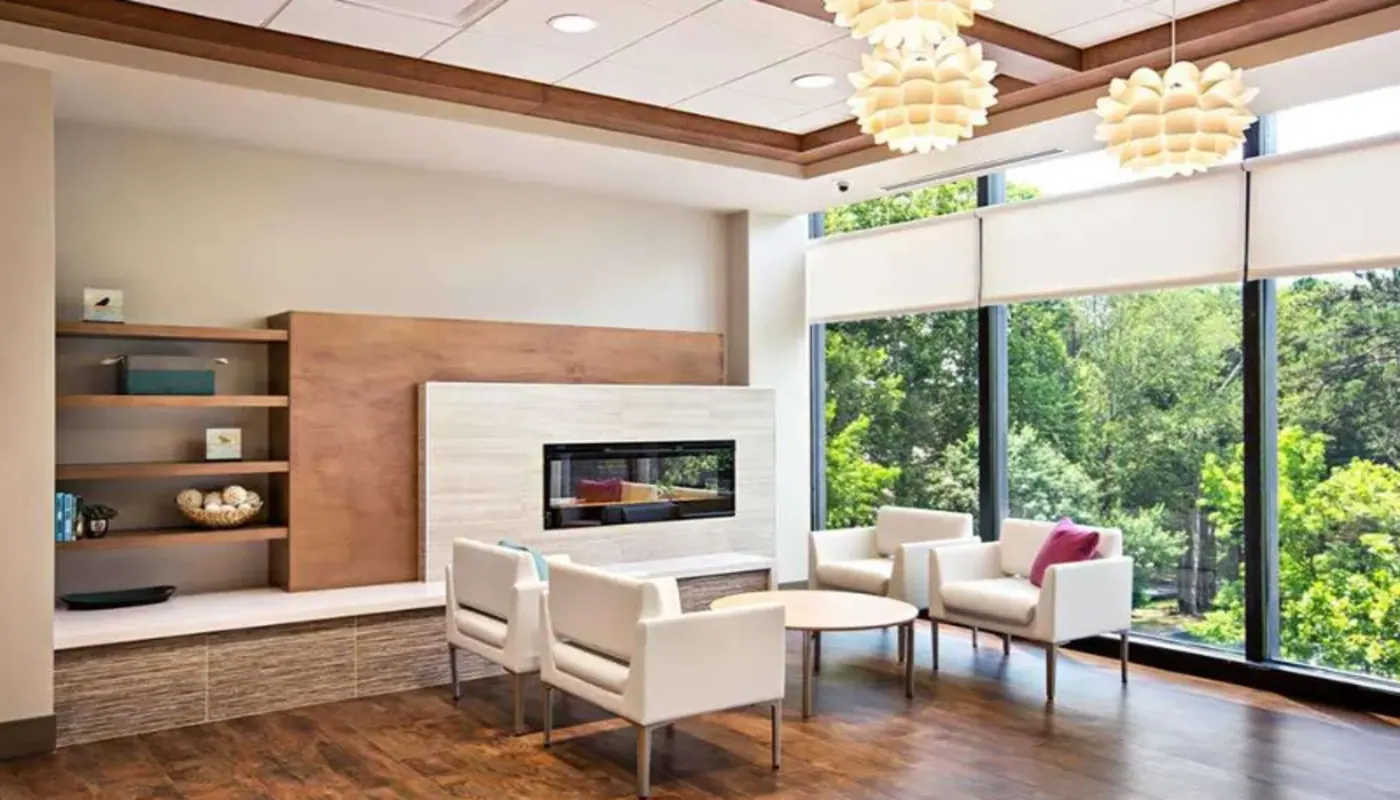

The Emily Program Atlanta sits in Dunwoody, a short drive north of the city, and concentrates entirely on eating disorders rather than general substance use care. Its clinicians assess each person at the start, then recommend the level of care that fits what the assessment shows. Care is delivered in person at the Perimeter Center East office, and virtual options are described for many of the program's locations.
Care comes from a group of professionals rather than one counselor working alone. Dietitians, therapists and medical clinicians each focus on a distinct piece of an illness that has many layers, and they share observations as treatment proceeds. Rather than leaving relatives on the outside, the program brings them into the work, since the home environment is often where change is hardest to sustain. Young patients in school continue their studies with help from academic coordinators.
The center describes itself as meeting people where they are. That can mean a first conversation with a worried parent, a referral from a pediatrician, or a return to care after a gap. There is no single entry point, and the team sets the pace with the person and family in the room.
The Emily Program Atlanta Dunwoody
At the Dunwoody location, the listing describes an outpatient program, which means people attend scheduled appointments rather than staying overnight. If you are weighing Georgia rehab centers, knowing this location offers only outpatient care helps you plan around school or work. Group and individual sessions are the core, and cognitive behavioral therapy and dialectical behavior therapy help people recognize patterns related to food and body image. When a family member calls the helpline, an advisor can explain how outpatient scheduling works at this center. Family therapy and psychoeducation involve parents and partners in the same discussion.
Meals are part of the clinical work rather than an afterthought, and sessions can include art therapy, yoga and other expressive approaches alongside talk therapy. The program lists itself as evidence-based, individually focused and non 12 Step, with family involvement written into the model. As you look at rehab programs in Georgia, then note that this center builds family therapy into every level it offers. Nutrition counseling and skills practice round out the week for most patients.
- 1-on-1 Counseling
- Dialectical Behavior Therapy
- Family Therapy
- Family Involvement
- Individual Treatment
- Cognitive Behavioral Therapy
- Evidence-Based
- Group Therapy
- Art Therapy
- Psychoeducation
People this program is meant to serve
- Children and adolescents who need eating disorder treatment with school support
- Teenage boys and girls, treated in age-appropriate groups
- Adult men and women of all genders
- People who have a mental health condition occurring alongside the eating disorder
- Families who would rather take part in the care plan than watch from the sidelines
Setting, how long, and languages spoken
Care usually lasts around 90 days, and the center reports room for 16 to 30 beds. Rooms have air conditioning and May be private or shared, and internet access is available. The amenities are simple and functional rather than resort-style. Yoga appears among the listed activities. Services are provided in English, so families who need another language should ask about interpreter support before they schedule.
Paying for care at the Dunwoody location
Cash pay rates are shown in this center's listing, so certain families choose to pay out of pocket rather than involving an insurer. If a particular insurance policy will cover eating disorder care, that hinges on the plan itself and on the level of care, so the sensible move is to phone and have those details verified before an appointment is scheduled. Someone answers the helpline around the clock, using it costs nothing, whatever you share stays private and you do not have to do anything afterward. An advisor can walk you through the right coverage questions to ask and help you weigh the choices.
Ask this center these questions
- Which level of care does your assessment point to for our situation, and why
- Do you bill our insurance plan directly, and what would we owe if we pay ourselves
- How often are dietitian and medical visits scheduled during a typical week
- What does family involvement look like in practice, and how often do we meet
- How is schoolwork handled for a patient who is still enrolled

More centers around Dunwoody
-
- Joint Commission
- Residential Rehab
- Co-Occurring Mental Health
- Detox
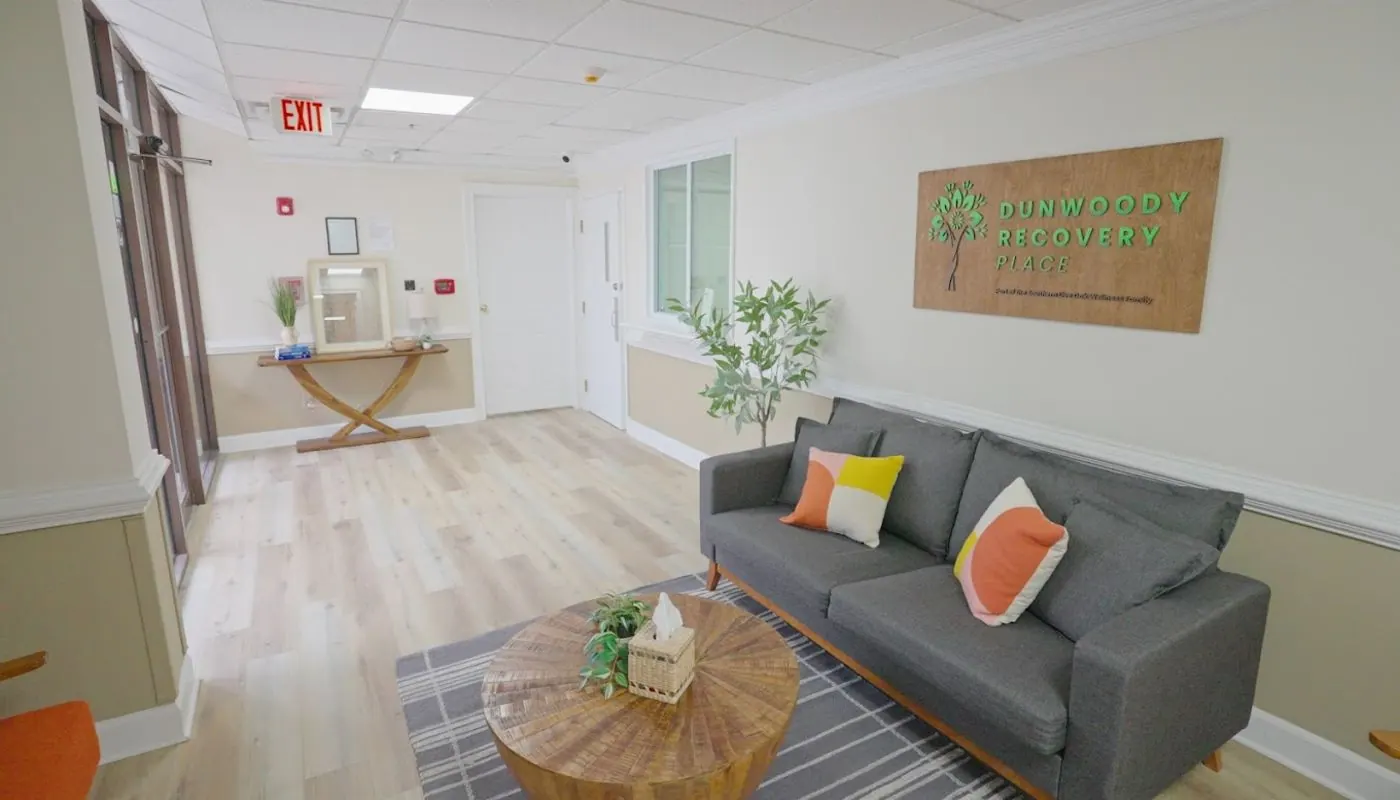
A family member checking Dunwoody Recovery Place Dunwoody will find a Joint Commission-accredited center for detox and residential care.
View center -
Gather Behavioral Health Atlanta
Dunwoody, GA30 days
- Outpatient
- Co-Occurring Mental Health
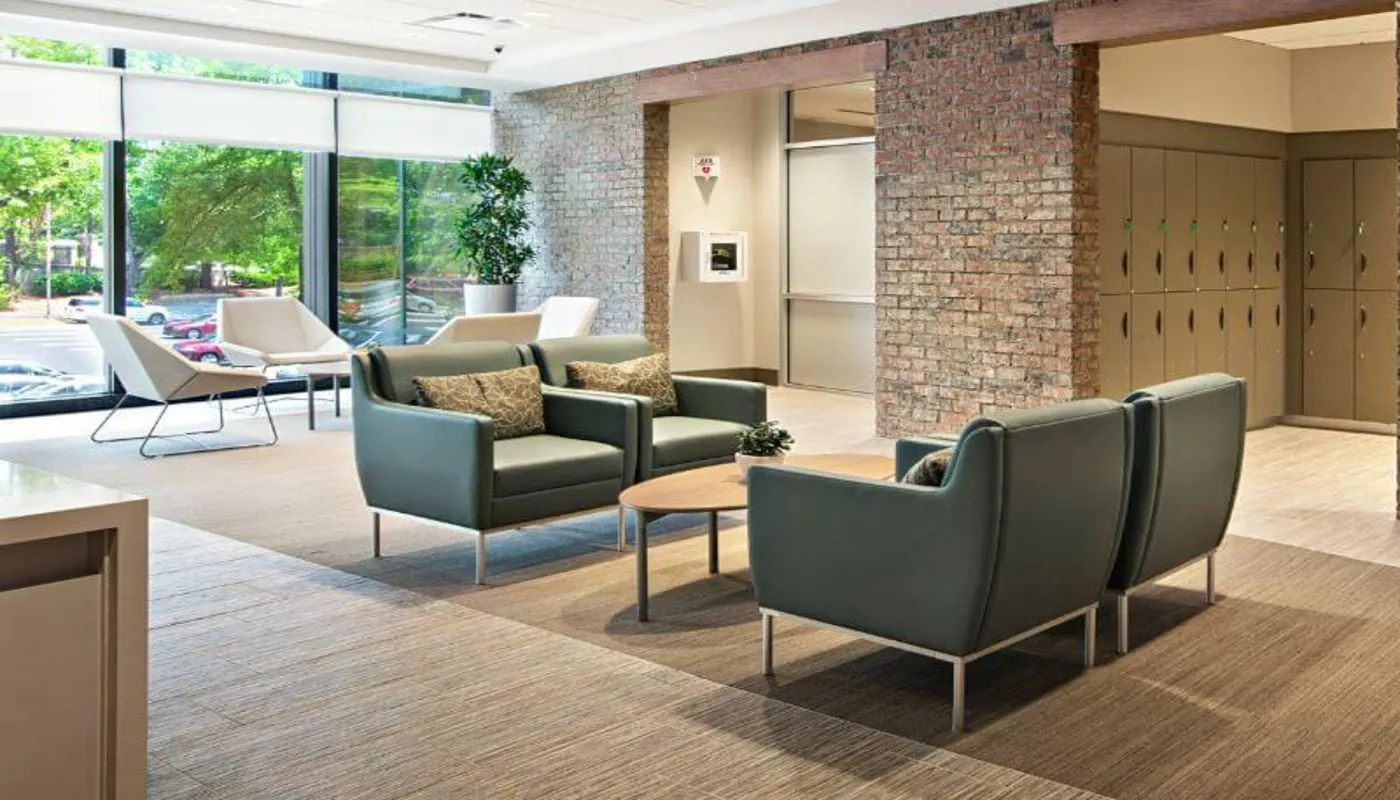
Gather Behavioral Health Atlanta Dunwoody delivers outpatient care in Georgia.
View center -

- Joint Commission
- Outpatient
- Co-Occurring Mental Health
Atlanta Recovery Place Dunwoody provides outpatient care for adults with substance use and co-occurring conditions.
View center -

- Joint Commission
- Outpatient
- Co-Occurring Mental Health
Located on Mount Vernon Road close to Atlanta, Southern Live Oak Wellness Dunwoody has 6-15 beds and began in 2019 as an outpatient program in Georgia.
View center


Good to know
Is The Emily Program Atlanta Dunwoody an inpatient rehab?
No. The Dunwoody location appears as an outpatient program, which means appointments at set times rather than staying overnight. The parent organization describes a complete range of care at its other sites, but families in Georgia ought to confirm what levels are actually available close to home. When someone requires medical stabilization at all hours, ask about referral possibilities. The helpline can help you sort out what suits the situation.
What does The Emily Program Atlanta Dunwoody treat?
The center specializes in eating disorders, with co-occurring conditions addressed alongside them. It serves children, adolescents and adults, including boys and girls, men and women. Treatment blends individual counseling, group work, family therapy and nutritional support. It is not a general drug or alcohol rehab, so a family looking for substance use treatment should ask the helpline about other options in Georgia.
How long does treatment usually last?
A typical program length is around 90 days, though the assessment drives the actual plan and some people stay longer or step down sooner. Outpatient care is often scheduled around school or work, so the calendar matters as much as the clinical picture. Ask at the first call how many visits a week the recommended level involves. Coverage for that schedule varies by plan.
Does Georgia Medicaid pay for eating disorder treatment here?
Cash pay rates are listed on the center s listing, but Medicaid acceptance is not stated anywhere, so verify by phone instead of assuming. In Georgia, Medicaid coverage for eating disorder care hinges on the particular service and on the eligibility category. When a plan won't cover a program, ask about other options and about the cost of self-pay. At no charge, an advisor can go through those questions alongside you.
What are the usual reasons people seek rehab for eating disorders?
People often seek care when eating patterns and body concerns start affecting health, school or relationships. This center's assessment helps determine the right level of care, from outpatient sessions to more structured programs at other locations. The helpline can help you understand whether an evaluation here makes sense for your situation.
Does The Emily Program Atlanta Dunwoody accept insurance?
The listing for this center shows cash pay rates and doesn't state whether insurance is accepted. What eating disorder treatment costs you under insurance hinges on your plan and on the recommended level of care. If you'd like to learn whether your policy applies, if you call the helpline an advisor can assist you find out. There is no cost for the call and no commitment attached.
Checking availability with the helpline
Maybe you're calling about a son, a daughter, a partner, or yourself. Either way, it all starts with a simple conversation. Trained advisors at the helpline link people to licensed treatment providers, and someone is there every hour, day or night. The call is free, your words remain private, and nothing is expected of you after you hang up. Advisors can check whether the Dunwoody outpatient schedule has openings, ask how coverage would apply, and look at other programs in Georgia if this one doesn't fit.